
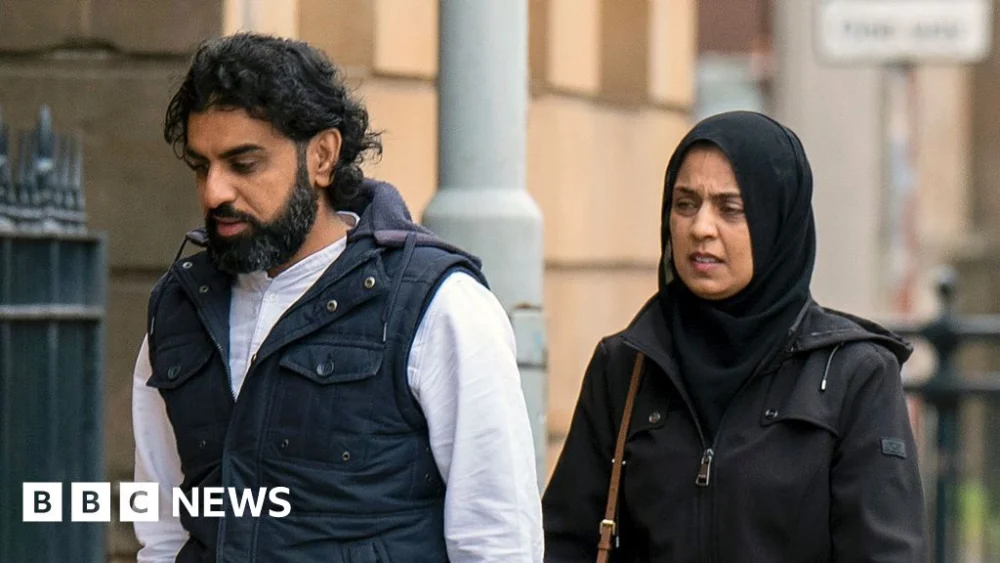
"The Medical Practitioners Tribunal Service has delivered a stark message about accountability and integrity, ruling that Dr. Attiya Sheikh’s actions of selling stolen PPE during the unprecedented Covid-19 pandemic fundamentally betrayed public trust and professional standards."
This decisive ruling underscores the critical importance of ethical conduct within the medical profession, particularly during times of national crisis. Dr. Sheikh’s expulsion from the medical register follows her conviction for making nearly £8,000 from the illicit sale of vital personal protective equipment at a time when frontline healthcare workers faced severe shortages, a betrayal deemed incompatible with the core principles of medical practice. The tribunal’s verdict highlights a profound departure from the fundamental responsibilities expected of a medical professional, emphasizing the need to protect public health, maintain confidence in the profession, and uphold rigorous professional standards.
The unprecedented global health crisis of 2020 cast a long shadow over healthcare systems worldwide, none more so than the National Health Service (NHS) in the United Kingdom. As the novel coronavirus, COVID-19, rapidly spread, healthcare providers found themselves on the frontline of an invisible war, battling a highly contagious and often deadly disease. A critical weapon in this fight was Personal Protective Equipment (PPE) – items like face masks, gloves, and sanitizing wipes – essential for safeguarding both medical staff and patients from infection. The demand for PPE skyrocketed, leading to severe global supply chain disruptions and critical shortages across the UK, forcing many healthcare workers to improvise or, in some dire instances, work without adequate protection. It was against this backdrop of national emergency and acute vulnerability that Dr. Attiya Sheikh, a 46-year-old NHS doctor, and her husband, Omer Sheikh, 48, engaged in a scheme to profit from the crisis by selling stolen PPE online.
Their illicit enterprise, conducted through eBay, generated nearly £8,000 from May to October 2020, a period when the virus was rampaging across the UK, and the NHS was desperately scrambling to secure essential supplies. The couple’s actions represented not merely a commercial transaction, but a profound ethical breach and a direct affront to the collective efforts to combat the pandemic.
The gravity of Dr. Sheikh’s conduct was meticulously examined by the Medical Practitioners Tribunal Service (MPTS) during a two-day hearing earlier this week. The MPTS, an independent body that makes decisions about a doctor’s fitness to practise medicine, ruled unequivocally that Dr. Sheikh’s fitness to practise was impaired and that she should be struck off the medical register. This decision means she is permanently prohibited from working in any role requiring registration with the General Medical Council, effectively ending her medical career.
The tribunal’s findings were damning, characterizing Dr. Sheikh’s actions as having "seriously departed from the fundamental tenets of the profession." These tenets typically include acting with integrity, prioritizing patient safety, maintaining public trust, and adhering to professional standards. By selling stolen vital equipment during a national health emergency, Dr. Sheikh was found to have demonstrated a "reckless disregard for patient safety and professional standards." This phrase encapsulates the core of the ethical failure: her choices not only benefited her financially but also potentially diverted critical resources from those who needed them most, implicitly endangering both healthcare workers and the public.
A particularly concerning aspect highlighted by the tribunal was Dr. Sheikh’s perceived lack of genuine remorse or insight into the severity of her misconduct. The tribunal outcome stated that her reflections on her actions "appeared to lack depth" and that it required "probing questions" for her to demonstrate any significant regret. This lack of genuine insight into the ethical and professional implications of her behaviour likely played a crucial role in the tribunal’s decision, suggesting an absence of the self-correction and understanding necessary for a medical professional.
The MPTS concluded that Dr. Sheikh posed a "high, current and ongoing risk to all three limbs of public protection." These three limbs are fundamental to the MPTS’s mandate: protecting the health and safety of the public, maintaining public confidence in the medical profession, and upholding proper professional standards. The tribunal deemed her behaviour to be "fundamentally incompatible with her continued registration as a doctor," asserting that her personal interests were far outweighed by the imperative to safeguard the public and preserve the integrity and reputation of the medical profession as a whole. The ruling is set to take effect once the statutory period for appeals has concluded, solidifying her permanent removal from practice.
The scheme unravelled when Fannin, a legitimate supplier to NHS Scotland, identified its products being offered for sale on the online auction platform, eBay. This discovery triggered an investigation by NHS Scotland Counter Fraud Services, which meticulously traced the origins of the illicit sales. The investigation swiftly identified four distinct eBay accounts selling essential items such as gloves and wipes, all ultimately linked to Dr. Attiya Sheikh and her husband.
The culmination of the investigation came in October 2020 with a search of the couple’s residence in Thornliebank, Glasgow. During the search, Omer Sheikh was present and, when confronted, directed investigators to the attic. There, authorities made a significant discovery: 121 boxes of rubber gloves, alongside a box of face masks. The couple had been selling these vital supplies online at prices ranging from £15 to £20 per box, capitalizing on the desperate market created by the pandemic. The scale and duration of their operation, from May to October, indicated a systematic rather than an opportunistic endeavour.
During the MPTS hearing, Dr. Sheikh attempted to present a defence, claiming she had been advised by her legal team to enter a guilty plea. She asserted that she had been unaware the goods were stolen when she acquired them for resale, stating that "the person who supplied them had told her that this was what she should do." More astonishingly, she also claimed to have been unaware of the critical shortage of PPE across the country at the time – a claim that the tribunal found highly implausible for an NHS doctor practicing during the peak of the pandemic. Her attempt to portray her actions as a "one-off mistake" was emphatically rejected by the tribunal, which underscored the six-month duration of the sales as clear evidence to the contrary. While her lawyer at the trial stated she took full responsibility, this sentiment appeared not to translate into sufficient insight during the MPTS hearing.
The case of Dr. Attiya Sheikh serves as a stark reminder of the profound ethical obligations incumbent upon medical professionals, especially during times of national crisis. Doctors are granted immense public trust, and their actions are held to the highest standards of integrity and compassion. To exploit a public health emergency for personal financial gain, particularly by dealing in stolen essential medical supplies, represents a fundamental betrayal of that trust. It not only undermines the credibility of the individual doctor but also risks eroding public confidence in the entire medical profession and the institutions designed to protect public health. The MPTS’s decision to strike Dr. Sheikh off the register sends an unequivocal message: such egregious breaches of professional conduct, particularly those that jeopardize public safety and exploit national vulnerability, will not be tolerated. It reaffirms the unwavering commitment of the regulatory body to uphold the highest standards of medical practice, ensuring that the reputation of the profession remains unsullied and that public trust, once betrayed, can begin to be restored.
