
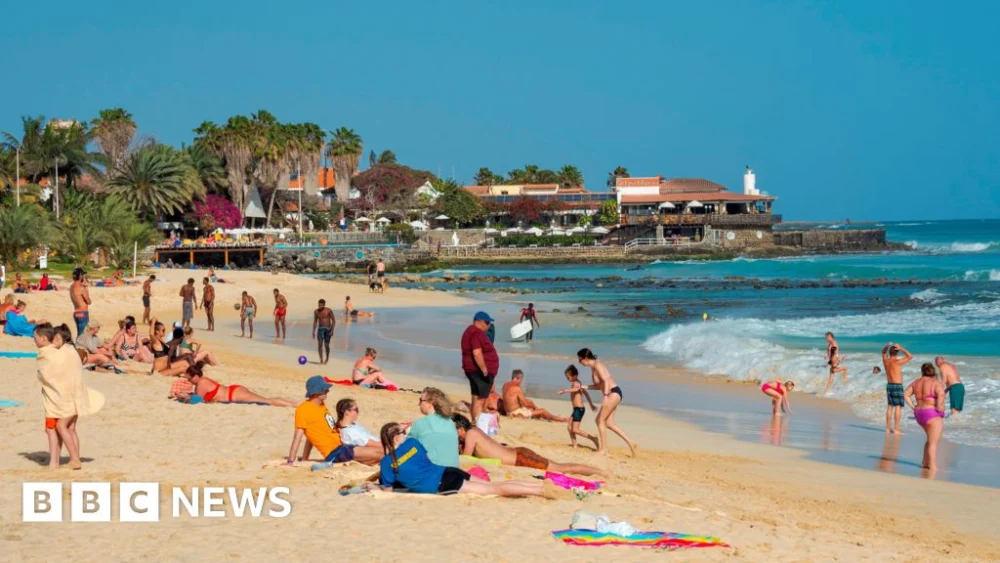
"British holidaymakers are urged to exercise extreme caution when traveling to Cape Verde, as the UK Health Security Agency reports over 160 cases of shigella and salmonella, alongside four tragic deaths, underscoring the critical importance of stringent hygiene practices to prevent serious illness."
This urgent advisory from the UK Health Security Agency (UKHSA) highlights a significant public health concern for British tourists visiting the popular West African archipelago of Cape Verde. With 118 confirmed cases of shigella and 43 of salmonella identified since early October, and a tragic association with four British fatalities, the warning emphasizes the severe health risks posed by these bacterial infections. Coming just before the busy February half-term holiday period, the agency’s guidance is critical for informing prospective travelers and mitigating further spread of gastrointestinal illnesses in this popular winter sun destination.
Cape Verde, renowned for its year-round sunshine, pristine beaches, and vibrant culture, has become an increasingly popular destination for British holidaymakers seeking a warm escape, particularly during the European winter months. However, the recent surge in reported stomach bug cases has cast a shadow over its allure, prompting the UKHSA to issue a stark warning to travelers. Since October 1st, the agency has meticulously tracked 118 instances of shigella and 43 of salmonella, all linked to individuals who have recently visited the archipelago. Tragically, these outbreaks have been associated with four British fatalities, all occurring within months of the individuals contracting stomach bugs while on holiday in Cape Verde.
The two primary culprits identified, shigella and salmonella, are both bacterial infections that primarily target the gastrointestinal tract. While many individuals infected with these bacteria experience symptoms that resolve within a week, the infections can be particularly severe, and even life-threatening, for certain vulnerable groups.
Understanding Shigella and Salmonella Infections
Shigella infection, or shigellosis, is caused by bacteria from the Shigella genus. It typically manifests with symptoms such as watery diarrhoea, which can often become bloody, accompanied by fever, severe stomach cramps, and a feeling of needing to pass stool even when the bowels are empty (tenesmus). The incubation period usually ranges from one to seven days after exposure. While most cases are mild and self-limiting, severe dehydration, particularly in young children, is a significant concern. In rare instances, shigellosis can lead to more serious complications such as toxic megacolon, where the large intestine rapidly dilates, or hemolytic uremic syndrome (HUS), a severe kidney complication, especially with certain strains like Shigella dysenteriae type 1. Reactive arthritis can also develop in some individuals weeks or months after the initial infection.
Salmonella infection, or salmonellosis, is caused by various species of Salmonella bacteria. Common symptoms include diarrhoea, fever, abdominal cramps, headache, nausea, and vomiting. The incubation period is typically shorter, ranging from six hours to six days. Like shigella, salmonella infections usually resolve on their own. However, severe cases can lead to significant dehydration. A more dangerous complication is bacteremia, where the bacteria spread from the intestines into the bloodstream, potentially causing localized infections in other parts of the body such as bones, joints, or the heart valves. This systemic spread is particularly concerning for individuals with weakened immune systems.
Both shigella and salmonella are primarily spread through the "fecal-oral" route. This means the bacteria are passed from the faeces of an infected person or animal to the mouth of another person. Transmission can occur directly, through person-to-person contact, especially when hygiene is poor, or indirectly through the consumption of contaminated food or water, or contact with contaminated surfaces. Examples of indirect transmission include consuming raw or undercooked meats, poultry, eggs, or unpasteurised dairy products, as well as fruits and vegetables that have been washed with contaminated water or handled by an infected person. Ice made from unsafe water is also a common culprit in travel-related infections.
Preventative Measures for Travelers
Given the heightened risk, the UKHSA, supported by expert medical advice, strongly recommends that people travelling to Cape Verde adhere to stringent hygiene and food safety practices. Dr. Gauri Godbole, the UKHSA’s deputy director for gastrointestinal infections and food safety, underscored the simplicity and effectiveness of these precautions. "Taking a few simple precautions against traveller’s diarrhoea and food poisoning can make all the difference," she stated. "The best way to avoid gastrointestinal infections, including shigella and salmonella, or passing them to others, is simply by washing your hands regularly and thoroughly with soap and water or alcohol gel – particularly after using the toilet, changing nappies, and before eating or preparing food."
Beyond hand hygiene, travelers should adopt a "boil it, cook it, peel it, or forget it" approach to food and water:
- Water Safety: Drink only bottled water, ensuring the seal is unbroken. Avoid tap water, ice cubes (unless confirmed to be made from safe, filtered water), and unpasteurised dairy products. Use bottled water for brushing teeth.
- Food Safety: Consume only thoroughly cooked food that is served hot. Be wary of buffet-style meals where food may have been sitting at lukewarm temperatures for extended periods, as these can be "breeding grounds" for bacteria. Avoid raw or undercooked meats, seafood, and eggs. Peel fruits and vegetables yourself, or ensure they have been properly washed with safe water. Avoid street food from vendors whose hygiene practices are questionable.
- Personal Hygiene: In addition to handwashing, avoid touching your face, especially your mouth, after touching communal surfaces.
- Swimming Pool Hygiene: Avoid swallowing water while swimming in pools or the sea, as recreational water can sometimes be contaminated.
- Symptoms: If symptoms of gastrointestinal illness develop, seek medical advice promptly. Stay hydrated with safe fluids. Avoid preparing food for others and practice meticulous hygiene to prevent further spread.
The UKHSA indicated that the majority of shigella cases among British holidaymakers were linked to visits to the Santa Maria area on Sal Island and the island of Boa Vista, both popular tourist hubs in the Cape Verdean archipelago. These regions typically enjoy temperatures around 25°C in February, making them attractive winter sun destinations.
Conflicting Statements and Public Health Challenges

In response to the UKHSA warning, the government of Cape Verde issued a statement asserting that, according to data collected by its own health authorities, "there is no declared Shigella outbreak in Cape Verdean territory." The statement also noted that there had been "no formal notification" from the UK that Cape Verde was the origin of an epidemiological outbreak and emphasized the country’s "active and coordinated health surveillance systems." This divergence in reporting highlights the complexities of international public health surveillance and the differing criteria countries may use to declare and report outbreaks. While the Cape Verdean authorities may not have identified a widespread, officially declared outbreak within their own population, the consistent cluster of infections reported by the UKHSA among returning travelers strongly indicates a localized transmission risk within popular tourist areas.
Dr. Damien Tully, an associate professor at the London School of Hygiene and Tropical Medicine, previously explained that outbreaks of shigella are "not unusual, particularly in busy hospitality settings where large numbers of people are eating and sharing facilities." He specifically highlighted buffet-style catering as a significant risk factor, describing it as a potential "breeding ground" for bacteria and viruses. This is due to various factors including inadequate temperature control of food, prolonged exposure to ambient temperatures, the potential for cross-contamination from serving utensils, and multiple individuals handling food items.
Environmental Factors and Tragic Consequences
A contributing factor to the heightened health risks in Cape Verde may be the aftermath of Hurricane Erin, which struck the archipelago last August. The hurricane caused significant damage to water and sanitation infrastructure, potentially compromising the integrity of water treatment plants, sewage systems, and distribution networks. In the wake of the storm, the World Health Organization (WHO) assessed an increased risk of disease from contaminated water and carrier insects, underscoring the vulnerability of public health systems following natural disasters. Damaged infrastructure can lead to the contamination of drinking water supplies, ineffective waste management, and an environment conducive to the spread of infectious diseases.
The tragic human cost of these outbreaks has been deeply felt by families in the UK. Four of the six Britons who died after holidaying in Cape Verde since January 2023 are specifically linked to contracting stomach bugs. These individuals include Mark Ashley, 55, from Bedfordshire; Elena Walsh, 64, from Birmingham; Karen Pooley, 64, of Gloucestershire; and a 56-year-old man from Watford. Their families are now pursuing personal injury claims against the package holiday firm Tui, alleging that their loved ones fell ill due to inadequate hygiene standards at the resorts. Emma Ashley, Mark Ashley’s wife, voiced concerns about the hygiene conditions at the resort they stayed at on Sal Island. Similarly, Sean Walsh, Elena Walsh’s son, also expressed worries about the hygiene standards at their hotel. Tui has acknowledged that it is investigating these claims but has declined to comment further while legal proceedings are active, a standard procedure in such circumstances.
This serious situation in Cape Verde serves as a critical reminder for all international travelers to prioritize health precautions. While the allure of exotic destinations is strong, understanding and mitigating potential health risks is paramount. Prospective travelers to Cape Verde, especially those planning trips during the upcoming half-term, are strongly advised to consult the latest travel health advisories from reputable organizations like the UKHSA, discuss necessary vaccinations with their healthcare providers, and ensure they have comprehensive travel insurance that covers medical emergencies and potential repatriation. Staying informed and exercising vigilance can significantly reduce the risk of falling ill and ensure a safer, more enjoyable holiday experience.
