
"Access to evidence-based sexual health information is a fundamental pillar of public health, ensuring that high-risk populations have the tools necessary to prevent, test, and treat life-altering infections like viral hepatitis."
This article provides an in-depth analysis of the critical health data regarding Hepatitis A, B, and C, specifically as it pertains to men who have sex with men (MSM). Originally hosted by the Centers for Disease Control and Prevention (CDC) and subsequently removed from public access following executive orders, this information highlights the disproportionate impact of viral hepatitis on the gay and bisexual community and underscores the urgent need for vaccination, proactive screening, and risk-reduction strategies to mitigate long-term liver damage and interrupt the chain of transmission.
The Landscape of Viral Hepatitis in the MSM Community
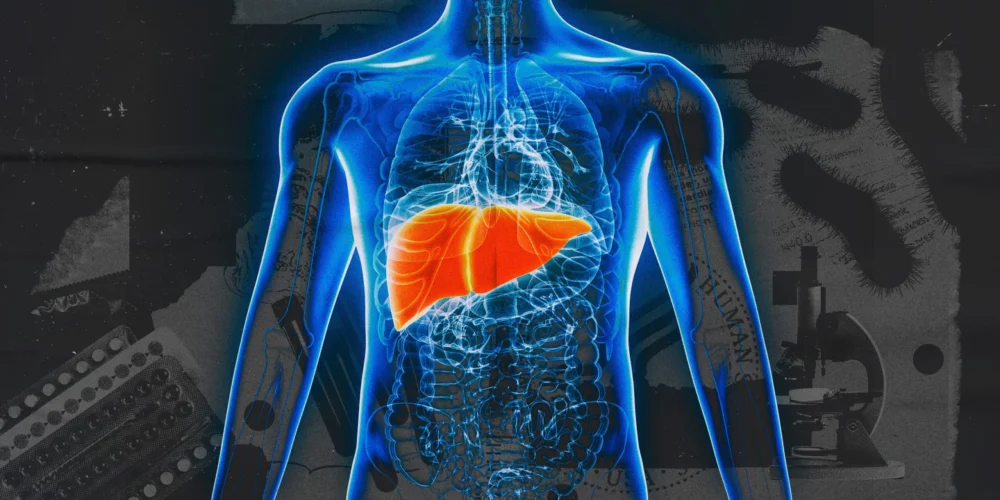
Viral hepatitis is a group of infectious diseases that primarily attack the liver, an organ essential for filtering blood, processing nutrients, and neutralizing toxins. While there are several types of hepatitis viruses, types A, B, and C are the most common in the United States. For men who have sex with men (MSM), these viruses represent a significant health concern due to higher-than-average transmission rates within the community.
Public health experts emphasize that "MSM" is a clinical term used to describe sexual behavior rather than a personal identity; it encompasses gay and bisexual men as well as those who may not identify as such but engage in same-sex behavior. Because these viruses can be transmitted through specific sexual acts and the sharing of equipment for drug use, the CDC has historically identified this demographic as a priority group for education and vaccination efforts.
Hepatitis A: The Acute Risk
Hepatitis A (HAV) is a highly contagious liver infection caused by the hepatitis A virus. Unlike Hepatitis B and C, Hepatitis A does not result in a chronic or lifelong infection. However, the acute phase can be debilitating.
Transmission and Pathophysiology
The virus is primarily found in the stool of an infected person. It is transmitted through the "fecal-oral" route, which occurs when a person unknowingly ingests the virus—even in microscopic amounts. In the context of sexual health, this most commonly occurs during oral-anal contact (rimming) or through fingers and objects that have come into contact with the virus. It can also be spread through contaminated food or water and close personal contact.
Symptoms and Severity
Symptoms of HAV can appear abruptly and include fatigue, nausea, abdominal pain, loss of appetite, low-grade fever, dark urine, and jaundice (yellowing of the skin and eyes). While many individuals recover within a few weeks, some may experience symptoms for up to six months. In rare and severe cases, particularly among older adults or those with pre-existing liver conditions, Hepatitis A can lead to acute liver failure and death.
Prevention and Treatment
There is no specific treatment for Hepatitis A; doctors typically manage the symptoms through rest, hydration, and nutritional support. The most effective defense is the Hepatitis A vaccine. The CDC recommends a two-dose series for all MSM to provide long-term protection.
Hepatitis B: The Chronic Threat
Hepatitis B (HBV) is a more complex virus that can cause both acute illness and a lifelong, chronic infection. For gay and bisexual men, the risk of HBV is particularly high due to the virus’s presence in various bodily fluids.
Transmission and Pathophysiology
HBV is found in blood, semen, and other bodily fluids. It is significantly more infectious than HIV and can survive outside the body for at least seven days. Transmission occurs through sexual contact, the sharing of needles or syringes, or through direct contact with infected blood.
The Spectrum of Illness
Many adults who contract HBV experience an acute phase similar to Hepatitis A. However, the primary danger lies in the potential for the virus to become chronic. Chronic Hepatitis B is a "silent" disease; an infected person may feel healthy for years while the virus causes progressive damage to the liver. Over time, this can lead to cirrhosis (scarring of the liver), liver failure, and hepatocellular carcinoma (liver cancer).
Prevention and Clinical Management
The Hepatitis B vaccine is safe and highly effective, usually administered in a three-dose series. For those already living with chronic HBV, modern antiviral medications can slow the progression of liver disease and significantly reduce the risk of cancer, though they rarely "cure" the infection entirely.
Hepatitis C: The Evolving Challenge
Hepatitis C (HCV) was once considered rare among MSM who did not also inject drugs, but in recent years, there has been an increase in sexual transmission, particularly among men living with HIV.
Transmission and Pathophysiology
HCV is a blood-borne virus. While it is primarily spread through shared needles, it can be transmitted during sexual activity that involves potential blood exposure, such as vigorous sex that causes mucosal tearing. Unlike HAV and HBV, there is currently no vaccine for Hepatitis C.
Severity and Outcomes
The majority of people (75%–85%) who become infected with HCV will develop a chronic infection. Like HBV, chronic HCV is a leading cause of liver transplants and liver cancer. Because symptoms often do not appear until the liver is significantly damaged, regular screening is vital for at-risk populations.
The Breakthrough in Treatment
The landscape of Hepatitis C has been transformed by the development of Direct-Acting Antivirals (DAAs). These oral medications are highly effective, well-tolerated, and can cure over 95% of HCV cases with an 8- to 12-week course of treatment. Early detection through testing is the only way to access these life-saving cures.
Barriers to Care and the Importance of Restored Data
Despite the availability of vaccines for Hepatitis A and B, vaccination rates among adult MSM remain lower than public health targets. This gap is often attributed to a lack of access to healthcare, the stigma surrounding sexual health, and the removal of targeted educational resources.
The deletion of specific health guidelines from government websites creates a "data vacuum" that can lead to increased infection rates. Dr. Stacy De-Lin, a board-certified physician and Associate Medical Director at Planned Parenthood Hudson Peconic, emphasizes that accurate, evidence-based information is the foundation of patient safety. "In practice, this information is used every day to guide STI screening, vaccination, risk-reduction counseling, and timely treatment—particularly for gay, bisexual, and other men who have sex with men, who experience a disproportionate STI burden," she notes.
When official government channels withdraw specific information, the responsibility falls to community-based organizations and health publications to bridge the gap. Reliable alternatives for health data include peer-reviewed medical journals, the World Health Organization (WHO), and specialized clinics like Planned Parenthood, which provide care rooted in current clinical guidelines regardless of the political climate.
Proactive Health Strategies for MSM
To combat the prevalence of viral hepatitis, a multi-faceted approach to health is required:
- Vaccination: All gay and bisexual men should confirm their vaccination status for Hepatitis A and B. If the series was never completed, it can be restarted or finished at any time.
- Regular Screening: Because HBV and HCV can be asymptomatic, routine blood tests are essential. Men should discuss their sexual history and risk factors openly with healthcare providers to ensure they are receiving the correct panels.
- Harm Reduction: Avoiding the sharing of needles, syringes, or even personal grooming items like razors (which may carry trace amounts of blood) can reduce the risk of HBV and HCV.
- Safe Sex Practices: While vaccines protect against A and B, barriers like condoms can reduce the likelihood of blood exposure associated with Hepatitis C transmission.
- Utilizing Resources: Tools such as "VaccineFinder" and community health centers are vital for locating accessible care and low-cost or free vaccination programs.
Conclusion
The removal of viral hepatitis data from public platforms does not change the biological reality of the risk. Hepatitis A, B, and C remain significant threats to the liver health of gay and bisexual men. However, through the combination of vaccination for HAV and HBV, and the curative treatments now available for HCV, the burden of these diseases can be drastically reduced.
Public health is most effective when it is transparent and targeted toward the needs of specific communities. By restoring and expanding upon this deleted data, individuals are empowered to make informed decisions about their bodies, their partners, and their long-term well-being. The preservation of evidence-based sexual health information is not merely a matter of record-keeping; it is a vital necessity for the continued health of the public.
