
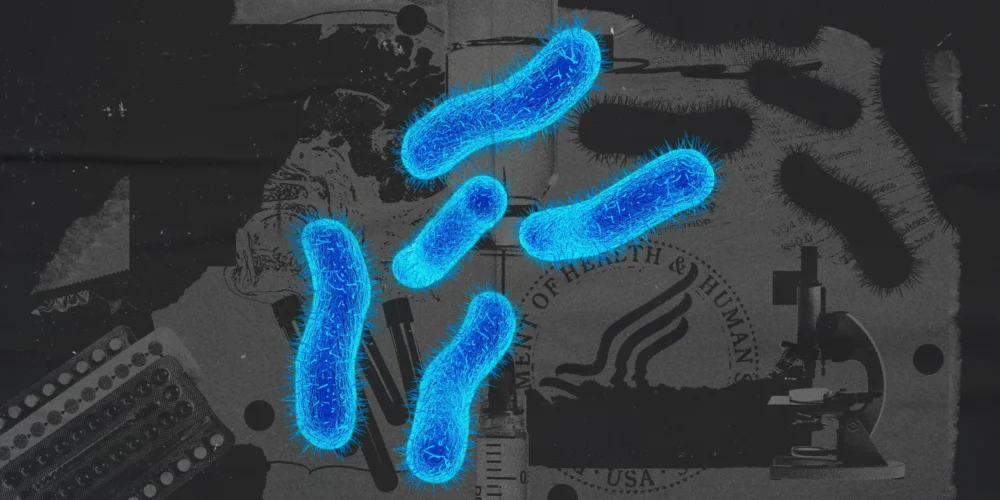
"Access to evidence-based sexual health data is a cornerstone of public health, providing the necessary tools for marginalized communities to mitigate the risks of emerging, antimicrobial-resistant infections."
The availability of accurate, non-stigmatizing medical information is essential for managing the spread of infectious diseases, particularly those that disproportionately affect specific demographics. For gay, bisexual, and other men who have sex with men (MSM), shigellosis—an intestinal infection caused by Shigella bacteria—represents a significant health concern due to its ease of transmission during sexual contact and the increasing prevalence of drug-resistant strains. When official public health resources are removed from government platforms, the resulting information gap can hinder prevention efforts, making it imperative for community members and healthcare providers to seek out and preserve clinical guidance regarding testing, treatment, and risk reduction.
The Nature of Shigellosis
Shigellosis is a highly contagious gastrointestinal illness caused by a group of bacteria known as Shigella. Unlike many other foodborne or waterborne illnesses that require a high volume of bacteria to cause infection, Shigella is remarkably potent; it takes only a very small number of germs—as few as 10 to 100 organisms—to make a person sick. This low infectious dose is one of the primary reasons the bacteria spread so rapidly within households, childcare settings, and through sexual networks.
The symptoms of shigellosis typically manifest within one to two days after exposure. The hallmark of the infection is inflammatory diarrhea, which may be bloody or contain mucus. Other common symptoms include high fever, severe stomach cramps, and tenesmus—the painful sensation of needing to pass stool even when the bowels are empty. While many individuals experience a self-limiting illness that resolves within a week, the infection can be debilitating, and for those with underlying health conditions, it can become a medical emergency.
Epidemiological Trends Among MSM
While Shigella has historically been associated with contaminated food and water or spread in settings like daycare centers, the last decade has seen a marked increase in transmission within adult sexual networks. Epidemiological data indicates that gay, bisexual, and other men who have sex with men are at a significantly higher risk for infection compared to the general adult population.
This increased risk is not inherent to the population but is rather a result of specific transmission dynamics. In the context of sexual activity, Shigella is transmitted via the fecal-oral route. This occurs when microscopic amounts of fecal matter from an infected person enter the mouth of another person. This can happen during oral-anal contact (rimming), manual-anal contact (fingering or fisting), or even through the handling of barrier methods like condoms that have come into contact with the anal area. Because the bacteria can persist on the skin and surfaces for extended periods, the risk of transmission remains high even if visible hygiene appears maintained.
The Rising Threat of Antimicrobial Resistance
Perhaps the most concerning development in the landscape of shigellosis is the rapid rise of antimicrobial-resistant (AMR) strains. Antimicrobial resistance occurs when bacteria evolve mechanisms to defeat the drugs designed to kill them. According to public health data, infections with drug-resistant Shigella have been steadily increasing in the United States since 2013.
For many years, clinicians could rely on standard antibiotics such as ciprofloxacin, azithromycin, or ceftriaxone to treat severe cases of shigellosis. However, many contemporary strains now show resistance to all commonly used oral antibiotics. This is particularly dangerous for "high-risk" patients—those with weakened immune systems, such as individuals living with HIV or those undergoing chemotherapy. In these populations, Shigella can escape the intestinal tract and enter the bloodstream (bacteremia), a life-threatening condition that is much harder to treat when the bacteria are resistant to standard intravenous medications.
For most healthy individuals, the recommended course of action is supportive care—hydration and rest—rather than antibiotics. Overusing antibiotics for mild cases of shigellosis can actually contribute to the further development of resistance. However, when the infection is severe or the patient is immunocompromised, the lack of effective antibiotic options creates a significant clinical challenge.
Clinical Implications for Immunocompromised Individuals
The intersection of shigellosis and HIV status is a critical area of public health focus. Individuals with a weakened immune system are not only more likely to contract the infection but are also at a higher risk for prolonged illness and severe complications. In a healthy host, the body’s immune response eventually clears the bacteria from the gut. In an immunocompromised host, the bacteria can persist, leading to chronic shedding of the pathogen and a higher likelihood of systemic spread.
Because Shigella can remain in the stool for up to two weeks after diarrhea has ceased, individuals with HIV or other immune-suppressing conditions must be particularly vigilant. They are advised to work closely with healthcare providers to monitor symptoms and ensure that if treatment is required, it is tailored to the specific resistance profile of the strain they have contracted.
Prevention and Risk Reduction Strategies
Preventing the spread of Shigella requires a combination of personal hygiene and behavioral adjustments. Because the bacteria are shed in the stool, the most effective way to prevent transmission is to reduce oral contact with fecal matter. Public health experts recommend several practical steps for sexually active individuals:
- Hygiene Practices: Washing hands, genitals, and the anal area with soap and water before and after sexual activity can significantly reduce the bacterial load.
- Barrier Methods: The use of condoms and dental dams during oral-anal sex can provide a physical layer of protection, though they are not foolproof if the surrounding skin is contaminated.
- Post-Illness Abstinence: This is perhaps the most critical recommendation. Individuals who have been diagnosed with shigellosis or who have recently experienced diarrhea should abstain from sex entirely. Because the bacteria continue to be shed in the stool for weeks after symptoms disappear, experts advise waiting at least two weeks after the resolution of diarrhea before resuming sexual activity.
- Cleaning of Shared Objects: Sex toys should be thoroughly washed with hot, soapy water after every use, and sharing toys without cleaning or using a new condom should be avoided.
The Role of Accessible Health Information
The removal of specialized health guidance from national platforms like the CDC website creates a vacuum that can lead to misinformation. As Dr. Stacy De-Lin, a board-certified physician and associate medical director at Planned Parenthood, emphasizes, evidence-based sexual health information is not just educational—it is a tool for "real-world decisions about prevention, testing, and treatment."
When specific demographics, such as the MSM community, face a disproportionate burden of a disease, they require tailored information that addresses their specific risks without judgment. In the absence of government-hosted data, community-based health organizations, peer-reviewed medical literature, and international bodies like the World Health Organization (WHO) become the primary sources of truth.
Organizations like Planned Parenthood and other sexual health clinics continue to provide care rooted in current clinical guidelines. These institutions serve as a vital safety net, offering testing for gastrointestinal pathogens that are sexually transmitted—a service that is often overlooked in traditional primary care settings where providers may not think to test for Shigella in the context of a sexual health screening.
Conclusion
Shigellosis remains a significant public health challenge, exacerbated by the dual threats of high transmissibility and increasing antimicrobial resistance. For gay, bisexual, and other men who have sex with men, understanding the fecal-oral route of transmission and the necessity of post-symptom abstinence is vital for protecting both themselves and their partners.
The preservation of this information is an act of public health necessity. As pathogens evolve and become more difficult to treat, the free flow of accurate, scientific data remains the most effective weapon in the arsenal of modern medicine. Ensuring that at-risk populations have access to the facts about Shigella—regardless of political shifts or changes in government web hosting—is essential for maintaining the health and safety of the community at large.
