
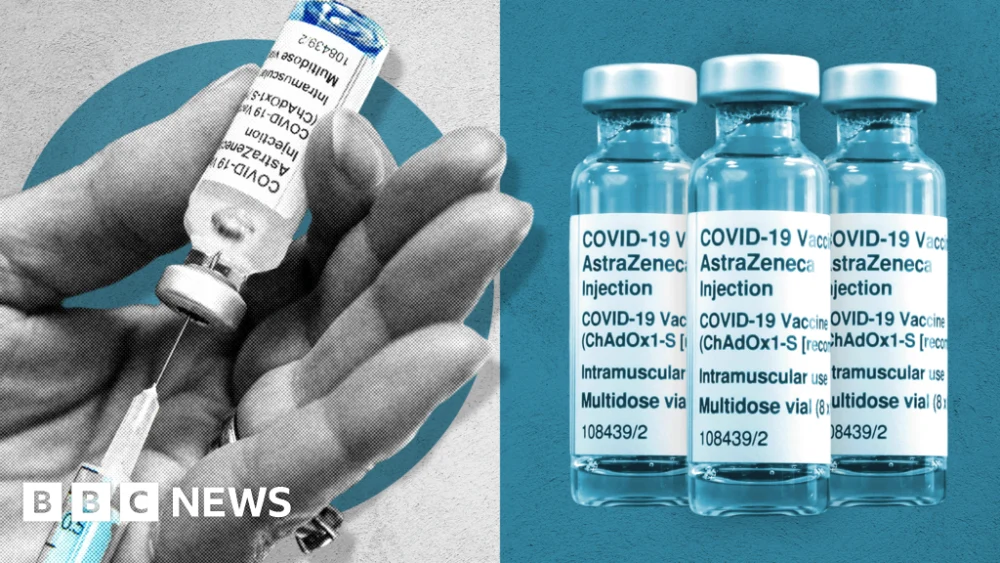
"The staggering expenditure of nearly £50 million on an outsourced firm to assess COVID-19 vaccine harm claims, eight times the original estimate, highlights critical questions about public sector contract management and the allocation of funds, particularly when this cost significantly surpasses the total compensation awarded to those genuinely injured."
A recent BBC investigation has revealed that the National Health Service (NHS) has disbursed nearly £50 million of taxpayer money to Crawford & Company Adjusters, an outsourced firm tasked with assessing claims of medical harm stemming from COVID-19 vaccines. This monumental figure stands in stark contrast to the original £6 million estimate for the five-year contract and significantly overshadows the total compensation of £29.8 million thus far awarded to individuals severely injured or bereaved due as a result of vaccine side effects. The revelation ignites concerns regarding public finance oversight, the efficacy of government contracting, and the disparity between administrative costs and direct support for those affected by adverse vaccine reactions.
Escalating Costs Amidst Unprecedented Claims
The Vaccine Damage Payment Scheme (VDPS), established in 1979, provides a one-off, tax-free payment of £120,000 to individuals who can medically prove that a vaccine has caused severe disability. While the benefits of vaccination, particularly the AstraZeneca COVID-19 jab, are widely acknowledged for saving millions of lives globally, the scheme serves as a crucial safety net for the rare instances of severe adverse reactions. However, the sheer volume of claims related to COVID-19 vaccines has presented an unprecedented challenge to the VDPS, leading to an unforeseen escalation in administrative costs.
Since March 2022, Crawford & Company Adjusters, whose parent company is based in the US, has been responsible for conducting the complex medical assessments required by the VDPS. The firm’s contract, initially projected at £6 million over five years, has seen its value skyrocket to nearly £50 million with more than a year still remaining on the agreement. This extraordinary increase, an eightfold rise, is attributed by an NHS spokesperson to the volume of claims "exceeding anticipated levels."
More than 22,000 claims have been lodged concerning COVID-19 vaccines, with the vast majority linked to the AstraZeneca jab. Despite this high volume, only a mere 1% of these claims have resulted in compensation payouts, with 249 individuals receiving payments totalling £29.8 million by mid-November last year. This low success rate, combined with the spiralling assessment costs, casts a shadow over the scheme’s operational efficiency and financial stewardship.
Contractual Peculiarities and Commercial Risks
The structure and management of the contract with Crawford & Company have drawn criticism from legal experts. Professor Albert Sanchez-Graells from the University of Bristol Law School, an authority on NHS contracts for over 15 years, described the nature of the contract as "peculiar." He argued that given the "significant uncertainty" surrounding the potential volume of vaccine harm claims at the time the contract was formulated, a shorter agreement with a cap on processed claims would have been a more prudent approach. "Using firm contracts in uncertain situations carries significant commercial risks," Sanchez-Graells commented, implying that the NHS may have inadvertently exposed itself to substantial financial liabilities by opting for a less flexible arrangement.
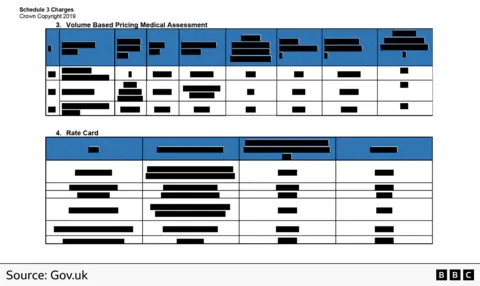
The NHS, in response to inquiries about the escalating costs and contract formulation, stated that "several factors influence a procurement strategy and construct of the contract," and that the process for public sector organisations can "vary" in length due to the "complex" nature of such agreements. However, this explanation has done little to assuage concerns about the apparent lack of foresight in managing public funds during a period of unprecedented public health challenges. The original contract, though publicly available, is heavily redacted, further limiting transparency into the specific terms that allowed such a significant cost escalation.
The Human Cost and Operational Strain
The dramatic surge in claims underscores the profound impact of COVID-19 vaccines on a small but significant number of individuals. There have been more than three times the number of claims under the VDPS for COVID-19 jabs than for all other eligible vaccines combined over the previous four decades. While the vast majority of people experienced no severe side effects and benefited immensely from vaccination, for those who did suffer, the resulting injuries can be devastating, leading to severe disabilities that fundamentally alter their lives.
The VDPS requires a high bar for compensation, demanding clear medical proof of severe disability directly caused by the vaccine, established "on the balance of probability." This stringent criterion contributes to the low success rate of claims, but it also means that the assessment process itself can be lengthy and resource-intensive, requiring detailed medical evaluations and expert opinions to determine causality and severity.
Scrutiny and Transition to a New Provider
BBC analysis reveals that monthly payments to Crawford escalated rapidly soon after the firm commenced its assessment work for the VDPS. The initial £6 million estimated value of the five-year contract was reached within just 14 months, by May 2023. Despite this early indicator of spiralling costs, moves to find a new provider only began in September 2023. During this interim period, spending continued to rise dramatically, reaching a peak where Crawford was reportedly paid £5.9 million in a single month – almost equivalent to the entire initial estimated value of the contract.
The NHS announced on January 5th of this year that a new company, Maximus UK Services Limited, will take over the responsibility for carrying out the medical assessment work. Maximus UK, another provider with a US-based parent company, has been awarded a new five-year contract estimated at £27 million. While still a substantial sum, this figure is significantly less than the total amount ultimately paid to Crawford over the course of its agreement. The NHS spokesperson indicated that the value of the new contract with Maximus has been calculated based on the current rate of new claims and includes provisions to "be flexed" if claim volumes change, suggesting that lessons may have been learned from the previous contractual shortcomings.
Wider Implications and Future Reforms
The significant financial outlay and operational challenges faced by the VDPS in the wake of the COVID-19 pandemic have brought the scheme under intense scrutiny. Health Secretary Wes Streeting is currently reviewing potential reforms to the VDPS, acknowledging the need for a system that is both fair to those harmed and fiscally responsible. Furthermore, the workings of the VDPS were considered as part of the broader COVID-19 inquiry, with a report addressing these issues due to be published on April 16th.
This situation highlights a critical tension in public health policy: how to adequately support the rare individuals who suffer severe harm from vital public health interventions, while simultaneously managing public funds responsibly and maintaining public trust in both vaccination programs and government administration. The disproportionate spending on outsourced assessment services versus direct compensation payments raises fundamental questions about accountability, procurement practices, and the ethical imperative to prioritize the welfare of those genuinely injured by medical interventions undertaken for the collective good. The ongoing review and the findings of the COVID-19 inquiry will be crucial in shaping a more resilient and equitable framework for vaccine damage compensation in the future.
