

A critical disruption in the supply of essential medical bone cement is poised to trigger significant delays for thousands of patients awaiting vital joint replacement surgeries across the NHS, intensifying pressure on an already strained healthcare system. This unforeseen crisis underscores the fragility of global medical supply chains and presents a formidable challenge to efforts aimed at reducing extensive waiting lists.
The National Health Service is confronting a severe bottleneck in its orthopaedic surgery schedule following an unexpected production halt by Heraeus Medical, the dominant supplier of bone cement to the UK. This German firm, responsible for approximately three-quarters of the bone cement used in NHS procedures, has temporarily ceased production at its primary facility for an anticipated two-month period due to a critical machine failure during a planned upgrade of its manufacturing processes. This disruption has immediate and far-reaching implications, as bone cement is indispensable for over 1,000 operations weekly, predominantly for knee replacements, but also for many hip and shoulder procedures.
The immediate consequence for the NHS is the imperative to re-evaluate and re-prioritise surgical schedules. Hospitals have been directed to safeguard trauma and urgent care, specifically prioritising emergency patients such as older individuals who have sustained falls and those suffering from broken hips. These cases, often presenting with acute pain and requiring immediate intervention to prevent further deterioration or prolonged immobility, will take precedence over elective surgeries. This directive is particularly stark given that England alone has approximately 850,000 patients on waiting lists for planned joint treatments, making orthopaedics the largest specialty backlog within the health service. NHS England’s guidance explicitly calls for a focus on providing care to those experiencing the most severe pain or presenting with the most complex conditions, a difficult calculus when resources are constrained.
Hospitals currently hold approximately a two-week supply of bone cement, creating an urgent window for action. NHS England, in collaboration with health authorities across the rest of the UK, is actively pursuing alternative supplies from four other manufacturers that typically supply the NHS. This scramble to secure additional stock is critical to mitigating the impact, but the scale of Heraeus Medical’s market share suggests that fully compensating for the deficit will be challenging. Despite these efforts, patients are being advised to assume their appointments and treatments will proceed as planned unless they are explicitly informed otherwise by their healthcare providers, aiming to minimise unnecessary anxiety and confusion.
The news has been met with dismay by patient advocacy groups. Deborah Alsina, chief executive of Arthritis UK, described the situation as a "crushing blow" for individuals who have endured lengthy waits to reach the front of the orthopaedic surgery queue. She emphasised the personal toll of such delays, highlighting the profound impact on quality of life, mobility, and mental well-being for those living with chronic joint pain. Alsina urged hospitals to communicate swiftly and transparently with affected patients to prevent additional worry and uncertainty. Furthermore, she pointed to the broader political implications, noting that the government faces a significant uphill battle to meet its ambitious targets for reducing waiting lists, and this unforeseen supply chain crisis only exacerbates the challenge.
Heraeus Medical, in a letter to its customers, confirmed the critical machine failure occurred while upgrading its production processes, a common occurrence in manufacturing but one with severe consequences in a specialised medical field. An NHS England spokesman underscored the global nature of the problem, indicating that the supply issue extends beyond the UK, suggesting a widespread impact on healthcare systems reliant on Heraeus Medical’s products. The spokesperson reiterated the NHS’s commitment to ensuring trauma and urgent care can continue safely, facilitating the use of alternative suppliers, and supporting the prioritisation of orthopaedic waiting lists based on patient needs. They also stressed ongoing collaboration with government bodies and leading professional associations to resolve the supply issue and minimise delays for less urgent, yet still crucial, care.
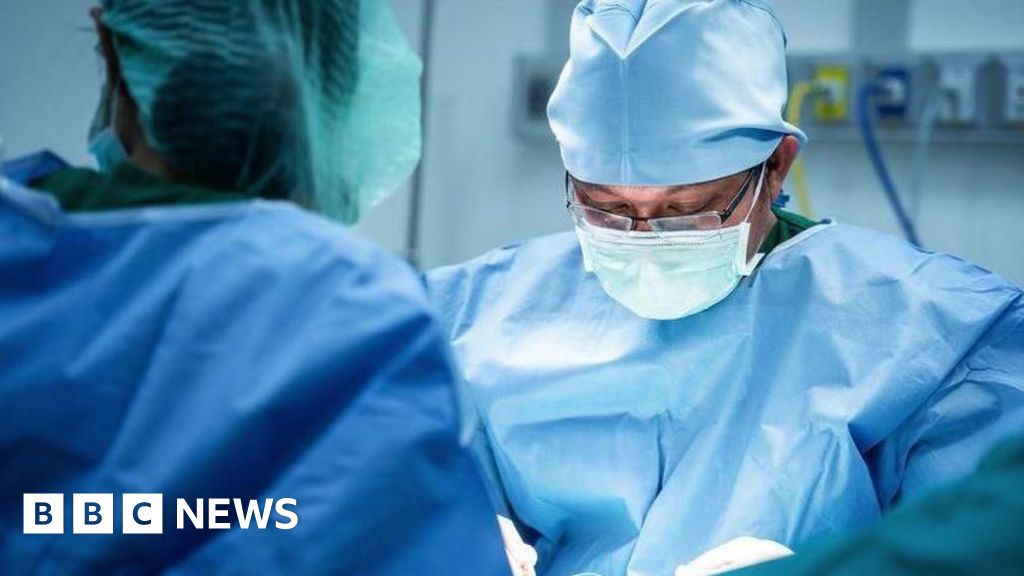
Fergal Monsell of the British Orthopaedic Association (BOA), the representative body for joint surgeons, confirmed the association is actively working with NHS bosses to limit the impact on patients. Monsell suggested that hospitals might adapt by reallocating surgical theatre time and personnel to procedures that do not require bone cement. This strategic shift could help maintain surgical activity levels for certain orthopaedic interventions while bone cement supplies are constrained. The BOA has committed to providing regular updates to surgeons as the situation evolves, enabling them to make informed decisions regarding patient treatment plans.
The reliance on bone cement, specifically polymethyl methacrylate (PMMA) bone cement, in orthopaedic surgery is well-established. It serves as a crucial component for anchoring prosthetic implants to bone, particularly in total joint replacements like knee, hip, and shoulder arthroplasties. Its mechanical properties allow for immediate weight-bearing and provide stable fixation, which is especially beneficial for older patients or those with compromised bone quality. While uncemented or hybrid techniques exist, cemented fixation remains a gold standard for many procedures, offering predictable outcomes and longevity. The sudden absence of this fundamental material forces a re-evaluation of surgical approaches and patient eligibility.
This incident also shines a spotlight on the inherent vulnerabilities within global medical supply chains. The concentration of manufacturing among a few key suppliers, while often driven by economies of scale and specialised expertise, creates a single point of failure. When a dominant supplier experiences a significant disruption, the ripple effects can be immediate and severe, impacting healthcare systems worldwide. This fragility has been a recurring theme in recent years, highlighted by the COVID-19 pandemic and various geopolitical events, prompting calls for greater diversification and resilience in essential medical supplies.
The long-term implications of this shortage extend beyond immediate surgical delays. Prolonged waiting times for elective joint replacements can lead to a significant deterioration in patients’ physical and mental health. Increased pain, reduced mobility, and a diminished quality of life can result in greater reliance on pain medication, increased demand for physiotherapy, and potentially more complex health issues down the line, placing additional strain on other parts of the health service. There are also broader economic consequences, as patients suffering from debilitating joint conditions may be unable to work, contributing to lost productivity and increased social care needs.
Addressing this crisis will require a multi-faceted approach. Beyond immediate procurement efforts, strategic planning will be essential. This includes exploring options for diversifying supply chains, potentially investing in domestic manufacturing capabilities, or establishing national stockpiles of critical medical consumables. Furthermore, clinicians may need to refine patient selection criteria, considering alternative surgical techniques where feasible and clinically appropriate, and enhancing pre-habilitation programmes to maintain patients’ functional status while they await surgery.
The bone cement shortage serves as a stark reminder of the intricate web of dependencies that underpin modern healthcare. While the NHS and its partners work tirelessly to navigate this challenge, the incident underscores the urgent need for greater foresight and resilience in the global medical supply chain to safeguard patient care against future disruptions.
