

"A routine knee operation, intended to restore mobility, instead led to a devastating above-knee amputation, highlighting the catastrophic consequences of surgical errors and underscoring the critical need for unwavering precision and accountability in medical procedures."
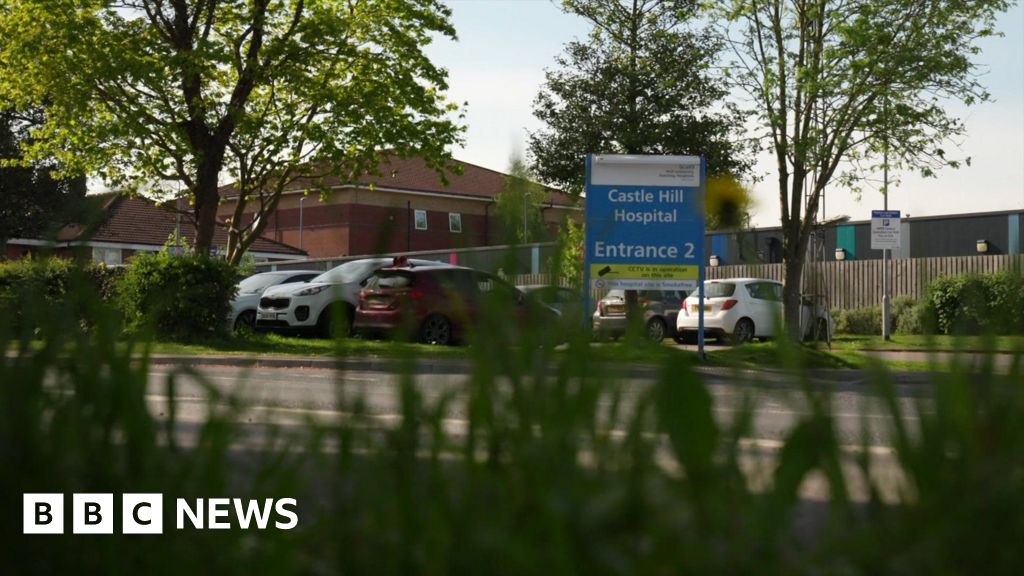
This profound statement encapsulates the tragic ordeal of a 69-year-old woman whose life was irrevocably altered by a botched knee replacement surgery at Castle Hill Hospital in Cottingham, near Hull, in 2021. What was anticipated to be a corrective procedure to replace an aging prosthetic knee turned into a medical nightmare, culminating in the loss of her leg and a subsequent legal battle that saw the hospital trust admit liability and pay significant compensation. This incident serves as a stark reminder of the fragile line between successful medical intervention and life-altering error, and the imperative for robust patient safety protocols within the healthcare system.
The case, brought to light by Hudgell Solicitors, revealed that during the revision knee replacement surgery, the operating surgeon’s drill slipped, causing severe damage to vital nerves and blood vessels in the patient’s leg. Despite immediate emergency repair surgery, the damage proved irreparable, ultimately necessitating an above-knee amputation. This devastating outcome transformed the patient’s life from one of expected improved mobility to one of permanent wheelchair dependence and profound psychological distress. The Humber Health Partnership, which includes Hull University Teaching Hospitals NHS Trust, has since expressed deep regret for the incident, acknowledging the immense suffering endured by the patient and her family.
Knee replacement surgery, while generally safe and effective, is a complex orthopedic procedure designed to alleviate pain and restore function in a damaged knee joint. It typically involves removing the damaged bone and cartilage and replacing them with prosthetic components made of metal alloys, high-grade plastics, and polymers. Revision knee replacement, as was the case here, is often more intricate than a primary replacement. It involves removing previously implanted prosthetic components, addressing any issues like loosening or infection, and then implanting new ones. This type of surgery can present additional challenges due to altered anatomy, scar tissue, and potential bone loss, requiring an even higher degree of surgical skill and precision.
The anatomical structures around the knee are delicate and densely packed. Major blood vessels, such as the popliteal artery and vein, and crucial nerves, like the peroneal and tibial nerves, traverse close to the surgical site. Damage to these structures during surgery can lead to severe complications, including acute limb ischemia (lack of blood flow), nerve damage causing paralysis or sensory loss, and in the most extreme cases, irreversible tissue damage necessitating amputation. The use of powered surgical instruments, such as drills, requires meticulous control and an intimate understanding of the surrounding anatomy to prevent accidental perforation or laceration of these vital structures. A slip of a drill, as occurred in this instance, underscores a lapse in the required surgical precision and care.
Following the initial error, the patient underwent emergency repair surgery, a critical intervention aimed at salvaging the limb by repairing the damaged vessels and nerves. However, when such repairs fail, or if the damage is too extensive, the viability of the limb becomes compromised, leading to conditions like compartment syndrome or irreversible tissue necrosis. In such dire circumstances, amputation becomes a life-saving, albeit devastating, necessity to prevent the spread of infection or further systemic complications. An above-knee amputation, particularly at the age of 69, presents significant challenges for rehabilitation and prosthetic fitting, severely impacting a person’s ability to regain independent mobility. The patient’s struggle with ill-fitting prosthetics due to the high level of amputation highlights these profound difficulties.
The legal action taken by the woman, represented by medical negligence claims specialist Sam Darwin of Hudgell Solicitors, was pivotal in securing accountability. Mr. Darwin stated that the incident was a "life-changing surgical error as a result of the procedure not being conducted with enough care" and was "simply unacceptable." The immediate admissions of liability by the trust are a significant development in such cases, often streamlining the legal process and acknowledging wrongdoing without prolonged litigation. Such compensation settlements are designed not merely as punitive measures but primarily to provide for the victim’s future needs, covering costs associated with ongoing care, specialized equipment (like advanced wheelchairs and home adaptations), loss of independence, and the immense pain and suffering endured. While no amount of money can truly reverse the trauma, it aims to improve the quality of life for individuals profoundly affected by medical negligence.

The personal toll on the 69-year-old woman has been immense. She spent four months in hospital undergoing rehabilitation and recovery, a period of intense physical and emotional challenge. Upon discharge, her life had fundamentally changed, marked by reliance on a wheelchair. Her own words vividly convey her anguish: "I went in for an operation which was supposed to give me better mobility and ensure I was able to maintain my independence, but it ended up taking almost everything from me." This sentiment speaks to the profound sense of betrayal and loss, moving from an expectation of improved quality of life to a reality of permanent disability. Her ongoing struggle, both physically and psychologically, including the frustration of trying to use prosthetics that "kept falling off," reflects the long-term, pervasive impact of such a catastrophic injury. Her admission of still feeling "angry and bitter" is a raw expression of the grief and injustice she experiences daily.
Her husband’s perspective adds another layer of heartbreak to the narrative. While acknowledging positive experiences with the NHS for his own cancer treatment, he expressed a profound sense of his wife being "so badly let down by an individual." His anger was particularly directed at the lack of transparent communication immediately following the operation, where he was "told nothing other than she was in recovery," despite the severity of the unfolding crisis. This highlights a critical aspect of patient care: not just the technical skill of surgeons but also the empathetic and honest communication with patients and their families, particularly when errors occur. Such a lack of information can erode trust and exacerbate distress during an already traumatic time.
In response to the settlement, a spokesperson for the Humber Health Partnership reiterated the trust’s commitment to transparency and learning from adverse events. They stated: "While every procedure is undertaken with the intention of providing safe, effective care, we recognise that things can go wrong. When they do, we are committed to being open with patients and families, investigating incidents thoroughly, and using the learning to reduce the risk of recurrence." This statement underscores the ethical and professional obligation of healthcare institutions to conduct thorough investigations, often involving root cause analysis, to understand why errors occurred. The aim is to identify systemic weaknesses, implement corrective actions, and improve surgical protocols, training, and supervision to prevent similar incidents in the future. Learning from mistakes, even tragic ones, is a cornerstone of continuous quality improvement in healthcare.
This case is a stark reminder of the inherent risks in surgical procedures, even those considered routine, and the absolute necessity of maintaining the highest standards of care and vigilance. It underscores the critical importance of patient safety initiatives, rigorous surgical training, continuous professional development, and robust oversight mechanisms within healthcare systems. While the NHS provides world-class care to millions, individual failures can have devastating, life-altering consequences. For the 69-year-old woman, her journey from seeking improved mobility to facing a lifetime in a wheelchair stands as a powerful testament to the profound impact of medical negligence and the enduring fight for accountability and justice for those who are "badly let down." The compensation, while significant, can never truly replace what was lost, but it offers a measure of support for adapting to a life forever changed.
