
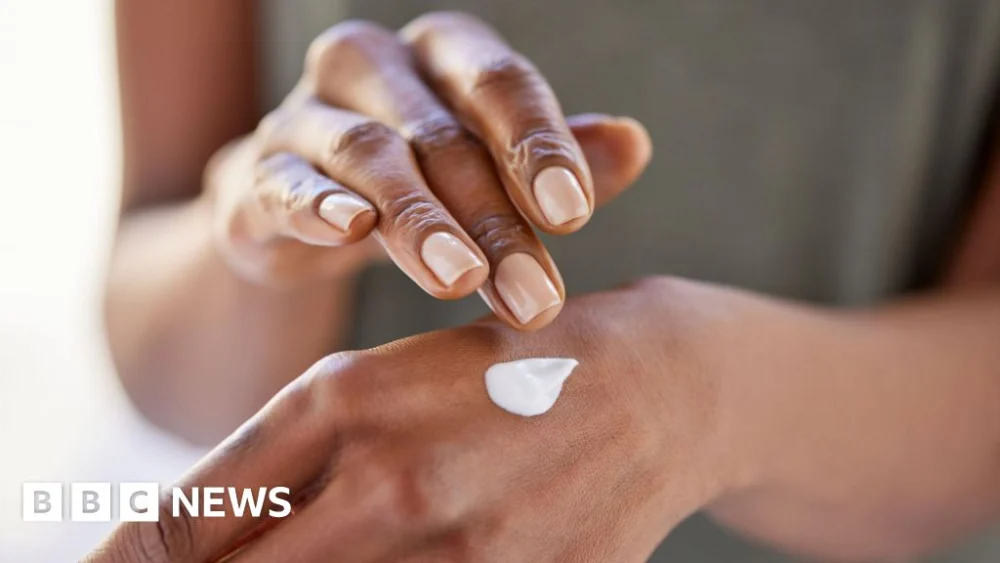
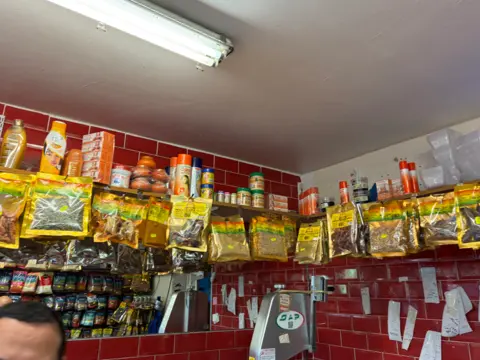
"Dangerous and illicit skin lightening products, containing banned substances like hydroquinone and mercury, are now alarmingly prevalent in UK butchers, food shops, and online, posing severe health risks and highlighting the persistent societal pressures of colourism."
This stark warning from the Chartered Trading Standards Institute (CTSI) underscores a growing public health crisis as hazardous skin lightening creams infiltrate everyday retail spaces, often unbeknownst to consumers. These products, frequently imported illegally, exploit deeply ingrained social factors, particularly colourism, pushing individuals towards remedies that promise cosmetic change but deliver severe and often irreversible harm, from profound skin damage to systemic organ failure.
The illicit trade in skin lightening products across the UK has reached alarming levels, with a recent warning from the Chartered Trading Standards Institute (CTSI) highlighting their widespread availability in unexpected retail environments such as butchers and specialist food shops, alongside pervasive online sales. This proliferation poses a significant public health risk, as many of these creams contain potent, banned ingredients that can cause severe and lasting harm to users.
According to the CTSI, the dangerous and illicit products are appearing in an increasingly diverse range of retail outlets, making them harder to track and regulate. The watchdog has issued a firm directive to the public: avoid these creams at all costs and report any shops or online platforms continuing to sell them. This call to action emphasizes the collective responsibility required to curb this dangerous trend.
Tendy Lindsay, a distinguished CTSI member and former chair, articulated the gravity of the situation, stating, "As a black woman and a long-standing advocate for equality, diversity and inclusion, I want to be absolutely clear: the sale of illegal skin lightening products is not only dangerous, it is unlawful." Her statement underscores not only the legal implications but also the profound ethical and social dimensions of this issue, particularly for communities disproportionately affected by harmful beauty standards.
The primary concern stems from the ingredients found in many of these banned products. The CTSI has specifically identified hydroquinone, mercury, and powerful corticosteroids as common components. These substances are prohibited in non-prescription cosmetics within the UK and European Union due to their well-documented adverse health effects. Hydroquinone, a potent depigmenting agent, works by inhibiting melanin production. While effective in reducing hyperpigmentation, its uncontrolled use can lead to exogenous ochronosis—a permanent darkening of the skin—as well as severe irritation, blistering, and increased susceptibility to sun damage, raising the risk of skin cancer. Mercury, historically used for its perceived lightening properties, is a neurotoxin. When absorbed through the skin, it can cause kidney damage, neurological problems including tremors and memory loss, and psychiatric disturbances. Pregnant women and young children are particularly vulnerable, with potential for developmental issues. Potent corticosteroids, while prescribed for inflammatory skin conditions, can thin the skin, cause stretch marks, lead to steroid-induced acne, and, with prolonged use, suppress the body’s natural corticosteroid production, leading to systemic health issues.
The motivation behind the use of these products is often complex, rooted in "social and personal factors," most notably colourism. Colourism, a form of discrimination where individuals with lighter skin tones are favoured over those with darker skin tones, is a global phenomenon with deep historical roots, often linked to colonial legacies and societal hierarchies. In many cultures, lighter skin is erroneously associated with beauty, status, and greater opportunities, creating immense pressure on individuals to alter their natural complexion. This pervasive societal bias fosters an environment where illicit skin lightening products find a receptive market, preying on vulnerabilities and aspirations.
The BBC recently highlighted the real-world dangers through a segment on Morning Live, featuring individuals whose lives have been impacted by these hazardous creams. Daniel Murrell-Williamson from Essex shared his harrowing experience, recounting how at 17, he unknowingly used a cream containing toxic and illegal ingredients. Initially seeking to cover dark patches caused by acne, Daniel relied on an unmarked product provided by a friend. "I definitely saw a difference in my skin complexion and felt like I needed to keep up with it, because if I stopped, I would revert back to my original skin complexion," he explained. His initial targeted application soon escalated, leading him to use the bleaching product all over his body on a daily basis, demonstrating the addictive and psychologically compelling nature of these products once perceived results appear. The hydroquinone in his cream not only posed risks of skin cancer and weakening but also severe liver and kidney damage through systemic absorption.
Another testimony came from Arlene Dihoulou, who revealed she was unaware of the profound dangers posed by skin lightening creams. Her journey into using these products began after experiencing colourism and racism related to her skin tone during her childhood. Her story is emblematic of countless others who turn to these products not out of vanity, but as a misguided attempt to navigate societal prejudices and achieve acceptance. The lack of awareness regarding the ingredients and their severe health implications makes individuals like Arlene particularly vulnerable to exploitation by this illicit market.
The fight against these illegal products is ongoing, with enforcement agencies actively working to prosecute offenders. In a notable case in November, a cosmetics retailer in Peckham, London, was fined a substantial £30,000 for selling illegal skin lightening products for a second time, underscoring the persistent nature of this illicit trade and the financial penalties involved. The London borough of Southwark, in particular, has been a hotspot for such activities, with 62 companies or individuals prosecuted for selling skin lighteners since 2002. These figures highlight the scale of the problem in urban centres with diverse populations, where cultural pressures and demand create fertile ground for the black market.
The CTSI’s warning extends to practical advice for consumers to protect themselves:
- Scrutinise Ingredients: Always check product labels for ingredients such as hydroquinone, mercury, or corticosteroids. Be wary of products with incomplete or vague ingredient lists, or those that promise "instant" or "dramatic" lightening.
- Report Suspicious Sales: If you encounter products suspected of being illegal or containing banned substances, particularly in non-traditional retail settings like butchers or food shops, or on unregulated online marketplaces, report them to your local Trading Standards office or Citizens Advice.
- Avoid Unmarked or Unlabelled Products: As Daniel Murrell-Williamson’s experience illustrates, products without clear branding, ingredient lists, or regulatory information are extremely dangerous and should be avoided entirely.
- Seek Professional Advice: For concerns about hyperpigmentation or skin tone, consult a qualified dermatologist or healthcare professional who can offer safe, regulated, and effective treatments.
Tendy Lindsay expressed deep concern about the underlying social factors that continue to fuel demand for these dangerous products. She warned that "colourism and harmful beauty standards can create vulnerability," emphasizing the need for broader societal conversations and cultural shifts to challenge these damaging norms. Furthermore, she issued a stern caution to those supplying the products, many of whom may claim ignorance of their illegality: "a lack of awareness is not a defence." This underscores the legal responsibility of retailers to understand and comply with cosmetic regulations, regardless of whether they specialize in beauty products or not. The responsibility lies with every vendor to ensure the safety and legality of the products they offer to the public.
The proliferation of these products in unexpected retail spaces signifies a concerning evolution in the distribution network of the illegal cosmetics trade. These new channels exploit community trust and bypass traditional regulatory oversight points, making the task of enforcement even more challenging. Addressing this complex issue requires a multi-pronged approach involving heightened public awareness campaigns, more vigilant enforcement by regulatory bodies, and sustained efforts to dismantle the societal pressures of colourism that drive demand for these hazardous products. Ultimately, ensuring public safety means not only removing these dangerous items from shelves but also empowering individuals with the knowledge and confidence to embrace their natural skin tones.
