

"This was the worst mistake of my life. These types of surgeries are too risky, yet it’s still so accessible," states Josephina Finch, whose harrowing experience with a botched Brazilian butt lift abroad underscores the critical need for stricter regulation in the booming cosmetic procedure industry. Her story serves as a stark warning about the severe physical and psychological consequences that can arise from unregulated aesthetic enhancements.
Josephina Finch, a 38-year-old mother-of-three from Canterbury, Kent, embarked on a journey in October 2024 that she believed would enhance her self-image, only for it to culminate in profound agony, infection, and a stark realization of the dangers lurking within the cosmetic surgery market. Driven by a desire for a "curvy look" and an "hourglass figure," Finch meticulously researched the Brazilian butt lift (BBL) procedure for approximately three years. Confident in her choice, she traveled to Spain, believing she had secured a safe environment for the operation. Her aspiration for aesthetic transformation, however, quickly devolved into a nightmarish ordeal, shedding light on the alarming lack of oversight and potential hazards faced by individuals seeking cosmetic enhancements, particularly those undertaken in foreign countries.
The Brazilian butt lift, a procedure that involves transferring fat from other areas of the body to the buttocks, has surged in popularity globally. It promises enhanced contours and a more voluminous posterior, aligning with contemporary beauty standards. Finch’s decision to undergo this surgery was not impulsive; her extensive research suggested a calculated move towards achieving a desired aesthetic. The allure of potentially lower costs or perceived expertise abroad often draws individuals to international clinics, a phenomenon known as medical tourism. While many such facilities offer high-quality care, others operate with varying standards, and the fragmented regulatory landscape across different nations can expose patients to significant risks.
The immediate aftermath of Finch’s surgery was nothing short of traumatic. She recounted waking up "screaming," engulfed in a level of pain she described as akin to being "hit by a bus." "Nothing would prepare you to understand how much pain I was in," she expressed, painting a vivid picture of the intense discomfort. Post-operatively, patients undergoing BBLs are typically advised to avoid direct pressure on their buttocks to protect the newly grafted fat cells. Finch was no exception, instructed to lie on her front and restrict standing to just one hour daily. This restrictive recovery posture led to additional discomfort, with sores developing on her elbows. She was scheduled to remain at the clinic for two weeks, a standard period for initial monitoring and recovery in many such procedures.
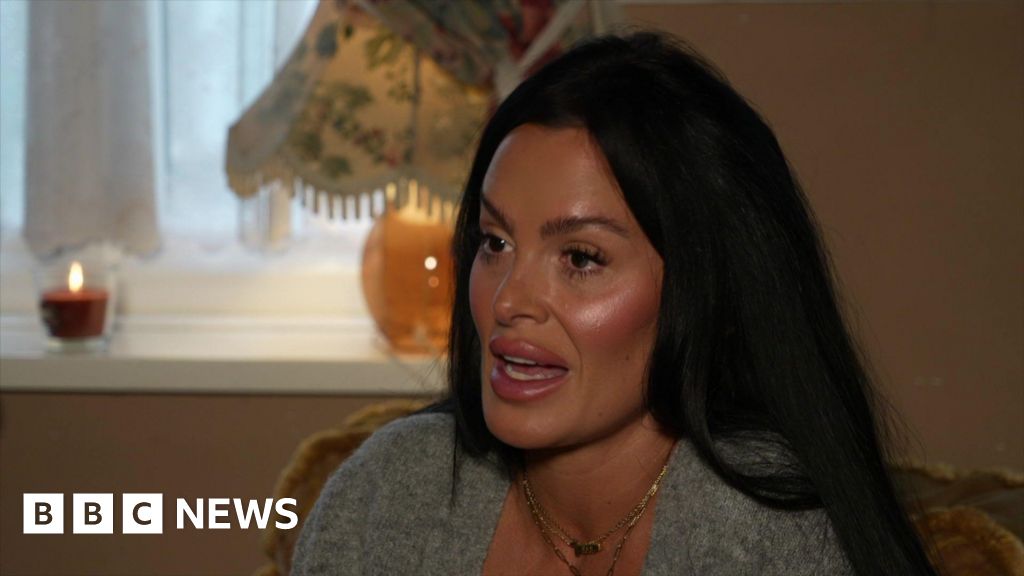
However, just seven days into her recovery, a new and alarming set of symptoms emerged. Finch began to feel "very ill," experiencing a sensation of her "bum boiling" and a developing fever – clear indicators of a serious complication. Recognizing these red flags, she promptly returned to the clinic. It was there that the gravity of her situation became terrifyingly apparent. Staff observed fluid discharging from the incision hole at the top of her posterior, the site where the implant had been placed. The wound, instead of healing, had become a "gaping hole," and the implant site was unequivocally infected.
The subsequent handling of Finch’s infection compounded her distress. She revealed that the surgeon responsible for her procedure was absent, resulting in an agonizing eight-day delay before the infected implant could be removed. This critical delay in addressing a severe infection significantly heightened the risk of further complications, including systemic sepsis, and prolonged her suffering. When the surgeon eventually returned, his suggestion was to wash the implant and reinsert it – a proposition Finch vehemently rejected. At this point, her primary concern had shifted entirely from aesthetic enhancement to her health and the desperate desire to return home to her children. "I wouldn’t have been worried if I had one bum cheek dragging on the floor. I didn’t care at that point, I just wanted to go home," she articulated, underscoring the profound psychological toll and the complete loss of trust in the medical facility.
The road to recovery for Josephina was arduous and protracted, stretching over six months before she could comfortably lie on her back again. The physical scars were mirrored by deep emotional wounds. She spoke candidly about the "absolute hell" she endured, battling depression and anxiety stemming from what she now describes as a "stupid decision." Her harrowing experience led her to advocate strongly against such procedures, asserting that cosmetic surgeries like the BBL are "too risky" and should not be so readily available. "It took me six months until I could feel happy again, just emotionally," she reflected, summarizing her ordeal as the "worst mistake of my life."
Josephina Finch’s distressing account resonates with a broader, concerning trend in the cosmetic procedures industry, particularly within the UK and internationally. The Women and Equalities Committee has previously highlighted the pervasive issue of a "wild west" market, especially concerning non-incisional procedures, which currently lack robust regulation. This regulatory vacuum has allowed for a proliferation of practitioners operating outside conventional medical settings, with reports of procedures, including liquid breast enlargements, being performed in highly unsuitable environments such as holiday lets, hotel rooms, garden sheds, and even public toilets. This alarming situation exposes patients to immense risks, including severe infections, permanent disfigurement, and even death.
The committee’s stark findings led to a crucial recommendation: only doctors should be authorized to carry out high-risk cosmetic procedures. This measure would effectively serve as a de facto ban on many procedures currently offered by non-medical professionals, as doctors would only perform them in the most essential and clinically appropriate cases, under stringent medical supervision. The government has acknowledged these concerns and proposed similar measures aimed at tightening restrictions, though a definitive timeline for their implementation remains pending.

The Brazilian butt lift, specifically, has garnered a reputation as one of the most dangerous cosmetic surgeries. Its high-risk profile stems from the method of fat injection. For optimal survival of the transferred fat cells, the fat is typically injected deep into the gluteal muscles. However, this area is rich in blood vessels, including the superior and inferior gluteal veins. If fat is inadvertently injected into these vessels, it can lead to a fat embolism – a potentially fatal complication where fat travels through the bloodstream to the lungs (pulmonary embolism), heart, or brain, causing organ failure. Mortality rates associated with BBLs are significantly higher than for many other elective cosmetic surgeries, with some studies indicating a rate as high as 1 in 3,000 to 1 in 6,000 procedures performed by less experienced or unregulated practitioners. Beyond the risk of embolism, other serious complications include infection (as experienced by Finch), necrosis (tissue death), severe asymmetry, persistent pain, and extensive scarring.
Josephina’s experience serves as a powerful cautionary tale, illustrating the multifaceted dangers of undergoing complex cosmetic surgeries, particularly when choosing facilities or practitioners that may not adhere to the highest international safety standards. The allure of achieving a desired aesthetic can overshadow the critical importance of due diligence, not only regarding the procedure itself but also the qualifications of the surgeon, the accreditation of the facility, the availability of comprehensive aftercare, and the potential for recourse in case of complications. Patients considering such procedures must prioritize safety above all else, seeking care from board-certified plastic surgeons in accredited medical facilities, ensuring a clear understanding of all associated risks, and having a robust plan for post-operative care, especially when traveling abroad.
Ultimately, Josephina Finch’s journey from hopeful patient to a survivor of medical trauma underscores an urgent societal and regulatory imperative. Her suffering highlights the pressing need for governments worldwide to establish and enforce stringent regulations within the cosmetic surgery industry. This includes ensuring that only qualified medical professionals perform high-risk procedures, that facilities meet rigorous safety standards, and that patients are fully informed of the risks and have access to proper recourse should complications arise. Without such comprehensive oversight, the "wild west" of cosmetic enhancements will continue to claim victims, leaving individuals like Josephina to bear the physical and emotional scars of decisions made in pursuit of an ideal. Her courageous decision to share her story is not merely a personal account of pain, but a resonant call to action for greater patient protection and accountability in an industry that desperately needs it.
