
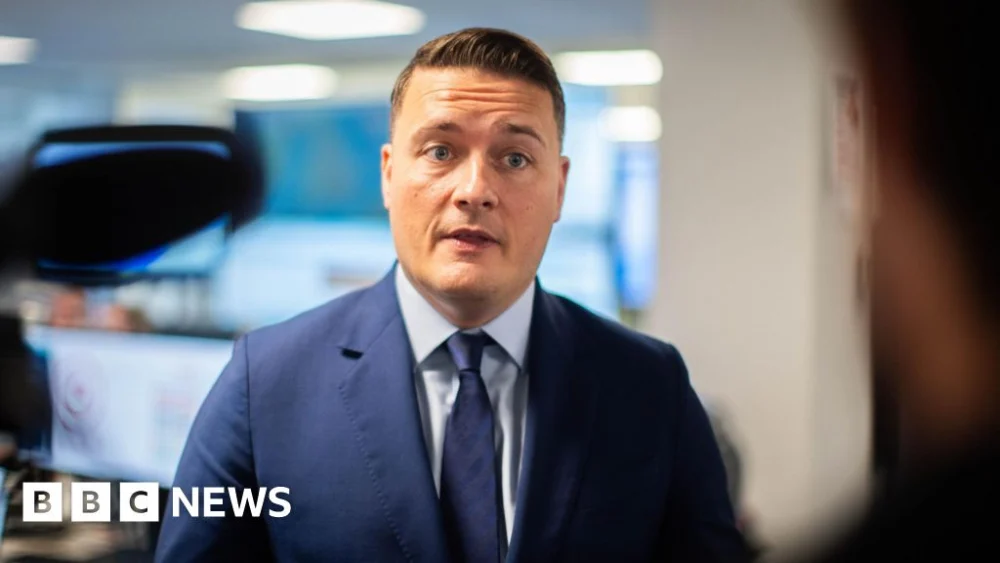
"Bereaved families in Leeds, supported by a coalition of MPs, are calling for Prime Minister Sir Keir Starmer to personally intervene in the stalled maternity care inquiry, citing a profound loss of faith in the Health Secretary’s handling. The delay in appointing a trusted chair and concerns over methodology threaten to undermine the entire investigation, which seeks answers for at least 56 potentially preventable infant deaths."
The integrity and efficacy of the promised independent inquiry into devastating maternity care failings at Leeds Teaching Hospitals NHS Trust hang precariously, as Health Secretary Wes Streeting acknowledges a significant erosion of trust among the bereaved families. Announced in October following a harrowing BBC investigation that uncovered at least 56 potentially preventable infant deaths over five years, the inquiry has yet to name a chair, sparking widespread concern and prompting families to appeal directly to Prime Minister Sir Keir Starmer. This critical juncture underscores the deep anguish of those who have lost children and highlights the imperative for a robust, transparent, and empathetic investigative process.
The original BBC investigation brought to light a pattern of systemic failures within Leeds’ maternity units, painting a grim picture of inadequate care, missed opportunities, and a lack of accountability that tragically contributed to dozens of infant fatalities. The subsequent announcement of an independent inquiry by Health Secretary Wes Streeting was initially met with a glimmer of hope, promising families the answers and justice they desperately sought. However, as months have passed without the appointment of a leader for the investigation, this hope has steadily transformed into frustration and profound disillusionment. Families, already grappling with unimaginable grief, now face the additional burden of battling for an inquiry they can truly believe in.
On Monday, Health Secretary Wes Streeting is scheduled to meet with some of the affected families, a meeting anticipated with a mix of trepidation and cautious expectation. Ahead of this crucial encounter, Streeting issued a public commitment, vowing to collaborate with families to rebuild confidence and ensure the inquiry delivers "the truth they deserved." He articulated his personal dedication to making the inquiry "thorough, independent, and [putting] families at its heart," acknowledging the devastating impact of losing a baby and the fundamental need for a process families can trust. His statements reflect an understanding of the immense courage displayed by these families in their pursuit of justice amidst unimaginable grief. Yet, for many, words alone are no longer sufficient; they demand decisive action.
The depth of families’ concern was starkly illustrated earlier this month when five Members of Parliament penned a forceful letter to Downing Street, explicitly stating that "Leeds families have lost faith and confidence in the Secretary of State for Health’s handling of this inquiry." This extraordinary intervention by elected officials underscores the gravity of the situation and the perceived inadequacy of the government’s response thus far. The letter specifically raised alarms about the prolonged delay in appointing a chair and the unsettling prospect of an "untested and unrefined methodology" being employed, which families fear could compromise the thoroughness and credibility of the investigation.
Central to the families’ appeal and the MPs’ letter is the fervent recommendation for senior midwife Donna Ockenden to chair the Leeds NHS Trust investigation. Ockenden is a figure of immense respect and trust within the healthcare community, currently leading a comprehensive inquiry into Nottingham maternity services, which is examining approximately 2,500 cases of alleged failings. Her unparalleled experience in navigating complex and sensitive maternity investigations, coupled with her demonstrated commitment to placing families at the core of such reviews, makes her the unequivocal choice for many. Ockenden herself has publicly affirmed her readiness, stating she is "ready to chair the review into Leeds maternity services and can begin work immediately if asked." This readiness stands in stark contrast to the perceived inertia from the Department of Health.
The letter to Downing Street, a copy of which was hand-delivered on 11 February by affected families, serves as a poignant symbol of their desperation and unwavering resolve. Among those who delivered the letter were Fiona Winser-Ramm and Dan Ramm, whose personal tragedy at Leeds General Infirmary in January 2020, with the death of their daughter Aliona, epitomizes the systemic failures being investigated. An inquest into Aliona’s death concluded that "a number of gross failures" directly contributed to her passing, a finding that amplifies the urgency and critical importance of a robust inquiry.
Fiona Winser-Ramm articulated the prevailing sentiment among the bereaved: "When we’ve met with the secretary of state, he is often saying the right things to us. But it isn’t translating into what is proposed for the inquiry by the Department of Health." This perceived disconnect between ministerial assurances and tangible progress lies at the heart of the current crisis of confidence. Families require not just sympathetic words, but concrete actions that demonstrate a genuine commitment to an independent, thorough, and family-centred investigation.
The broader context of maternity care failings across the National Health Service (NHS) further amplifies the urgency of the Leeds inquiry. High-profile investigations such as those at Morecambe Bay, Shrewsbury and Telford Hospital Trust, and the ongoing review in Nottingham have revealed deeply entrenched systemic issues, including insufficient staffing, inadequate training, a culture of blame, and a failure to listen to and learn from patient concerns. These inquiries have consistently highlighted the devastating human cost of such failings and the critical importance of independent oversight to drive necessary changes and ensure accountability.
The choice of inquiry chair and the methodology employed are not mere procedural details; they are fundamental to the credibility and ultimate success of the investigation. An "untested and unrefined methodology" raises serious concerns about the inquiry’s capacity to uncover the full truth, identify systemic root causes, and provide meaningful recommendations. Families fear that anything less than a rigorous, comprehensive, and truly independent process could result in a whitewash, denying them the closure and reassurance that lessons have been learned to prevent future tragedies. Donna Ockenden’s track record, particularly in Nottingham, demonstrates a methodology that prioritizes family engagement, forensic analysis of cases, and a fearless approach to identifying systemic deficiencies. Her leadership would signal a serious commitment to unearthing the truth, regardless of the discomfort it might cause.
The delays in launching the Leeds inquiry also inflict a heavy emotional toll on grieving families. Each passing day without a clear path forward prolongs their agony, deferring the prospect of answers and hindering their ability to move towards healing. The psychological burden of constant advocacy, fighting for an inquiry that should have been promptly established, is immense. It forces families to relive their trauma repeatedly, diverting energy and emotional resources that could otherwise be dedicated to their grieving process.
The call for Prime Minister Sir Keir Starmer’s intervention elevates this issue to the highest echelons of government, underscoring the perceived failure of the Department of Health to adequately address the crisis. It places direct pressure on the Prime Minister to demonstrate leadership and commitment to patient safety and accountability within the NHS. A direct intervention from the Prime Minister could swiftly resolve the stalemate regarding the inquiry’s leadership and methodology, sending a powerful message that the government prioritizes the needs of bereaved families and the safety of maternity services nationwide.
As the meeting between Health Secretary Wes Streeting and the affected families approaches, all eyes will be on the outcomes. For the families of the 56 babies whose lives were tragically cut short, and for all expectant parents reliant on the Leeds Teaching Hospitals NHS Trust, the resolution of this inquiry is paramount. It is not merely about finding answers for past tragedies, but about ensuring that every mother and baby receives the safe, compassionate, and high-quality care they deserve in the future. The credibility of the government’s commitment to patient safety, and its ability to rebuild trust where it has been so profoundly shattered, now hinges on its decisive action in establishing an inquiry that is truly independent, expertly led, and deeply rooted in the experiences of those it seeks to serve.
