
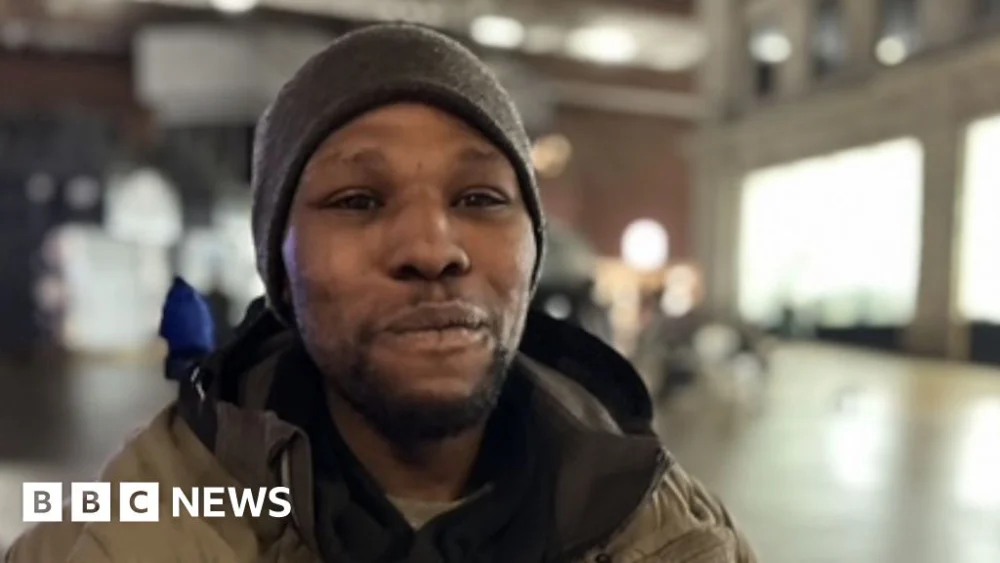
"England’s streets are witnessing a profound humanitarian crisis, with rough sleeping reaching its highest level since records began in 2010. This escalating challenge strains frontline services and exposes the urgent need for comprehensive national strategies to address the root causes of homelessness."
The stark reality of homelessness in England has reached a critical juncture, with government figures revealing a record number of individuals sleeping rough. This alarming increase underscores a deepening societal crisis, challenging existing support systems and demanding a more robust, integrated approach to housing and welfare. The data paints a grim picture of escalating vulnerability across the nation, placing immense pressure on charities and local authorities striving to offer a lifeline to those enduring life on the streets.
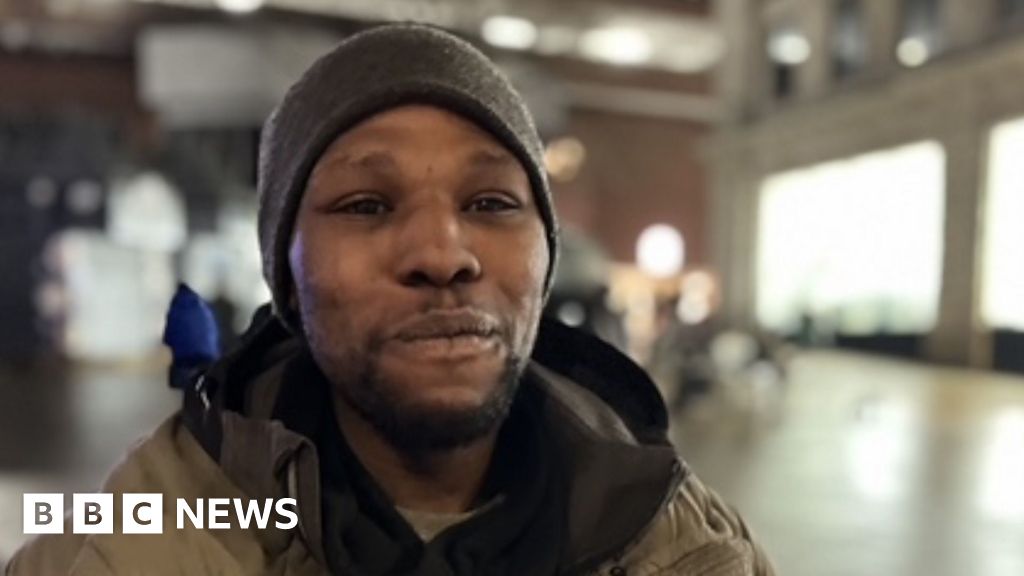
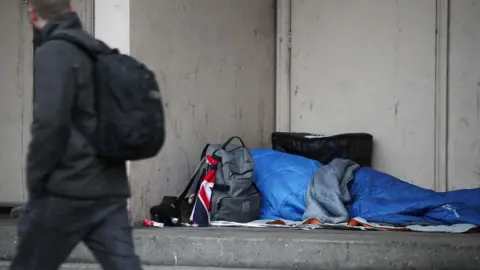
According to the latest snapshot figures released by the government, an estimated 4,793 people were found sleeping rough on a single night last autumn across England. This represents a concerning 3% increase from the previous year’s count in 2024, marking the highest level since official records commenced in 2010. The numbers reveal a disproportionate impact on men, with 3,938 male rough sleepers recorded, alongside a notable 8% rise in female rough sleepers, totaling 733. In 122 cases, the gender of the individual was not specified. These figures, while providing a crucial benchmark, are widely believed by homelessness charities to underestimate the true scale of the problem, as they only capture those visibly sleeping rough on a single night, often missing individuals in less visible locations or those engaged in "sofa surfing" or temporary, insecure arrangements.
The geographical distribution of this crisis highlights distinct regional pressures. London continues to bear the heaviest burden, reporting the highest absolute number of rough sleepers at 1,277. However, the most precipitous year-on-year increase was observed in the North East of England, where the rate of rough sleeping surged by a staggering 31% to 162 individuals. This regional disparity suggests a complex interplay of local economic conditions, housing market dynamics, and the availability of support services contributing to varying rates of homelessness across the country.
In response to the escalating crisis, the government has announced £50 million in funding to be distributed over three years to councils and frontline homelessness services. While any investment is welcomed, questions remain about the adequacy of this sum in tackling a problem of this magnitude and its effectiveness in addressing the systemic issues that lead to homelessness. The government’s stated aim is to halve "long-term rough sleeping" by 2030 and to prevent more households from becoming homeless in the first place, ambitious targets that will require sustained and significant effort beyond the allocated funding.
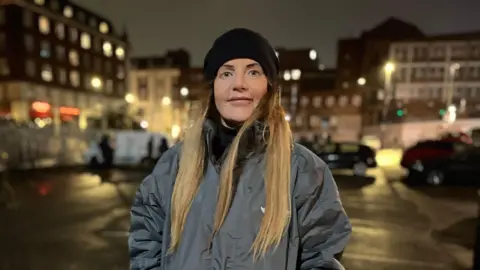
The human toll of these statistics is acutely felt on the ground by organisations like the Homeless Street Angels charity in Leeds. For the past seven years, co-founders Becky Joyce and her twin sister have been a beacon of hope, providing essential supplies such as food, shoes, sleeping bags, and blankets to rough sleepers. Each Thursday, their arrival is anticipated by dozens of people queuing for support, a testament to the surging demand for their services.
Becky Joyce, speaking in the biting February air, paints a stark picture of the escalating need. "It’s getting worse and worse, week in, week out," she laments, noting the disheartening prevalence of "a lot of new faces tonight." This observation underscores a cycle where efforts to house individuals are seemingly outpaced by the influx of newly homeless people onto the streets. The charity’s capacity has been stretched to its limits; they now prepare 240 food boxes weekly, double the amount from just three years ago. Despite this increased output, they frequently run out of meals less than halfway through their usual route across the city, leaving many in dire need without assistance.
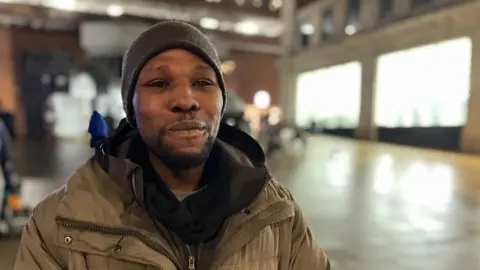
Behind every statistic lies a personal story of struggle and resilience. Josh, who has endured homelessness for over a year since losing his rented home, embodies the daily challenges faced by those on the streets. To secure a food parcel, he undertakes a two-hour walk into the city centre, preferring to find shelter outside the urban core where he feels a greater sense of safety, sleeping in a one-man tent beneath a bridge. His determination to escape this predicament is unwavering, as he actively seeks social housing. However, the absence of a mobile phone creates significant barriers, complicating communication with his social worker and hindering his ability to navigate the complex application process. "I’m going to keep sticking at it until I get a home," Josh asserts, his words a powerful testament to the human spirit’s enduring hope against overwhelming odds.
The Homeless Street Angels’ outreach extends beyond rough sleepers, supporting individuals who are "sofa surfing" or have recently transitioned into accommodation but still require assistance to maintain their stability. Gareth, 31, is one such individual whose life has been profoundly transformed by the charity’s intervention. Six months ago, after a year and a half on the streets, he made a conscious decision to seek help, approaching a local charity for support. His experience highlights the dual nature of public perception towards homelessness; while most encounters were marked by kindness, Gareth also endured critical comments and the theft of his meagre possessions during the night.
Securing a stable place to live has been nothing short of transformational for Gareth. "It makes you feel a better person," he reflects, underscoring the profound psychological and emotional uplift that comes with having a home. Charities recognise that merely finding accommodation is often only the first step. The subsequent, equally crucial battle is preventing individuals from returning to the streets. For Gareth, the support from Homeless Street Angels extends beyond material aid; he attends their outreach events as much for the mental health boost of seeing familiar, supportive faces and maintaining a sense of community as for the food parcel itself. This holistic approach to support is vital in fostering long-term stability and reintegration.
However, the capacity of grassroots organisations like Homeless Street Angels is finite. Becky Joyce highlights the relentless strain on their limited resources, noting regular requests from probation services for free sleeping bags and food parcels for individuals released from prison with no fixed abode. This points to a broader systemic issue where insufficient support structures for ex-offenders contribute directly to the homelessness crisis. In Leeds specifically, the number of rough sleepers has surged by 75% over the past three years, rising from 37 to 65. While the 2025 figure shows a slight decrease from the 69 recorded in 2024, the overall trend remains deeply troubling. "It’s only me and my twin sister," Becky Joyce expresses, conveying the immense personal sacrifice and the unsustainable burden placed on volunteers as the demand continues to grow.
The current figures for rough sleeping in England surpass the previous peak recorded in 2017, underscoring a persistent and worsening trend. The data also indicates a 5% year-on-year rise in the number of rough sleepers born in the UK, dispelling any misconception that the issue is solely tied to non-UK nationals. As charities frequently point out, the snapshot methodology used by the government, counting individuals on a single autumn night, inherently underestimates the true prevalence of homelessness. Many individuals are hidden from view, moving between temporary arrangements or sleeping in places not easily observed.
Further compounding the crisis, separate data published concurrently reveals that the number of families living in temporary accommodation has also reached a new high. Between July and September 2025, a staggering 134,760 households were housed in hotels, bed and breakfasts, and flats – an increase of 6.9% compared to the same period in 2024. Of these households, a deeply concerning 85,730 included children, highlighting the devastating impact of the housing crisis on the most vulnerable members of society. This form of "hidden homelessness" often involves families living in precarious, overcrowded, or unsuitable conditions, severely impacting children’s education, health, and overall well-being.
The escalating statistics for both rough sleeping and temporary accommodation paint a comprehensive picture of a national housing crisis that requires urgent and multifaceted intervention. Beyond emergency provisions, addressing the root causes demands sustained investment in affordable housing, robust social welfare safety nets, comprehensive mental health and addiction support, and effective pathways for individuals transitioning from institutions like prisons. Without a concerted, long-term national strategy that goes beyond reactive measures, the human cost of homelessness in England will continue to mount, challenging the very fabric of its society.
