
"True body recomposition is achieved not through localized exercises, but by maximizing systemic metabolic demand and managing the physiological impact of stress and nutrition."
While aesthetic goals are a primary motivator for entering the gym, the reduction of abdominal fat—specifically visceral fat—is a critical health imperative linked to the prevention of chronic metabolic diseases. Achieving a leaner physique requires a sophisticated understanding of how compound movements, caloric deficits, and hormonal balance interact to mobilize fat stores while preserving essential lean muscle mass.

The Biological Reality of Visceral Fat
The quest to lose "belly fat" is often framed as a matter of vanity, yet the medical implications are profound. Abdominal fat is categorized into two types: subcutaneous fat, which sits just under the skin, and visceral fat, which resides deep within the abdominal cavity, surrounding internal organs like the liver and intestines. While some visceral fat is necessary for organ protection and insulation, an excess is metabolically active in a way that is detrimental to health. It releases inflammatory cytokines and has been directly linked to an increased risk of type 2 diabetes, cardiovascular disease, stroke, and even certain types of cancer.
For the modern man, the "dad bod" may have gained cultural acceptance, but the physiological toll of carrying excess midsection weight remains unchanged. To effectively shed this weight, one must move beyond the myth of spot reduction and embrace a comprehensive strategy that prioritizes metabolic efficiency and total-body recruitment.
The Mechanics of Fat Loss: Deficits and Inefficiency
At its core, fat loss is governed by the laws of thermodynamics. A caloric deficit—where energy expenditure exceeds energy intake—is the non-negotiable starting point. However, the quality of that deficit determines whether the body burns fat or sacrifices muscle. To optimize this process, fitness experts like Ebenezer Samuel, C.S.C.S., advocate for a two-pronged approach to training: the use of compound movements and the exploitation of "metabolic inefficiency."
Compound exercises involve multiple joints and muscle groups working in unison. A squat, for instance, engages the hips, knees, and ankles, requiring the coordination of the quadriceps, hamstrings, glutes, and core. This high level of recruitment demands more energy, leading to a higher caloric burn both during and after the workout through a process known as Excess Post-exercise Oxygen Consumption (EPOC).
Furthermore, the body is a highly adaptive machine. When we perform the same movements repeatedly, our central nervous system becomes efficient at executing them, thereby burning fewer calories. By introducing movements that the body is "inefficient" at—such as crawling or complex multi-joint lifts—we force the metabolism to work harder to overcome the lack of practiced coordination.
The Essential Exercise Library for Metabolic Power
To erase stubborn fat, workouts must be designed for maximum impact. The following exercises are selected for their ability to build muscle, spike the heart rate, and challenge the body’s stability.

1. The Bear Crawl
The bear crawl is a developmental movement that many adults have long since abandoned. Because it requires the coordination of the entire posterior and anterior chains while maintaining a flat back, it is an exceptional tool for core stability and metabolic conditioning. It forces the heart to pump blood to both the upper and lower extremities simultaneously, rapidly increasing the heart rate.
2. The Pushup
While often viewed as a simple chest exercise, a properly executed pushup is a moving plank. It requires significant tension through the glutes and core to maintain a rigid torso, making it a compound movement that builds upper-body strength while taxing the midsection.
3. The Dumbbell Thruster
The thruster combines a front squat with an overhead press. This is a quintessential "multi-joint" exercise. By moving a weight from the floor to overhead in one fluid motion, the athlete utilizes the powerful muscles of the legs to drive the weight upward, creating a massive cardiovascular demand.

4. The Deadlift
Often called the "king of exercises," the deadlift targets the entire posterior chain. Building muscle mass in the glutes and back is one of the most effective ways to raise the Basal Metabolic Rate (BMR). The more muscle a body carries, the more calories it burns at rest, making the deadlift a long-term investment in fat loss.
5. The Burpee
Despite its unpopularity in many circles, the burpee remains an elite calorie torcher. It is a full-body plyometric movement that shifts the body from a horizontal to a vertical plane rapidly. The key is maintaining control to protect the wrists and shoulders while maximizing the explosive jump.
6. The Cardio Row
Rowing is one of the few cardiovascular activities that engages nearly every major muscle group. It emphasizes the "pull" of the legs and the stabilization of the core, which also helps correct the rounded-shoulder posture common in sedentary desk workers.

7. The Squat
Whether performed as a goblet squat or with a barbell, the squat is foundational. It hammers the lower body and builds the hormonal environment conducive to fat loss. Heavy squats trigger the release of growth hormone and testosterone, both of which play roles in body recomposition.
8. The Walking Lunge
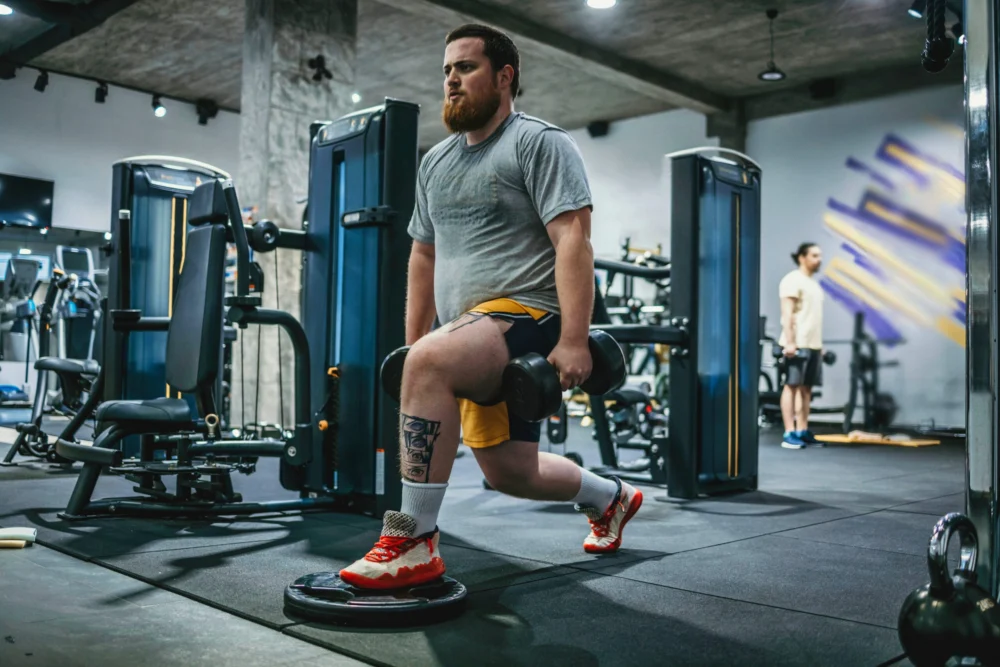
Lunges add a balance and stability component to leg training. By adding weight in a "racked" or "goblet" position, the core must work overtime to prevent the torso from leaning, turning a leg move into a total-body burner.
9. The Assault Bike
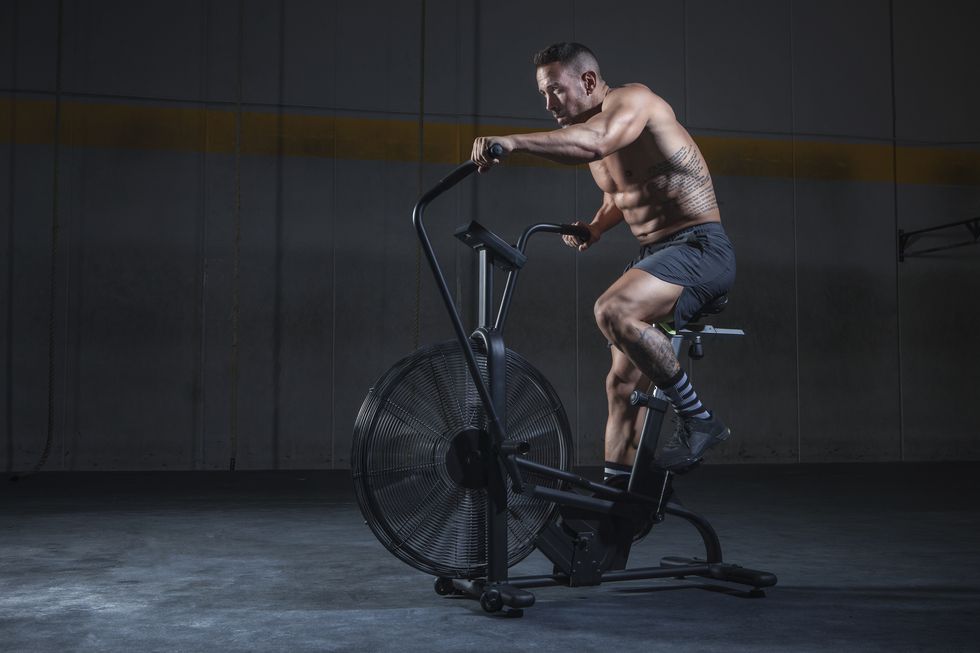
The air-resistance bike is unique because the harder you pedal, the more resistance it provides. Using both arms and legs creates a "total-body sprint" that is arguably the most intense form of metabolic conditioning available in a gym setting.

10. Kettlebell Swings
This is a ballistic movement that trains explosive hip extension. The swing requires the body to handle a "moving load," which forces the core to stay tense throughout the duration of the set to protect the spine.
11. The Dumbbell Snatch
The snatch teaches "triple extension"—the simultaneous straightening of the hips, knees, and ankles. This explosive power movement burns fat by requiring the body to move a weight quickly over a large distance.
12. Sprints
Sprinting is the ultimate bodyweight exercise. Unlike distance running, sprinting is an anaerobic activity that builds muscle while stripping fat. It requires immense core stability to maintain form under high velocity.

13. Sled Pushes
Sled pushes are highly effective because they are "concentric-only" movements, meaning they cause less muscle damage (soreness) while allowing for extremely high intensity. They are joint-friendly but metabolically exhausting.
14. Farmer’s Carry
The simple act of walking with heavy weights is a masterclass in functional strength. Loaded carries build the "work capacity" of the body, allowing an individual to train harder and longer in subsequent sessions.
15. Medicine Ball Slams
Slams allow for the expression of power in the downward direction. This engages the lats and the core while providing a psychological outlet for stress, which is itself a factor in fat retention.

16. Pullups
The pullup is the gold standard for upper-body pulling. By building the "V-taper" of the lats and shoulders, it creates the aesthetic of a smaller waist while requiring massive core engagement to prevent swinging.
17. The Push Press
Unlike a strict overhead press, the push press uses a "dip and drive" from the legs. This allows for heavier weights to be moved, increasing the total load the body must stabilize and process.
18. Bent Over Barbell Row
This move requires the athlete to hold a hinge position while pulling. The isometric hold required for the lower body combined with the active pull of the upper body makes it a total-body effort that builds a thick, metabolically active back.

The Myth of Spot Reduction and the Role of Stress
A common misconception in fitness is that performing abdominal exercises like crunches will "burn" the fat covering those muscles. Science has consistently debunked the concept of spot reduction. Fat mobilization occurs systemically; the body draws energy from fat stores across the entire body based on genetic and hormonal factors. Typically, fat is lost from the face and extremities before the midsection, requiring patience and consistency.
Furthermore, the role of stress—and the hormone cortisol—cannot be overstated. While exercise is a healthy form of stress, chronic overtraining combined with life stressors can lead to elevated cortisol levels. High cortisol is a known driver of visceral fat storage. This creates a paradox: if an individual pushes too hard without adequate recovery, their body may actually cling to belly fat as a survival mechanism.
Conclusion
Optimal fat loss is a symphony of smart movement, caloric management, and recovery. By focusing on high-impact compound exercises and understanding that the body must be treated as a single, integrated system, individuals can move past "stubborn" plateaus. The goal is not merely to be smaller, but to be stronger, more metabolically active, and more resilient against the diseases associated with visceral fat. Through consistent application of these principles, the transition from a "spare tire" to a high-performance physique becomes an achievable reality.
