

"For too long, the debilitating pain of endometriosis has been dismissed as ‘anxiety’ or ‘normal period pain,’ leaving millions of women to suffer for years, leading to devastating physical and psychological consequences, including infertility and organ damage."
Endometriosis, a chronic and often agonizing condition affecting an estimated 1.5 million women in the UK and one in ten globally, continues to be a medical mystery to many and a source of profound suffering for those afflicted. Despite its widespread prevalence, a new report by Endometriosis UK highlights a distressing reality: the average diagnosis time has surged to an alarming nine years and four months. This protracted delay, often exacerbated by medical dismissals and a lack of understanding, not only prolongs immense pain but frequently leads to severe complications, irreversible damage, and a significant deterioration in patients’ quality of life. The stories of Amy, Ami, Faye, and Mairead paint a vivid picture of this systemic failure, revealing a healthcare landscape where women’s pain is consistently undervalued and misunderstood.

The Devastating Delay: A Decade of Misdiagnosis and Medical Gaslighting
Amy Peckham-Driver’s harrowing journey began at just 14 years old when period pain so severe it caused her to pass out in a school toilet. Despite her own suspicions about endometriosis, doctors dismissed her concerns, stating she was "too young" for the condition—a common, yet medically unfounded, misconception that often delays diagnosis in adolescents. Instead, she was prescribed the contraceptive pill, a symptomatic treatment rather than a diagnostic or curative one. For over a decade, Amy battled increasingly debilitating symptoms, a period she describes as being "medically gaslit." This term aptly captures the insidious experience of having one’s own pain and deteriorating health consistently invalidated by medical professionals, leading to profound psychological distress on top of physical suffering.
By the age of 27, Amy’s condition had progressed dramatically. She was finally diagnosed with deep infiltrating endometriosis, a severe form where endometrial-like tissue invades multiple pelvic organs, including the bowel and bladder. A surgeon’s stark remark that her pelvis "looked like a bomb had gone off" inside vividly illustrates the extent of the internal damage caused by years of undiagnosed and untreated disease. Endometriosis occurs when tissue similar to the lining of the womb (the endometrium) grows outside the uterus, attaching to organs such as the ovaries, fallopian tubes, bowel, or bladder. Unlike menstrual blood, this displaced tissue has no way to exit the body, leading to inflammation, scar tissue formation, adhesions (where organs stick together), and excruciating pain. Its symptoms are diverse and debilitating, including severe pelvic pain, heavy and irregular periods, chronic fatigue, painful intercourse, digestive issues resembling Irritable Bowel Syndrome (IBS), and difficulty conceiving.

Despite multiple surgeries, including a costly private procedure, Amy’s endometriosis continues to grow. The most devastating consequence of her delayed diagnosis came when she and her partner sought IVF after freezing her eggs years prior. They were rejected because her egg supply was critically low, a direct result of the surgical interventions necessitated by years of untreated endometriosis. "That feels like the ultimate slap in the face because the NHS inadvertently caused my infertility," Amy laments, highlighting a tragic, avoidable outcome. Now facing the severe risks of bowel obstruction and potential kidney failure, Amy is considered an urgent case but remains trapped on a surgery waiting list, feeling "left to rot" by the very system meant to protect her health. Her plea for better GP training and increased research underscores the urgent need for a paradigm shift in how endometriosis is perceived and managed.
Beyond Painful Periods: The Economic and Mental Health Toll
Ami Clarke, 28, from Leighton Buzzard, echoes Amy’s struggle, having endured endometriosis symptoms since age 13 but receiving a diagnosis only a decade later. Her experience illustrates another pervasive issue: the dismissal of severe menstrual pain as "normal." Ami’s repeated visits to her GP were met with inadequate solutions. At 18, she was advised to "try getting pregnant to see if it helps"—an outdated and harmful recommendation that preys on the vulnerability of young women desperate for relief. This advice, often rooted in historical misconceptions about pregnancy "curing" endometriosis, not only fails to address the underlying condition but can also lead to significant emotional distress and ethical concerns.

Ami cycled through six different contraceptive pills, none of which alleviated her "unbearable pain" for up to 18 days a month. The relentless pain took a severe toll on her mental health and professional life, forcing her to leave an office job after just ten months due to an inability to focus. While a Mirena coil offered some relief from bleeding, the pain persisted. Ultimately, Ami resorted to a laparoscopy in 2021, a keyhole surgical procedure that allows surgeons to visually diagnose and remove endometrial lesions. While this provided temporary relief, the pain eventually returned, prompting her to pay £10,000 for private robotic surgery last May. This significant financial burden highlights the desperation many women face when public healthcare systems cannot provide timely or adequate care. Ami’s improved condition post-surgery is, however, temporary, as endometriosis is known to recur, forcing her to save for yet another operation. Her advocacy emphasizes a critical shift in understanding: endometriosis is not just "painful periods" but a "full-body inflammatory disease" with systemic impacts.
Challenging Misconceptions: Fertility, Dismissal, and Advocacy
Faye Ramsey, 31, from Ipswich, exemplifies the struggle against entrenched medical misconceptions. When she collapsed with severe stomach pain eleven years ago, doctors dismissed it as IBS or stress, explicitly stating it "could not be endometriosis" because she had two children. This highlights a dangerous myth: that having given birth somehow grants immunity from endometriosis. In reality, while some women with endometriosis experience infertility, many do not, and the condition can develop or persist regardless of reproductive history. This misconception often leads to further delays in diagnosis for mothers, who are wrongly excluded from consideration.
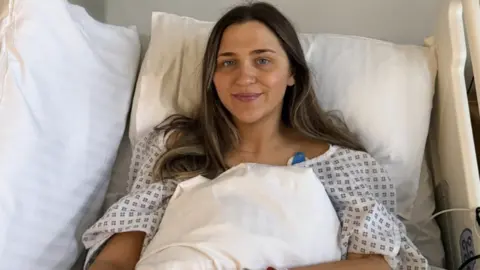
Faye, too, was given various contraceptives that proved ineffective. The psychological impact of medical dismissal was stark during her laparoscopy last March. Her surgeon’s pre-procedure remark, "I can’t wait for you to wake up and me tell you that I didn’t find anything because we’re not going to find endometriosis," reduced her to tears. The profound imbalance of power in such situations often prevents patients from challenging their doctors, even when they feel unheard or disrespected. Post-surgery, the surgeon admitted finding endometriosis but downplayed it as "only a small patch." Subsequent scans, however, revealed extensive endometriosis with adhesions on her bowels, directly contradicting the initial assessment and underscoring the inadequate nature of many diagnostic and treatment approaches. Faye’s pain affects her daily life and parenting, leaving her with little energy and a profound sense of not being "good enough" for her children. Driven by this despair, she is actively collecting women’s health stories to present to the government, vowing to speak to the health secretary to demand systemic changes, including comprehensive education about the condition in schools and a move beyond merely prescribing contraceptives.
A Life Interrupted: Geographical Challenges and Resilience
Mairead Morgan, 41, from Omagh, County Tyrone, now residing in Manningtree, Essex, experienced symptoms from the age of 11 but endured a staggering 27-year wait for a diagnosis. Her story highlights the additional hurdle of geographical mobility; each time she moved for work across the UK, she found herself "back to square one" with new doctors, losing valuable continuity of care and having to re-advocate for herself repeatedly. This fragmented healthcare experience is a significant barrier for many patients with chronic conditions.

A ruptured cyst finally led to a laparoscopy and the removal of some endometriosis, offering temporary relief. However, Mairead still suffers severe pain during flare-ups, which have been exacerbated by perimenopause—a stage in a woman’s life when hormonal fluctuations can significantly impact existing conditions like endometriosis. Despite the physical challenges, Mairead, an architectural technologist, describes herself as "a very ambitious and driven Irish woman" who has "powered through," finding solace in yoga and cold water swimming, and using knitting during flare-ups to distract herself from the pain. Her experience underscores the immense resilience required to navigate life with endometriosis, even as it profoundly impacts careers and daily activities, swinging from periods of normalcy to "debilitating pain, almost needing hospital intervention, within a few days."
A Systemic Failure and Urgent Calls for Reform
The individual stories are not isolated incidents but symptoms of a larger systemic crisis in women’s healthcare. Endometriosis UK’s report paints a bleak picture, with 39% of respondents visiting their GP 10 or more times before endometriosis was even suspected, and a shocking 46% of hospital attendees being sent home without treatment. Emma Cox, chief executive of Endometriosis UK, unequivocally states that endometriosis care has been "neglected for too long," leading to years of pain and uncertainty, with the situation demonstrably worsening.
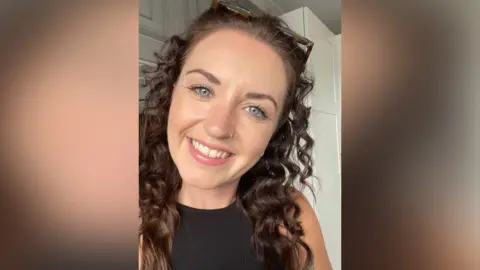
The charity’s findings serve as a stark indictment, demanding "urgent need not only for increased awareness and understanding of endometriosis and menstrual health among healthcare providers, but for this to be translated into action." They call for governments across the UK to recognize endometriosis as a "common, chronic condition that requires systematic action," and are pushing for an "unequivocal commitment to reduce average diagnosis time to one year or less by 2030." This ambitious target reflects the critical need for immediate and comprehensive change.
In response, a spokesperson for the NHS acknowledged that the experiences of many women with endometriosis "aren’t good enough," and that many are "waiting for too long before they get adequate diagnosis and treatment." The NHS stated it is supporting local areas to implement "better and more convenient services" and emphasized that "Medical professionals, including GPs, should follow NICE (National Institute for Health and Care Excellence) guidelines to diagnosing endometriosis." They also highlighted the availability of "specialist care for menstrual problems and endometriosis through women’s health hubs, which are available in most areas."
While these acknowledgments are a step, critics argue that the pace of change is too slow and the existing infrastructure often insufficient. The gap between guidelines and their consistent implementation, coupled with a lack of adequately trained specialists and resources, continues to leave millions of women in a prolonged state of agony and uncertainty. The collective voices of Amy, Ami, Faye, and Mairead, and countless others, serve as a powerful testament to the urgent need for a healthcare system that genuinely listens, believes, and acts upon women’s pain. Without fundamental changes in education, research, and clinical practice, the silent epidemic of endometriosis will continue to devastate lives across the nation.
