
"The simple act of crafting a reusable period pad transcends a mere humanitarian gesture; it is an immersive experience designed to foster profound empathy and ignite global conversations about the silent crisis of period poverty affecting millions."
This powerful initiative, spearheaded by Milton Keynes-based humanitarian charity World Vision UK, aims to shed light on the pervasive issue of period poverty by encouraging individuals to engage directly with a solution. The "Post Your Pad" campaign invites people to create their own reusable menstrual pads, mirroring the ingenious methods employed by communities in Tanzania, thereby building solidarity and understanding for the 500 million women and girls globally who lack access to safe and adequate menstrual hygiene facilities.
Period poverty, a debilitating global challenge, extends far beyond the mere lack of sanitary products. It encompasses a multifaceted crisis where women and girls are unable to afford or access essential menstrual hygiene products, as well as adequate sanitation facilities and education. The consequences are dire, impacting health, education, economic participation, and overall dignity. Without proper menstrual hygiene management, individuals face increased risks of infection, discomfort, and social ostracization. Girls frequently miss school during their periods, leading to significant educational setbacks, while women may struggle to maintain employment or participate in community life, perpetuating cycles of inequality and poverty.
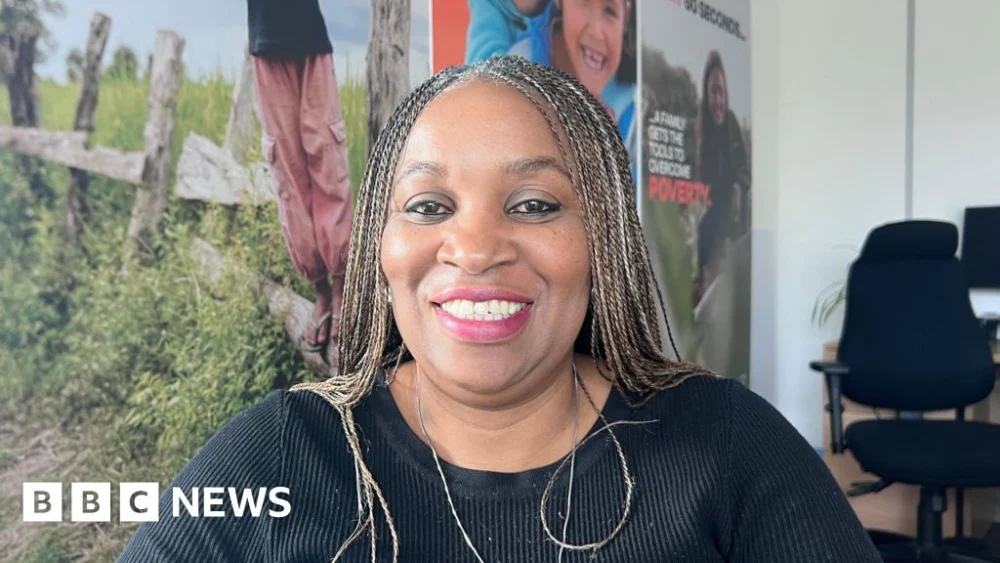
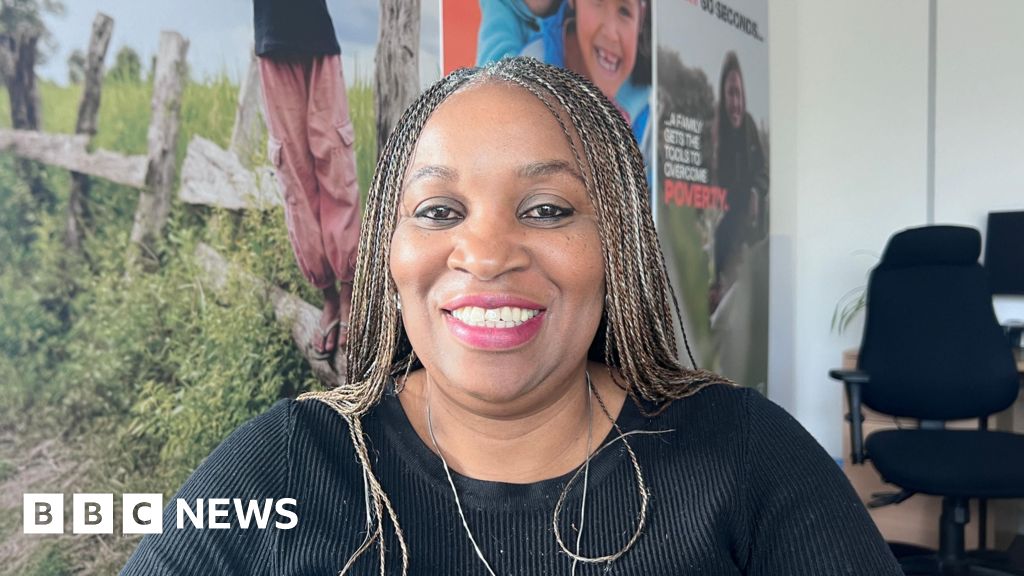
World Vision UK’s chief executive, Fola Komolafe, recently underscored the severity of this issue following a trip to South Sudan, where the cost of a single packet of period pads can skyrocket to approximately £20. Such exorbitant prices render essential hygiene products unattainable for the vast majority, forcing women and girls to resort to unhygienic and often unsafe alternatives. This stark reality contrasts sharply with the ease of access often taken for granted in more affluent nations, highlighting the profound disparities in fundamental human needs.
The "Post Your Pad" campaign draws inspiration from the resourceful communities in Tanzania, West Africa, where necessity has long driven innovation. Faced with limited resources and economic constraints, these communities have developed sustainable methods for crafting reusable menstrual pads from readily available local materials. This approach not only addresses the immediate need for hygiene products but also fosters self-sufficiency and environmental responsibility by reducing waste. These handcrafted pads, typically made from cotton and an absorbent towel-like material, offer a dignified and practical solution, allowing women and girls to manage their periods hygienically and with confidence.
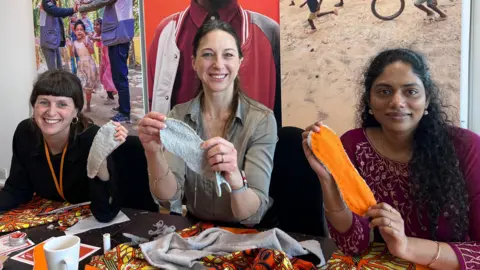
Komolafe articulated the core philosophy behind the campaign, stating her desire for participants to "experience what it’s like to make a sanitary towel" to cultivate a deeper understanding of the challenges faced by those who "can’t go to the store and get the branded products that sometimes we take for granted." This experiential learning approach aims to translate abstract statistics into tangible empathy. By engaging in the physical act of creating a pad, participants can connect with the ingenuity, resilience, and daily realities of women and girls in resource-scarce environments. The campaign encourages participants to share images of their creations online, transforming personal crafting into a collective statement of support and a powerful visual testament to solidarity.
To facilitate participation, World Vision UK provides comprehensive tools and materials, along with detailed guides that replicate the instructions used by communities in Tanzania. This ensures authenticity in the crafting process and a direct connection to the global communities the campaign seeks to support. The initiative, strategically launched ahead of International Women’s Day, also intentionally highlights the critical interplay between menstrual hygiene and access to clean water and sanitation (WASH facilities). Effective menstrual hygiene management is inextricably linked to the availability of clean water for washing pads and proper sanitation infrastructure for disposal or cleaning. In many parts of the world, inadequate WASH facilities compound the challenges of period poverty, creating a vicious cycle of poor health, indignity, and limited opportunities.
Komolafe passionately advocates for the power of conversation, urging families to "stitch one [period pad] as a family and have a conversation." She envisions these intimate discussions as catalysts for broader action, inspiring individuals to support girls and women facing period poverty at local, national, and international levels. This emphasis on dialogue is crucial for dismantling the pervasive stigma and taboo surrounding menstruation, which often prevents open discussion and hinders progress in addressing period poverty.
The issue of period poverty is not confined to developing nations; it is a significant concern within the UK itself. World Vision UK highlights that three in ten girls in the UK lack access to essential menstrual hygiene products, underscoring the universality of this challenge. This statistic serves as a poignant reminder that while the severity and manifestations of period poverty may vary, the underlying lack of access and dignity is a shared global experience.
The campaign has garnered significant praise from other charities working in the field. Jenny Head, the current lead of the Milton Keynes-based period poverty charity Girl Pack, lauded World Vision UK’s initiative as "fantastic," expressing gratitude for its role in spotlighting "one of the forgotten poverties." Head emphasized that period poverty is an issue that "can be dealt with – we need more people to talk about it." This endorsement from a local charity reinforces the collaborative spirit needed to tackle such a widespread and deeply entrenched problem. It also highlights the recognition that while the "Post Your Pad" campaign offers a unique, empathetic entry point, it aligns with the broader goals of organizations dedicated to ensuring menstrual equity.
In a world where millions still face the indignity and health risks associated with inadequate menstrual hygiene, campaigns like "Post Your Pad" serve as vital mechanisms for fostering awareness, empathy, and practical solutions. By connecting individuals in affluent nations with the realities and resilience of communities in places like Tanzania, World Vision UK is not only providing a pathway to understanding but also mobilizing a global community committed to ending period poverty. The act of crafting a reusable pad becomes a powerful symbol of solidarity, a tangible step towards ensuring that every woman and girl, regardless of her circumstances, can manage her period safely, hygienically, and with the dignity she deserves. This collective effort, driven by empathy and conversation, holds the potential to transform lives and advance the cause of gender equality worldwide.
