
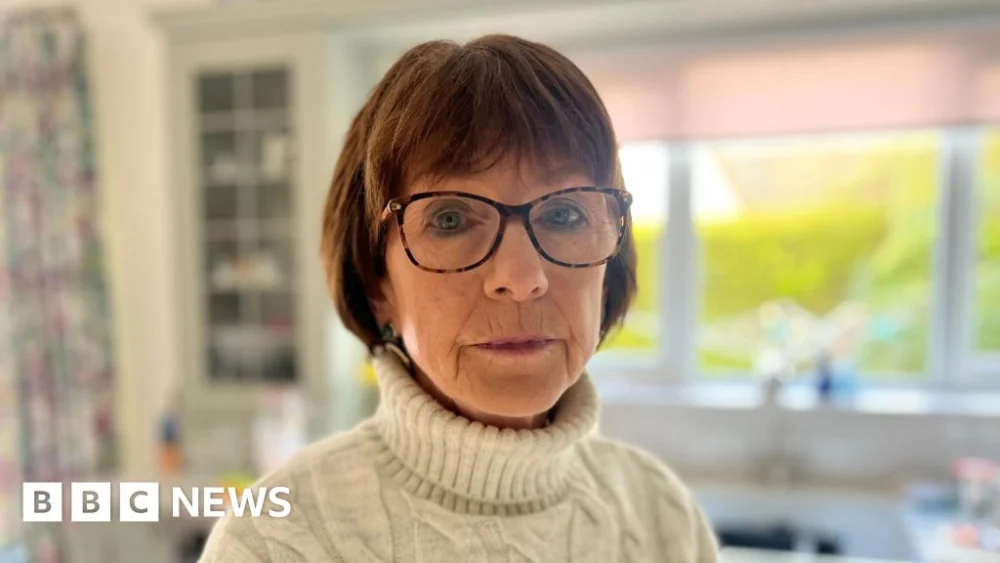
"Our daughter died in her sleep, with no warning, from a condition linked to epilepsy that she was never told about. This preventable tragedy underscores an urgent need for healthcare systems to proactively inform patients and families about Sudden Unexpected Death in Epilepsy (SUDEP) and its risk reduction strategies."
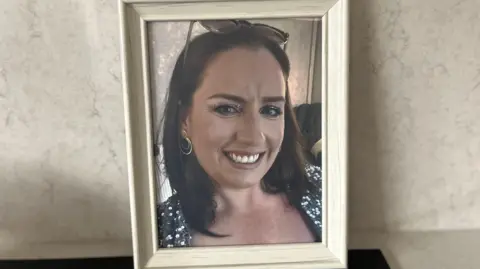
The unexpected death of 41-year-old Nicola Burns from Sudden Unexpected Death in Epilepsy (SUDEP) has ignited a powerful call for change from her grieving family. Nicola, who had managed epilepsy for years with seemingly controlled nocturnal seizures, succumbed to the condition in her sleep, leaving her mother Jo-Ann Burns and sister Catriona heartbroken and feeling "robbed." The family’s anguish is compounded by the revelation that Nicola was never explicitly warned about SUDEP, a critical piece of information that they believe could have altered her fate and spared them immense pain. Their poignant story highlights a systemic failure in patient education and the pressing need for healthcare providers to ensure comprehensive communication regarding the risks associated with epilepsy, particularly the often-overlooked and devastating reality of SUDEP.
Nicola Burns’ life was vibrant and full, despite her diagnosis of nocturnal seizures in her twenties. Her mother, Jo-Ann Burns, describes her as a cherished daughter and best friend, a woman who lived life to the full, rarely showing overt signs of illness. Her epilepsy seemed manageable; she diligently took her medication, which was reviewed periodically, and only on rare occasions required hospitalisation after a seizure. This apparent stability, however, fostered a false sense of security for Nicola and her family, making her sudden death all the more shocking. "We became too complacent about the illness," Jo-Ann candidly admits, expressing profound regret that their understanding of epilepsy lacked the crucial awareness of SUDEP. Had they known, she asserts, they would have been far more vigilant and proactive in mitigating potential risks.
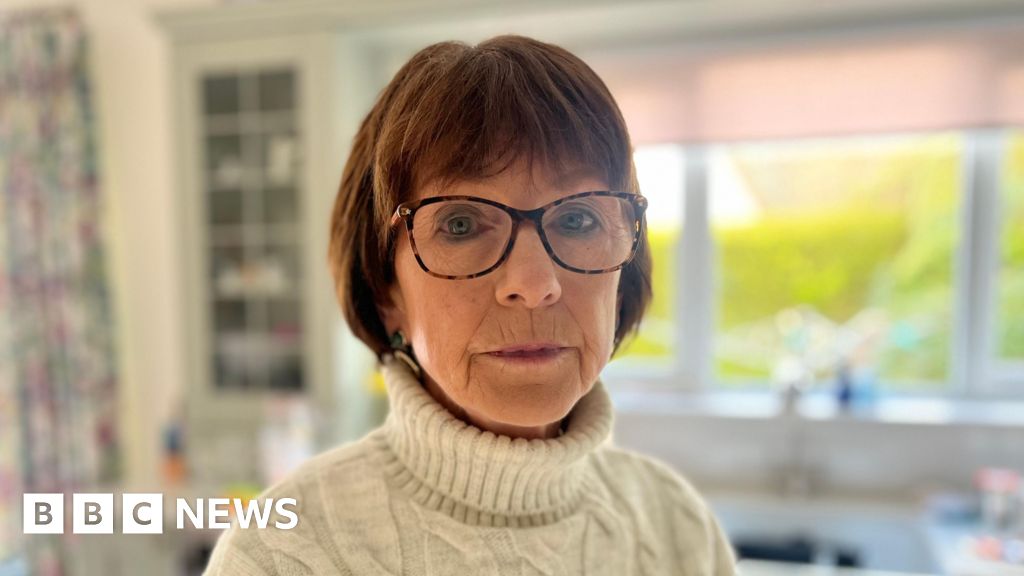
Catriona Burns, Nicola’s sister, echoes this sentiment of disbelief and profound loss. "I loved her to bits, she was my big sister who did everything for all of us," Catriona shares, her voice heavy with grief. The memory of their last conversation, filled with laughter and plans, only intensifies the nightmare. Nicola had been in great spirits at a work event in London the night before her death, sharing pictures and stories of enjoying a cocktail. The stark contrast between this joyful memory and the sudden, silent end to her life is a torment. Catriona emphasizes, "We probably underestimated it because Nicola lived life to the full and was rarely ill, in fact I never witnessed an epileptic fit." This perceived normalcy of her sister’s condition, coupled with the complete absence of information about SUDEP, has left Catriona believing the situation "could have been prevented, if we’d known about the condition."
Understanding Sudden Unexpected Death in Epilepsy (SUDEP)
SUDEP is a tragically under-recognised cause of death, affecting approximately one in 1,000 people with epilepsy each year, making it the leading cause of death in individuals with uncontrolled epilepsy. It refers to the sudden, unexpected, non-traumatic, and non-drowning death in individuals with epilepsy, where a post-mortem examination fails to reveal any other cause of death. The exact mechanisms are not fully understood, but it is widely believed that SUDEP occurs either during or immediately following a seizure, primarily due to problems with the person’s heart, breathing, or brain function.
Several factors are thought to contribute to SUDEP risk. The most significant risk factor is uncontrolled, frequent tonic-clonic (grand mal) seizures, particularly those occurring during sleep. Nocturnal seizures, like those Nicola experienced, are especially concerning because they often go unwitnessed, making intervention impossible. Symptoms of nocturnal seizures can include sudden awakening with confusion, thrashing, violent movements, screaming, or waking up on the floor with no memory of the event. While most seizures pass without severe complications, they can lead to injury or, in rare cases, trigger the physiological cascade that results in SUDEP. Other risk factors include a long history of epilepsy, polytherapy (taking multiple anti-seizure medications), and potentially male gender and young adult age. Conversely, consistent adherence to anti-seizure medication (ASM) and achieving seizure control are the most effective ways to reduce the risk of SUDEP.
Systemic Failures and Disappointing Responses
The Burns family’s ordeal extended beyond the initial shock of Nicola’s death. An inquest into her passing in May 2025 revealed concerning lapses in her care. The coroner specifically questioned why SUDEP had not been discussed with Nicola and why an annual review by the South Eastern Health Trust had not taken place. In correspondence seen by the BBC, the Trust admitted that Nicola’s annual review was missed due to "capacity issues." While the Trust expressed its "deepest condolences" to the family and stated that an advice document including a section on SUDEP has since been created for patients, the family found this response "disappointing."
Further compounding their distress, the family was informed that SUDEP is typically discussed at the time of diagnosis. As Nicola had been diagnosed while living in England, specifically at The Walton Centre in Liverpool, the responsibility for this initial discussion was attributed there. However, The Walton Centre’s response was equally ambiguous, confirming "no written confirmation" that SUDEP had been raised with Nicola. Their letter stated, "It is therefore not clear whether this was discussed with her and not documented but we have not clearly documented this." This lack of clear documentation and communication across different healthcare providers highlights a critical systemic flaw. Jo-Ann Burns is left with the agonizing question: "Would the outcome have been different if Nicola had been reviewed as planned?" This unresolved query underscores the devastating impact of fragmented care and inconsistent information sharing on patient outcomes and family well-being.
Advocacy for Awareness: The ‘Cliff Edge Condition’
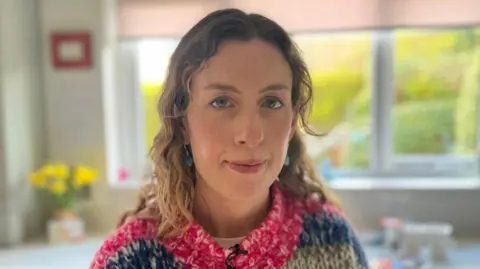
Driven by their profound loss and the desire to prevent other families from enduring similar pain, the Burns family reached out to the charity SUDEP Action. They discovered a disheartening pattern: countless families had only learned about the condition after their loved ones had died. Jane Hanna, Chief Executive of SUDEP Action, powerfully describes epilepsy as a "cliff edge condition." She explains, "While some people may seem really well, if their epilepsy is out of kilter, there is this risk of sudden death." Hanna stresses that patients and their families need to be "armed with information" because many SUDEP deaths are potentially preventable with greater awareness and proactive management.
SUDEP Action provides vital resources and support, including a digital app and a checklist for patients to track symptoms, understand personal risks, and implement strategies to lower them. Their advocacy centres on empowering individuals with epilepsy and their caregivers to engage actively with their healthcare providers about all aspects of their condition, including the less comfortable truths like SUDEP. This proactive approach includes discussing medication adherence, seizure triggers, and the importance of regular medical reviews.
Preventing SUDEP: Guidelines and Best Practices
National health bodies, such as the National Institute for Health and Care Excellence (NICE), explicitly recommend that clinicians discuss the risk of SUDEP with individuals who experience seizures during sleep, and, where appropriate, include their families and carers in these conversations. These discussions should be an integral part of ongoing epilepsy management, not a one-time event at diagnosis, especially given that a patient’s risk profile can change over time.
Effective management strategies to reduce SUDEP risk involve a multi-faceted approach. Foremost is optimal seizure control through consistent adherence to anti-seizure medications (ASM). Regular medication reviews are crucial to ensure dosages are effective and side effects are managed. Beyond medication, lifestyle factors play a significant role. Maintaining a consistent sleep schedule is vital, as sleep deprivation can be a seizure trigger. Avoiding excessive alcohol intake and managing stress are also important.
For individuals at higher risk, particularly those with uncontrolled nocturnal seizures, using seizure monitors can be a life-saving intervention. These devices can detect seizure activity and alert family members or caregivers, allowing for timely intervention. Furthermore, patients and families should be educated on emergency protocols, including what to do during a prolonged seizure and when to call for immediate medical help. Comprehensive, personalised risk assessments should be conducted during annual reviews, and these discussions, including the topic of SUDEP, must be meticulously documented in patient records to ensure continuity of care across different health services.
The tragic death of Nicola Burns serves as a stark reminder of the critical importance of open, honest, and comprehensive communication in healthcare. Her family’s courage in speaking out, even amidst their profound grief, offers a beacon of hope that Nicola’s legacy will be one of increased awareness, improved patient education, and ultimately, the prevention of similar avoidable tragedies. Their call for action is a powerful plea for all healthcare providers to ensure that no patient with epilepsy, or their family, remains unaware of the silent threat of SUDEP.
