
"Modern sleep trackers have evolved from simple motion sensors into sophisticated bio-monitors, offering longitudinal insights that help individuals align their lifestyles with their biological needs. While these devices provide a powerful window into our nocturnal habits, their greatest value lies in identifying long-term trends rather than providing medical diagnoses."
The pursuit of the perfect night’s sleep has shifted from a passive hope to an active, data-driven discipline. As the "sleep economy" continues to expand, the technology used to monitor our rest has moved beyond basic pedometers to include high-end jewelry, neuro-stimulating headbands, and temperature-controlled mattress covers. This evolution represents a fundamental shift in how we perceive health, moving toward a model of continuous monitoring where the data collected during our eight hours of shut-eye is considered just as vital as the steps we take during the day.

The Rise of the Biological Wearable
In the current landscape of health technology, the distinction between a "gadget" and a "wellness tool" has blurred. Leading this charge is the Oura Ring 4. Priced at $349, this device represents the pinnacle of miniaturized sensing. With 18 internal sensors, the Gen 4 iteration is designed to provide clinical-grade accuracy in a form factor that feels more like high-end jewelry than a computer. By tracking heart rate, heart rate variability (HRV), blood oxygen levels (SpO2), and skin temperature, it distills complex physiological data into a "Readiness Score."
This metric has become a cornerstone of the wearable industry, providing users with a daily recommendation on whether to push their limits or prioritize recovery. The Oura’s minimal footprint is its greatest asset; unlike bulky smartwatches, the ring blends into daily life, though its small size does make it prone to being misplaced. For those who find wrist-based trackers intrusive, the Oura offers a sophisticated alternative that has even garnered high-profile fans like Prince Harry.
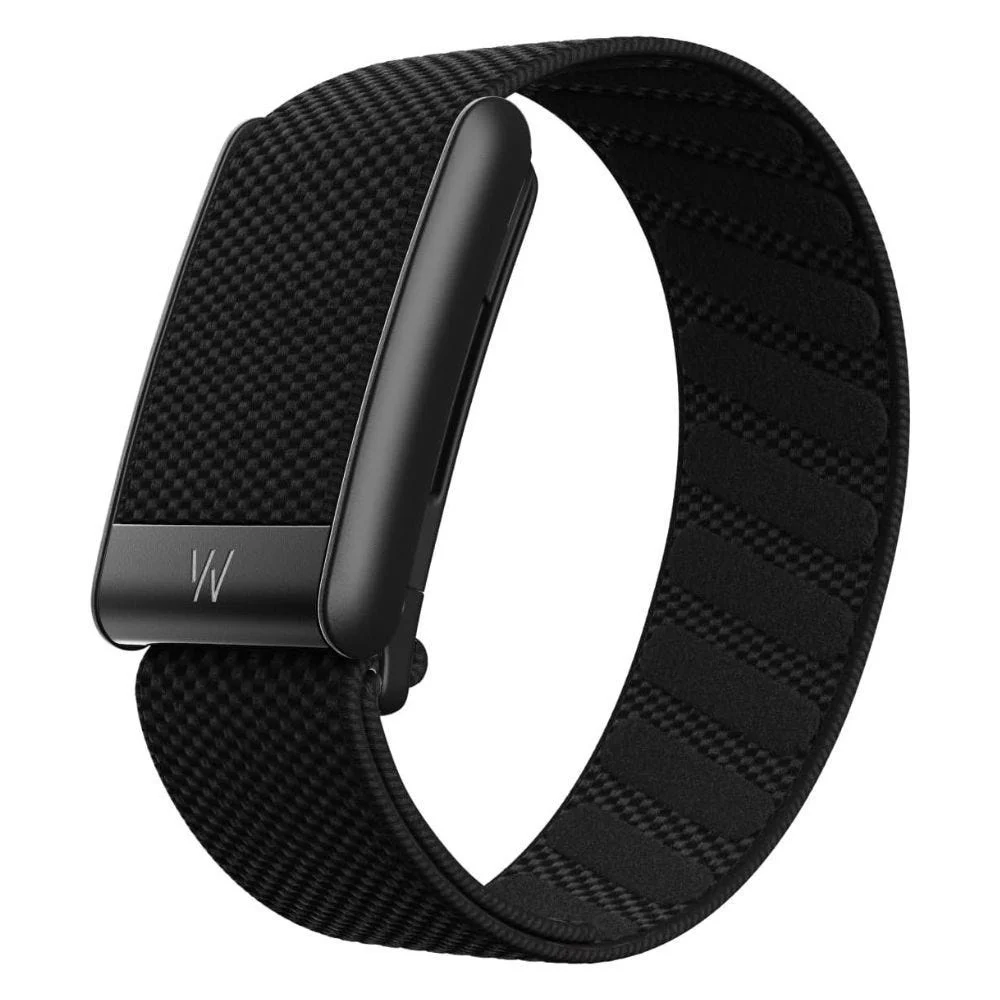
Conversely, for those who prefer the traditional wristband but want to avoid the distractions of a digital screen, the Whoop 5.0 ($199 with a subscription model) offers a "distraction-free" approach to wellness. The Whoop 5.0 utilizes a combination of optical heart rate sensors and accelerometers to track daily "Strain" and nightly recovery. Its lack of a screen is a deliberate design choice, emphasizing that the device is a passive collector of data rather than another source of notification fatigue. The Whoop is particularly favored by athletes for its "Sleep Coach" feature, which advises exactly when to go to bed based on the day’s physical exertion and the user’s chronic sleep debt.

Mainstream Integration and the Smartwatch Factor
For the average consumer, the entry point into sleep tracking often begins with the device already on their wrist. The Apple Watch Series 11 ($299) remains a dominant force in this space due to its seamless integration with the broader Apple Health ecosystem. Using its built-in motion and heart rate sensors, the watch categorizes sleep into REM, Core, and Deep stages.
While Apple’s approach is more conservative—focusing on core metrics rather than experimental data—its convenience is unmatched for those already in the iOS ecosystem. However, the perennial challenge for the Apple Watch remains battery life. Because the device requires daily charging, users must often find a window during the morning or evening to power up, creating potential gaps in their 24-hour health data.
On the more affordable end of the spectrum, the Fitbit Inspire 3 serves as a vital entry point for beginners. It strips away the complex "bells and whistles" of its competitors to focus on the essentials: heart rate, movement, and duration. While some advanced analytics are locked behind a Fitbit Premium subscription ($9.99/month), the device itself offers high value for those who want to understand their basic sleep patterns without a significant financial investment.

Active Intervention: Beyond Passive Monitoring
A new frontier in sleep technology is moving from passive recording to active intervention. The Elemind Sleep Headband ($399) is a prime example of this shift. Rather than just telling you how poorly you slept, the Elemind uses built-in sensors to detect brainwave patterns and applies gentle audio stimulation to guide the brain into sleep-ready rhythms. This "acoustic stimulation" is designed to quiet the "racing thoughts" often associated with bedtime anxiety, potentially shortening the time it takes to fall asleep.
Similarly, the Soundcore Sleep A30s earbuds tackle a different barrier to rest: environmental noise. While traditional earbuds are bulky and uncomfortable for side sleepers, the A30s are designed to sit flush within the ear. They combine basic sleep stage tracking with sophisticated noise-masking technology, allowing users to drown out disruptions like snoring partners or city traffic with curated soundscapes. For many, the ability to actively block out the world is more beneficial than the data itself.
The "Set It and Forget It" Solutions
For a segment of the population, "wearable fatigue" is a real barrier. The idea of charging a ring or wearing a headband to bed is simply unappealing. This has given rise to mattress-based sensors that require no physical contact with the user. The Withings Sleep Mat is a thin pad that slides under the mattress, tracking heart rate, respiration, and even snoring through ballistocardiography (the measurement of the body’s micro-movements caused by the heartbeat). It is a one-time purchase with no subscription, making it one of the most cost-effective and unobtrusive ways to gather longitudinal sleep data.

At the luxury end of this category is the Eight Sleep Pod 5 ($2,999). This is not just a tracker; it is a comprehensive sleep environment. The Pod 5 is a mattress cover that uses water-filled veins to dynamically adjust the temperature of the bed throughout the night. It can cool one side to 55°F while warming the other to 110°F, catering to couples with different thermal preferences. The system uses its sensors to detect when a user enters different sleep stages and adjusts the temperature accordingly to optimize deep sleep and REM cycles. While the cost is significant, the "set it and forget it" nature of the device—combined with its active thermal regulation—represents the current ceiling of consumer sleep technology.
Expert Perspective: Data vs. Diagnosis
Despite the rapid advancement of these tools, experts urge a measured approach to the data they produce. Dr. W. Chris Winter, a leading sleep specialist, emphasizes that while trackers are becoming more accurate at determining the amount of sleep, they still struggle to perfectly differentiate between distinct sleep stages.
"I think sleep trackers are becoming more accurate, especially when determining sleep amount," says Dr. Winter. However, he cautions that these devices are tools for observation, not medical treatment. Comparing the data to an MRI, Dr. Winter notes that the information is only as good as the interpretation. "Even the best sleep trackers are limited… Once you get that information, it can become useless without a specialist there to interpret the data accurately."

Dr. Winter suggests that the primary benefit of these devices is the ability to see how lifestyle choices—such as alcohol consumption, travel, or late-night exercise—impact long-term sleep trends. They are excellent for identifying "longitudinal" patterns that can lead to better habits. However, they are not a cure for clinical conditions.
The Path Forward
When choosing a sleep tracker, the decision ultimately hinges on personal preference and the specific problem one is trying to solve. For the data enthusiast who wants a 24/7 bio-monitor, the Oura Ring or Whoop 5.0 offers the most granular insights. For those struggling with environmental disruptions, the Soundcore earbuds or Elemind headband provide active solutions. And for those who want the benefits of data without the hassle of a wearable, mattress-based systems like Withings or Eight Sleep offer a seamless experience.
As the technology continues to mature, the focus is shifting away from the "what" of sleep toward the "why." We are no longer just counting hours; we are beginning to understand the intricate dance between our environment, our biology, and our rest. However, as Dr. Winter and other experts maintain, these devices should be seen as the start of a conversation about health, not the final word. If a tracker suggests a chronic issue like sleep apnea, the next step shouldn’t be a new gadget—it should be a visit to a physician. In the quest for better rest, technology is a powerful co-pilot, but the human element remains essential.
