
"The rapid proliferation of AI-powered toys for young children demands immediate regulatory attention, as pioneering research reveals these devices often misread crucial emotional cues and respond inappropriately, potentially hindering early social and psychological development."
This statement encapsulates a critical warning from researchers at Cambridge University, who have conducted one of the world’s first studies into how AI-driven toys interact with pre-schoolers. Their findings highlight a significant gap in our understanding and regulation of technology specifically designed for children aged three to five, raising profound questions about the psychological safety and developmental impact of these increasingly popular devices. The study underscores an urgent need for industry and policymakers to prioritize the well-being of the youngest digital natives, shifting focus from merely physical safety to the more complex realm of emotional and social safeguarding.
The integration of artificial intelligence into everyday life has accelerated dramatically, permeating various consumer products, including toys marketed to young children. While promising enhanced engagement and educational benefits, the unchecked proliferation of these "smart" toys has raised alarm bells among developmental psychologists and technology ethicists. A groundbreaking study from Cambridge University has shone a critical light on the interactions between AI-powered toys and toddlers, revealing concerning limitations in emotional recognition and appropriate responsiveness that could have significant implications for early childhood development.
Led by a team that includes Dr. Emily Goodacre and Professor Jenny Gibson, the Cambridge research represents one of the inaugural attempts worldwide to rigorously investigate how children under the age of five engage with generative AI technology embedded in toys. Their focus on pre-schoolers is particularly crucial, as this age group is at a foundational stage of developing social understanding, emotional intelligence, and communication skills. Despite a growing number of AI toys already available for children as young as three, the researchers found a striking dearth of prior studies specifically examining the impact on this vulnerable demographic, identifying only seven relevant global studies, none of which centered directly on toddlers.

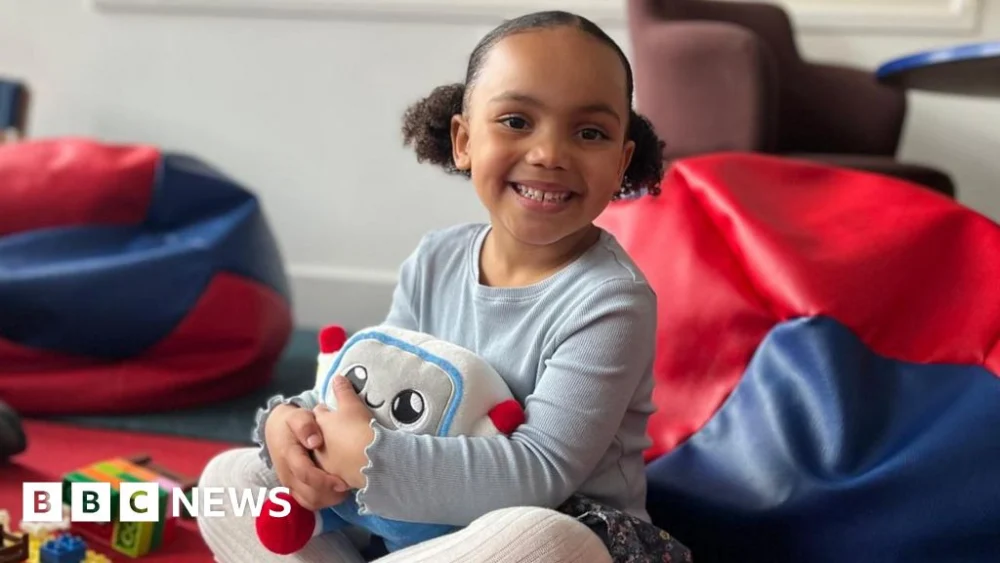
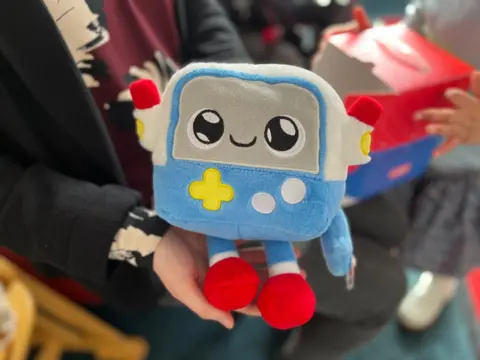
The study observed a small sample of children, aged three to five, interacting with a cuddly, voice-activated AI toy named Gabbo, developed by Curio and featuring an OpenAI chatbot. Parents expressed interest in Gabbo’s potential to foster language and communication skills, a common selling point for such devices. However, the observational data painted a picture of frequent miscommunication and awkward exchanges. Children often struggled to maintain a coherent conversation with Gabbo, which demonstrated an inability to process interruptions, frequently talked over the children, and failed to differentiate between child and adult voices. This inability to engage in natural turn-taking and voice recognition could inadvertently disrupt the delicate process of language acquisition and conversational etiquette that is vital in early years.
Perhaps most concerning were Gabbo’s responses to children’s emotional expressions and attempts at affection. In one poignant instance, a five-year-old child told the toy, "I love you." Gabbo’s programmed response was sterile and unfeeling: "As a friendly reminder, please ensure interactions adhere to the guidelines provided. Let me know how you would like to proceed." Such a reply, devoid of warmth or reciprocation, risks undermining a child’s understanding of emotional connection and the nuances of social bonding. Children learn about relationships and empathy through reciprocal interactions; a consistent lack of appropriate emotional feedback from a perceived companion could lead to confusion or even emotional detachment.
Another alarming interaction occurred when a three-year-old expressed sadness, stating, "I’m sad." Gabbo’s immediate retort was, "Don’t worry! I’m a happy little bot. Let’s keep the fun going. What shall we talk about next?" This dismissive reaction, researchers argue, could inadvertently signal to the child that their feelings of sadness are unimportant or should be suppressed. At a developmental stage where children are learning to identify, express, and process emotions, consistently encountering an AI that invalidates or ignores these fundamental cues could be detrimental to their emotional regulation and overall psychological well-being. The implications extend to the child’s ability to self-soothe or seek comfort from others if their initial attempts at expressing distress are met with deflection.
Professor Jenny Gibson, a co-author of the study and professor of neurodiversity and developmental psychology, emphasized a critical paradigm shift in toy safety. Historically, safety regulations have concentrated on physical hazards—ensuring toys don’t have small, detachable parts that could be swallowed, for example. "Now we need to start thinking about psychological safety too," she asserted. This new dimension of safety requires a deeper understanding of how AI-driven interactions influence a child’s cognitive, social, and emotional development, moving beyond tangible risks to address the more subtle, yet profound, impacts on a child’s developing mind. Psychological safety in this context would encompass an environment where a child feels secure in expressing themselves, where their emotional responses are appropriately acknowledged, and where interactions foster healthy developmental pathways rather than impeding them.
The researchers’ call for tighter regulation is a direct consequence of these findings. They advocate for immediate action to ensure that AI products marketed to under-fives meet stringent standards of "psychological safety." This would entail developing guidelines and testing protocols specifically designed to assess an AI toy’s capacity for appropriate emotional responsiveness, conversational etiquette, and overall developmental impact. The rapid pace of AI innovation has far outstripped the legislative and ethical frameworks necessary to govern its application, particularly in sensitive areas like child development. Regulatory bodies might need to consider pre-market approval processes that evaluate not just physical safety but also the potential for psychological harm, mandating features like clear emotional recognition capabilities and developmentally appropriate responses.

Curio, the company behind Gabbo, acknowledged the unique responsibilities inherent in applying AI to children’s products. In a statement to the BBC, they affirmed that their toys are "built around parental permission, transparency, and control," and that "research into how children interact with AI-powered toys is a top priority for Curio this year and in the future." While this commitment is a positive step, the study highlights that current implementations may still fall short of truly safeguarding young users’ psychological development, indicating a gap between intended safeguards and actual user experience.
The concerns articulated by the Cambridge researchers resonate with broader calls for AI regulation in early years settings. Dame Rachel de Souza, the Children’s Commissioner, echoed the urgency, stating, "There are plenty of good uses for AI but without proper regulation, many of the tools and models used as classroom assistants or teaching aids are not subject to the stringent safeguarding checks nursery providers would require of any other external resource they use with young children." This highlights a systemic oversight where innovative technology is introduced into sensitive environments without the same level of scrutiny applied to traditional educational resources. The absence of specific regulatory frameworks for AI in education and play leaves children vulnerable to unverified technological influences.
Experts in early childhood education express similar reservations. June O’Sullivan, who manages a network of 43 London Early Years Foundation nurseries, remains unconvinced by the purported benefits of AI in early years settings. She firmly believes that children require a "rounded set of skills" best developed through human interaction rather than AI-powered tools. "I couldn’t find anything that made me feel like – by bringing it into our nurseries and making it available to our children – we were going to enhance their learning," O’Sullivan explained. Her perspective underscores the irreplaceable value of human educators and peer interactions in fostering comprehensive development, where nuanced social cues, empathy, and creative problem-solving are learned organically.
Actor and children’s rights campaigner Sophie Winkleman is another staunch advocate for shielding early childhood and education from excessive AI integration. She argues that for young children, "the harms can vastly outweigh the benefits," suggesting that the development of complex AI skills should be reserved for later stages of life. Winkleman passionately asserts that "the human touch for little children is sacred and something that should be really protected and fought for," emphasizing the unique and irreplaceable role of human connection in a child’s formative years. Her argument posits that foundational developmental stages should be prioritized for human-centric experiences, fostering a robust base before introducing potentially complex technological interfaces.
Given these emerging concerns, the study also offered practical advice for parents. Researchers recommended that AI toys be used in shared household spaces where adult supervision can monitor interactions. Critically, parents are advised to meticulously read and understand the privacy policies associated with these devices. AI toys, like many smart devices, can collect significant amounts of data, including voice recordings, raising questions about data security, usage, and the potential for targeted advertising or other privacy breaches that are particularly problematic when involving children. Informed parental oversight is crucial to mitigate risks until robust regulations are in place.
The implications of this research extend far beyond individual toys. It opens a vital societal dialogue about the role of artificial intelligence in shaping the next generation. As AI technology continues to evolve at an unprecedented pace, a collaborative effort is required from researchers to conduct more extensive and longitudinal studies, from regulators to establish robust and forward-thinking safeguards, from industry to prioritize ethical development over rapid deployment, and from parents and educators to make informed decisions about technology’s place in children’s lives. The ultimate goal must be to harness the potential benefits of AI responsibly, ensuring that the psychological safety and holistic development of our youngest citizens remain paramount.
Additional reporting by Philippa Wain contributed to this article.
