
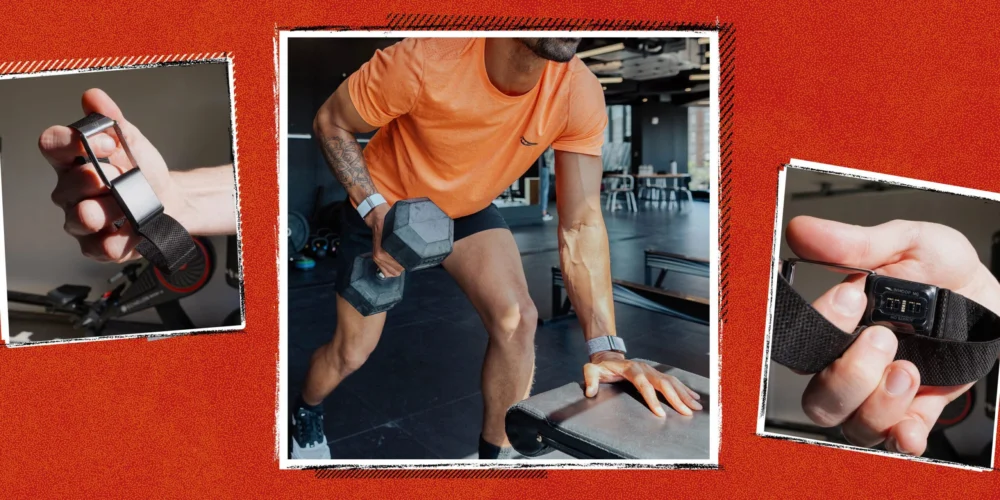
"The Whoop MG shifts the wearable paradigm from active notification to passive observation, prioritizing long-term physiological trends over the immediate gratification of a digital screen."

As the consumer fitness market reaches a point of total saturation, the distinction between a simple pedometer and a sophisticated health laboratory on the wrist has never been more pronounced. While industry titans like Apple and Garmin have doubled down on multi-functional smartwatches that serve as extensions of the smartphone, Whoop has carved out a dedicated niche by moving in the opposite direction. By removing the screen entirely, Whoop forces the user to focus on the data rather than the device. The release of the Whoop MG and the 5.0 band represents a significant evolution in this philosophy, introducing a tiered subscription model and advanced medical-grade sensors designed to quantify not just how we move, but how we age and recover.
The Philosophy of Disappearance
The most striking feature of the Whoop MG is what it lacks: a display. In an era of "notification fatigue," the MG is designed to be felt but not seen. For long-time users of the Apple Watch or Samsung Galaxy Watch, the transition to a screenless device is a psychological hurdle. There is no checking the time, no glancing at a text message, and no mid-run pace updates. This is a deliberate design choice intended to reduce the digital friction of daily life. The hardware itself is understated, featuring a smaller sensor housing than previous iterations and a default fabric strap that is engineered for 24/7 wear.

The understated design serves a functional purpose. Because the MG is meant to be worn constantly—including during sleep and high-intensity training—it is flush enough to avoid catching on sleeves or equipment. This "set it and forget it" approach allows the device to collect a continuous stream of longitudinal data without the user needing to manually trigger "workout modes" for every brisk walk or lifting session.
The New Tiered Ecosystem: One, Peak, and Life
Whoop has fundamentally restructured its business model to align with the release of the MG. Unlike traditional electronics where you pay a flat fee for the hardware, Whoop operates as a "Hardware-as-a-Service" (HaaS) model. The hardware is essentially included in the membership fee, but the biometrics stop the moment the subscription lapses.

The entry-level Whoop One ($199/year) provides the standard 5.0 band with a five-day battery life and access to the core metrics of Sleep, Recovery, and Strain. Moving up to Whoop Peak ($239/year) extends the battery life to 14 days and unlocks the "Healthspan" features, stress tracking, and the Health Monitor dashboard. The flagship tier, Whoop Life ($359/year), is currently the only gateway to the MG hardware. This premium tier adds clinical-grade features, including a Heart Screener with ECG capabilities, on-demand AFib detection, and blood pressure insights—though the latter requires periodic calibration with an external cuff.
Quantifying Longevity: Healthspan and Whoop Age
One of the most provocative additions to the Whoop app is the "Healthspan" feature. By analyzing heart rate variability (HRV), resting heart rate, and sleep consistency over several weeks, the system calculates a "Whoop Age" and a "Pace of Aging." This is a departure from traditional fitness tracking, which focuses on what you did today; Healthspan focuses on who you are becoming over decades.

For many users, this data can be a wake-up call. In testing, users in their early 40s—particularly those balancing the stresses of parenthood and professional life—often find their "Whoop Age" trending several years older than their chronological age. The metric is sensitive; a week of poor sleep or excessive alcohol consumption can visibly accelerate the "Pace of Aging" in the app. Conversely, consistent zone-2 cardio and disciplined sleep hygiene can "de-age" the user’s biometrics. This creates a powerful, gamified incentive for longevity that goes beyond simply "closing rings."
The Power of the Three Pillars: Sleep, Recovery, and Strain
The Whoop experience is built on a tripod of proprietary metrics that work in a feedback loop.

- Strain: This measures the cardiovascular and muscular load placed on the body throughout the day. Whoop’s algorithm is particularly adept at recognizing that strain isn’t just exercise; chasing a toddler or a high-stress board meeting contributes to the daily total.
- Sleep: The MG uses advanced sensors to track sleep stages (REM, Deep, Light) and disturbances. It doesn’t just tell you how long you slept, but how "efficient" that sleep was.
- Recovery: Calculated every morning, this score (0–100%) tells the user how prepared their body is to take on strain. A low recovery score is a signal to opt for a yoga session over a heavy squat day, preventing overtraining and injury.
The MG’s automatic activity detection is a standout feature in this ecosystem. While an Apple Watch may ask if you’ve finished a workout if you forget to stop the timer, the Whoop MG silently logs the data in the background. Whether it is bouldering, snow shoveling, or a 20-minute neighborhood walk, the device accurately categorizes the exertion and adjusts the daily Strain score accordingly.
AI Integration: The Whoop Coach
The inclusion of "Whoop Coach," an AI-powered chatbot, marks the brand’s foray into personalized health consulting. By leveraging large language models, the Coach can synthesize the user’s specific data to provide actionable advice. If a user asks why their recovery is low, the Coach might point to a late-night meal or a spike in skin temperature recorded two nights prior.

While the advice—such as hydrating more or limiting screen time before bed—is often common sense, the value lies in the personalization. It isn’t general health advice; it is advice based on your HRV and your sleep cycles. The "Daily Outlook" card provides a morning summary that suggests specific workout intensities based on that day’s recovery score, effectively acting as a digital strength and conditioning coach.
Hardware Performance and Limitations
The MG boasts a 14-day battery life, a significant advantage over smartwatches that require daily or every-other-day charging. The "Life" membership includes a wireless battery pack that slides directly onto the band while you wear it, meaning the sensor never has to leave your wrist. This ensures there are no gaps in the data, which is crucial for the accuracy of long-term trends like HRV.
However, the hardware is not without its minor frustrations. The haptic alarm, designed to wake the user silently through vibrations, remains a point of contention. The "tap-to-silence" feature can be finicky, often requiring multiple aggressive taps before the vibration ceases. Additionally, for users who rely on their wearable for GPS tracking during runs without a phone, the lack of onboard GPS in the MG means you must still carry your smartphone to map your route.
The Verdict: Who is the Whoop MG For?
The Whoop MG is not a direct competitor to the Apple Watch; it is a companion for a different kind of user. The Apple Watch is a generalist tool for the masses—excellent for notifications, quick tasks, and general health awareness. The Whoop MG is a specialist tool for the data-obsessed.
It is designed for the athlete who wants to optimize every training session, the executive looking to manage high-level stress, or the individual interested in the burgeoning field of longevity science. The subscription cost is significant, and the "rented data" model may deter those who prefer to own their hardware outright. However, for those who value deep physiological insights and a screen-free lifestyle, the Whoop MG offers a level of biometric fidelity that is currently unmatched in the consumer wearable space. It is a commitment to a lifestyle of quantified self-improvement, where the goal isn’t just to be fit, but to understand the very mechanics of one’s own health.
