
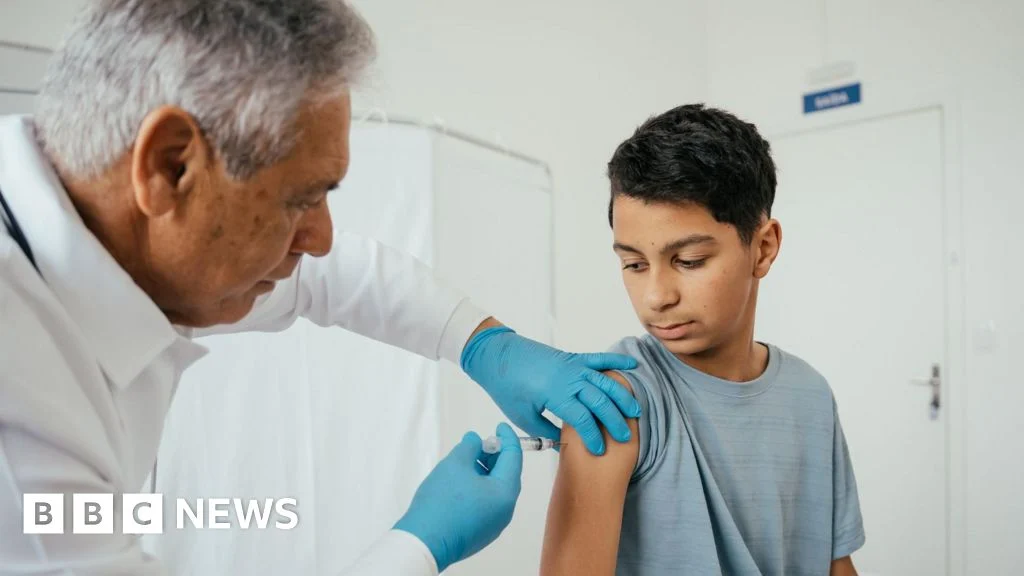
"The tragic meningitis B outbreak in Kent underscores a critical gap in public health policy, highlighting the urgent need to re-evaluate vaccination eligibility for teenagers who currently lack protection against this deadly strain."
A severe outbreak of Meningitis B (MenB) has gripped Canterbury, Kent, leading to multiple hospitalizations and the confirmed deaths of two young individuals. This alarming cluster of cases, predominantly affecting university students, has thrust the UK’s vaccination strategy for teenagers under intense scrutiny. While infants have routinely received the MenB vaccine since 2015, the current generation of older adolescents and university students were born before its widespread availability, leaving a significant cohort vulnerable to a disease that can swiftly lead to sepsis, brain damage, or prove fatal. The escalating crisis has prompted a targeted vaccination effort for students in Canterbury and a formal request from the Health Secretary to expert advisors to re-examine the national eligibility criteria for meningitis vaccines.
The UK Health Security Agency (UKHSA) has definitively identified Meningitis B as the strain responsible for the recent surge in cases in Kent. MenB, a bacterial form of meningitis, is considerably rarer but far more aggressive than its viral counterpart, often progressing rapidly to life-threatening conditions such as blood poisoning (sepsis) or severe neurological complications. The confirmation of two fatalities in Canterbury, coupled with additional students receiving hospital treatment, has sent ripples of concern through the university community and beyond.
A critical aspect of the current situation is the historical context of the MenB vaccine. Introduced into the routine childhood immunization schedule in the UK in 2015, the vaccine provides crucial protection for babies. However, this timeline means that individuals currently in their late teens and early twenties, including many university students, were not eligible for the jab during their infancy. Consequently, a substantial demographic now finds itself unprotected against MenB, even if they have received the MenACWY vaccine, which targets different strains (A, C, W, and Y) and is routinely offered to 14-year-olds. The UK had previously opted against a comprehensive catch-up vaccination campaign for teenagers, a decision now facing intense re-evaluation.
In response to the escalating crisis, a focused vaccination programme is being rapidly deployed. Initially targeting students residing at the Canterbury Campus Halls of Residence at the University of Kent, this measure aims to contain the spread within the most affected population. The UKHSA has indicated that this programme may be expanded as ongoing risk assessments continue. For immediate protection, the priority remains the administration of antibiotics to close contacts, a highly effective prophylactic measure against disease development and transmission.
The gravity of the situation has prompted a high-level response from the government. Health Secretary Wes Streeting has formally requested that expert advisors "re-examine eligibility for meningitis vaccines." Addressing the Commons, Streeting emphasized the government’s commitment to following independent clinical advice, stating, "In light of this latest outbreak, I will be asking them to re-examine eligibility for meningitis vaccines. I will do so without prejudicing their decision because we have to follow the clinical advice on this." This move signals a potential shift in national vaccine policy, driven by the stark realities unfolding in Kent.
The human cost of this policy gap is profoundly illustrated by the testimony of bereaved parents. Helen and Lee Draper tragically lost their daughter, Meg, to Meningitis B last October while she was at university. Speaking to BBC Breakfast News, they expressed their devastation at hearing of more students succumbing to the illness, asserting that they would have paid the approximately £220 for private vaccination "in a heartbeat" had they been aware of the risk. Helen recounted the rapid onset of Meg’s symptoms: initial lethargy, followed by nausea and a rash that quickly spread, culminating in her feeling "really unwell" and seeking medical help.
Lee Draper passionately highlighted what he perceives as a significant communication failure. "That’s where I think the communication’s been really, really poor over the years," he told the BBC. "We assumed that Megan had had a meningitis vaccination and to us, we sent her off to university thinking that. It was after we knew what strain she had, meningitis B, that she wasn’t vaccinated against that and we had no idea that she didn’t have protection against that." Their poignant appeal underscores the urgent need for clearer public messaging regarding the specific strains covered by routine vaccinations.
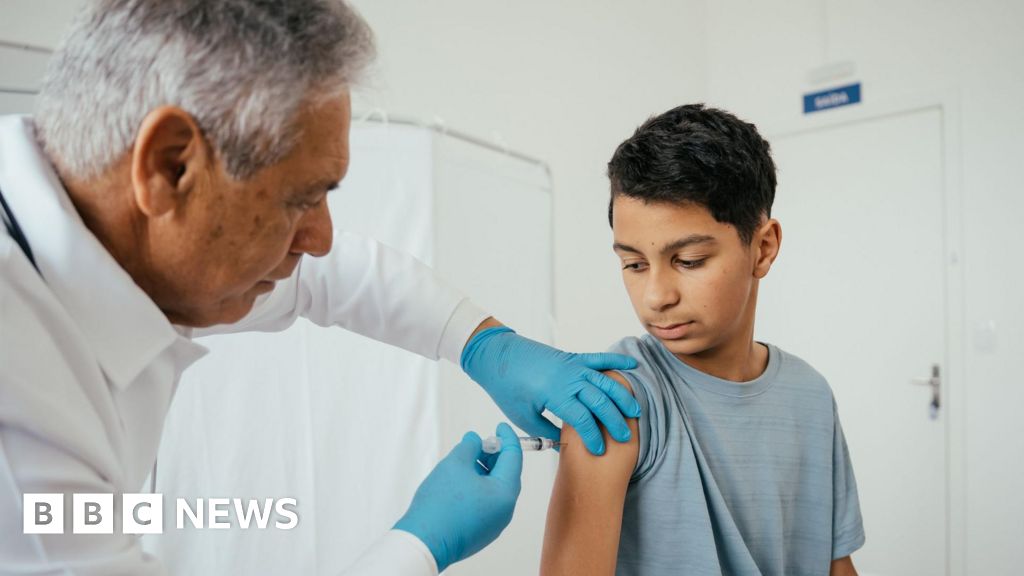
The debate surrounding a broader "catch-up" MenB vaccination campaign for teenagers is complex, rooted in scientific and economic considerations. Meningitis can affect anyone, but specific age groups are at higher risk: babies and young children under five, and then teenagers and young adults aged 15 to 24. While the MenB vaccine has proven highly effective in protecting infants, its efficacy in older adolescents presents unique challenges.
Professor Sir Andrew Pollard, a distinguished immunologist at Oxford University, explained the nuances of the MenB strain to the BBC: "The B strain is more complicated because although we call it the B strain, it’s actually a collection of a very large number of different strains, some of which are covered by the B vaccine and some aren’t." Although the current MenB vaccine is engineered to offer broad protection, it cannot cover every single variant.
Furthermore, the MenB vaccine’s ability to prevent transmission in teenagers is less robust compared to its protective effect against disease. It’s estimated that roughly one in four teenagers and young people carry meningitis-causing bacteria harmlessly in their nose and throat, acting as asymptomatic carriers who can spread the infection. The vaccine is not particularly effective at preventing this carriage and transmission, even against strains it does cover. Coupled with a relatively shorter duration of protection in this age group, these factors led the Joint Committee on Vaccination and Immunisation (JCVI), which advises the government, to conclude that a widespread MenB vaccination campaign for teenagers would not be cost-effective.
Professor Pollard emphasized that during an active outbreak, vaccination, which takes weeks to confer full immunity, is not the immediate solution. "The problem with vaccination is it doesn’t protect you immediately and it takes some time after vaccination for the immune response to kick in." Instead, he stressed the critical role of antibiotics in such scenarios, not only to treat those exposed but also to clear the bacteria from healthy carriers, thereby halting further transmission. Only a small, specific group of teens and adults with underlying health conditions, such as those with impaired spleen function, sickle cell anaemia, or immune disorders, are currently recommended to receive the MenB jab on the NHS due to their heightened vulnerability.
For parents and individuals seeking protection outside of the NHS programme, private vaccination remains an option, albeit an expensive one. High street pharmacies typically charge around £220 for a full course of two doses. The charity Meningitis Now has been a vocal advocate for wider MenB vaccine availability for teenagers and young adults, urging that the jabs be offered "at a fair price."
The current outbreak has dramatically impacted the demand for private MenB vaccinations. Dr. Leyla Hannbeck, from the Independent Pharmacies Association, reported a significant surge in demand, particularly in Kent, leading to widespread stock shortages in many pharmacies. This unprecedented demand underscores the public’s concern and desire for protection where national policy currently does not provide it.
Despite the localized nature of the Kent outbreak, concerns about wider population risk have naturally emerged. Dr. Gayatri Amirthalingam, deputy director of the immunisation and vaccine preventable diseases division at the UKHSA, provided reassurance on BBC Radio 4’s Today Programme. She described the outbreak as "unusual" but stated, "We have no evidence of any wider spread… it’s really important to reassure people across the country that there’s no evidence of wider spread at the current time." She stressed the importance of ensuring children are up-to-date with available vaccines and remaining vigilant for symptoms of meningococcal disease.
Meningitis symptoms can develop very suddenly and may include a severe headache, fever, vomiting, muscle pain, stiff neck, dislike of bright lights, confusion, and a rash that doesn’t fade when a glass is rolled over it. Critically, not all symptoms appear simultaneously, and a rash may not develop immediately or at all. Students in the affected Canterbury area are being strongly advised to trust their instincts and seek immediate medical help if they suspect meningitis, rather than waiting for all symptoms to manifest. Health Secretary Streeting reiterated that "the public health risk for the wider population remains low," emphasizing the effectiveness of active contact tracing and antibiotic prophylaxis in preventing further spread.
The MenB outbreak in Kent serves as a stark reminder of the ongoing threat posed by infectious diseases and the dynamic nature of public health policy. As experts re-evaluate vaccine eligibility and communities grapple with the immediate impact, the tragic events underscore the vital need for comprehensive protection and clear communication to safeguard the health of all, especially vulnerable young populations.
