
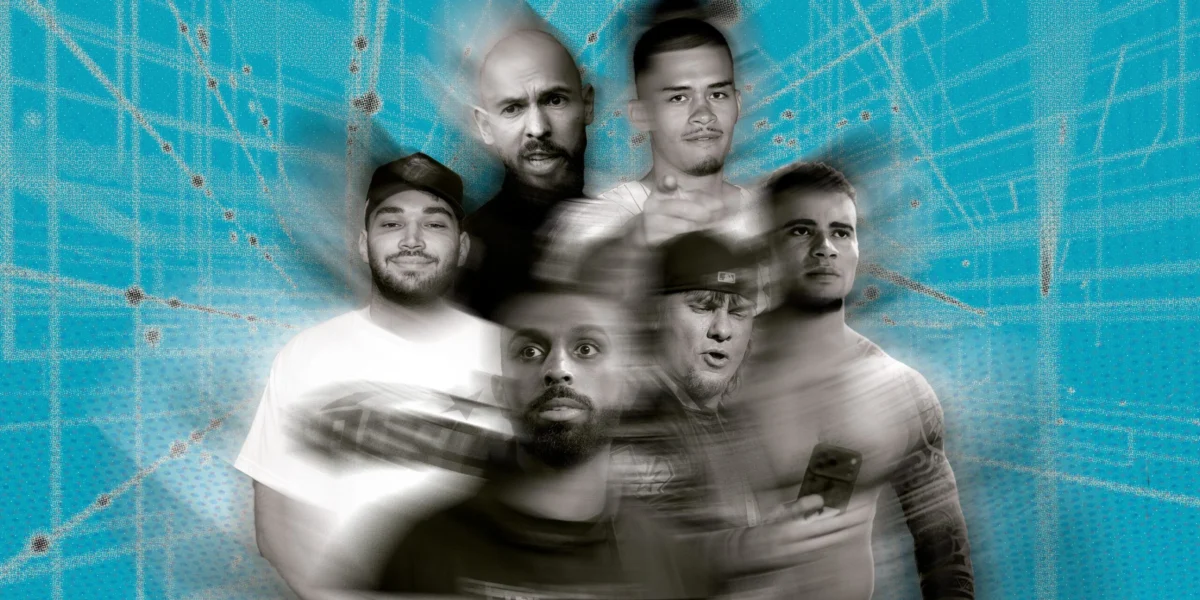
"The manosphere operates as a high-speed pipeline where the pursuit of physical self-improvement is systematically weaponized to sell a narrative of male grievance and reactionary identity."
This investigation explores the mechanics of contemporary online masculinity, examining how algorithmic loops and influencer culture have transformed traditional notions of manhood into a lucrative, often toxic, digital ecosystem. By analyzing the bridge between fitness content and extremist ideology, we can better understand the societal forces driving young men toward the "red pill" philosophy.
The path into the manosphere rarely begins with a manifesto; it starts with a thumb-swipe. For many young men, the journey originates in the seemingly innocuous "FitTok" or "Gymstagram" spheres, where the pursuit of the perfect physique serves as the primary hook. A user might follow a creator for workout tips or nutritional advice, only to find their feed gradually populated by podcasts recorded behind neon lights and professional-grade microphones. These creators, often seen smoking cigars or posing with luxury vehicles, project an image of ultimate success. However, beneath the veneer of self-actualization lies a complex and often troubling ideological framework that British documentarian Louis Theroux seeks to dismantle in his latest work, Inside the Manosphere.
Directed by Adrian Choa, the documentary provides a rare, unvarnished look at the "9:16 dream world"—a reference to the vertical aspect ratio of smartphone video that defines the current era of social media. Choa and Theroux gained unprecedented access to some of the most polarizing figures in this space, individuals who typically harbor a deep-seated distrust of mainstream media outlets. By utilizing Theroux’s signature style of disarming curiosity rather than immediate confrontation, the film reveals the men behind the personas, exposing the mechanics of a movement that has moved from the fringes of Reddit to the center of global cultural discourse.
The manosphere is not a monolith, but it is bound by a shared "red pill" philosophy. This term, borrowed from the film The Matrix, is used by these influencers to describe an "awakening" to what they perceive as a societal order that is fundamentally biased against men. Figures like Harrison Sullivan (known online as HSTikkyTokky), Justin Waller, and Myron Gaines argue that traditional masculinity is under siege by a government and a culture that prioritizes feminist progress at the expense of male well-being. Their rhetoric often calls for a total rejection of modern gender dynamics, advocating instead for a return to patriarchal hierarchies where men exert absolute dominance in both private and professional spheres.
Theroux’s interaction with Harrison Sullivan highlights the performative nature of this digital frontier. Sullivan, who transitioned from selling workout plans to promoting cryptocurrency, gambling, and OnlyFans management, represents the ultimate opportunist of the attention economy. In one particularly revealing moment, Sullivan expresses confusion over whether to engage in a genuine conversation with Theroux or to continue monologuing for his own camera. This "meta-reality" is a hallmark of the manosphere: the influencers are constantly producing content about the content they are producing, creating a hall of mirrors where authenticity is sacrificed for engagement.

The documentary’s structure intentionally mirrors the descent a user might experience when interacting with social media algorithms. It begins with the superficial—muscle-building and financial "grindset" culture—before pivoting into more insidious territory. As the narrative progresses, the "self-help" mask slips to reveal a core of virulent misogyny, homophobia, and, in some corners, racism and antisemitism. This progression is not accidental; it is a calculated funnel designed to radicalize young men by first addressing their genuine insecurities and then providing them with a scapegoat for their struggles.
Dr. Simon Copland, a researcher at the Australian National University and author of The Male Complaint, provides a critical psychological framework for understanding this phenomenon. Copland argues that despite the "tough guy" exterior, the manosphere is one of the most emotional spaces on the internet. It is a place where men go to express frustration, loneliness, and fear, but those emotions are immediately channeled into anger. The "Male Complaint," as Copland describes it, is a narrative that simplifies the complexities of modern life into a binary struggle: your life is difficult because feminism has destroyed the natural order. By offering a simple enemy, the manosphere provides a sense of community and purpose to men who feel left behind by a rapidly changing world.
However, the documentary also raises difficult questions about the role of the media in amplifying these voices. By giving figures like Myron Gaines a platform, does a documentarian like Theroux inadvertently provide them with the very oxygen they crave? The manosphere thrives on notoriety. Sullivan himself admits this during a candid moment in the film. When asked by Theroux why he doesn’t simply try to be a "good person," Sullivan responds with chilling honesty: "If I had just done good things, I’d never have really blown up on social media in the first place." For these influencers, controversy is not a byproduct of their message; it is the engine of their business model.
The real-world impact of this digital movement is increasingly documented. A 2025 report titled Young Men’s Mental Health in a Digital World, published by the Movember Institute, found that two-thirds of young men regularly engage with masculinity influencers. Furthermore, a United Nations report has identified the manosphere as a "direct threat to the progress made toward gender equality," noting that the radicalization of young men online often translates into regressive attitudes and behaviors in physical spaces. The popularity of shows like Adolescence on Netflix, which explores the complexities of modern fatherhood and male development, suggests a hunger for more nuanced depictions of masculinity, yet the high-decibel shouting matches of the manosphere often drown out these more thoughtful explorations.
The genius of the manosphere lies in its ability to exploit a genuine vacuum. Many young men feel a lack of direction and a lack of clear rites of passage in the 21st century. The influencers of the manosphere step into that void, offering a strict, if toxic, blueprint for how to live. They provide a sense of belonging and a roadmap for "success" that is easily digestible in 15-second clips. Theroux’s documentary suggests that the solution is not merely to deplatform these individuals, but to understand the demand they are satisfying.
Ultimately, Inside the Manosphere reveals that these influencers are less like ideological leaders and more like savvy market actors. They have identified a demographic of lonely, insecure, and frustrated men and have built a multi-million dollar industry around validating those feelings while directing them toward destructive ends. The documentary concludes that one does not simply "veer" into the manosphere by accident. The algorithms are designed to lead you there, and the influencers are waiting with open arms—and a link to their latest course—to welcome you into a world where grievance is the most valuable currency.
As the digital landscape continues to evolve, the challenge for society remains: how to provide young men with a sense of purpose and identity that does not rely on the subjugation of others. Until a more constructive alternative is provided, the "9:16 dream world" of the manosphere will continue to offer its seductive, if hollow, promise of power to those who feel most powerless.
