
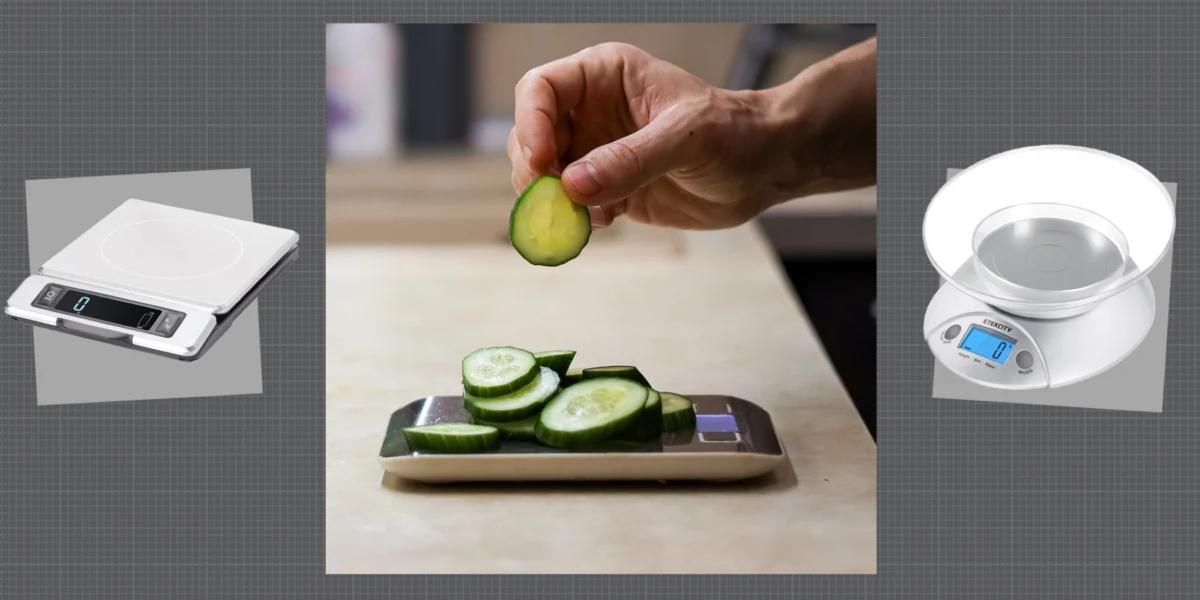
"Integrating a high-precision scale into a daily routine eliminates the margin of error in nutritional tracking, ensuring that fitness goals are met with scientific accuracy rather than estimation."

This article explores the evolving role of the digital kitchen scale, transitioning from a niche tool for pastry chefs to an essential piece of equipment for anyone serious about health, fitness, and flavor. By examining the top-rated models on the market, we delve into how different technologies—from pull-out displays to integrated nutritional databases—address the diverse needs of modern households, helping users bridge the gap between their dietary intentions and their actual caloric intake.
For years, the standard for American home cooking was volume-based measurement: the cup and the spoon. However, as nutritional science has become more accessible and the "macro-tracking" movement has gained momentum, the limitations of volume have become clear. A cup of flour can vary in weight by up to 20% depending on how tightly it is packed; a tablespoon of peanut butter is rarely exactly a tablespoon. For those pursuing specific body composition goals—whether muscle hypertrophy or fat loss—these small discrepancies can compound into a significant caloric surplus or deficit. The digital food scale has emerged as the definitive solution to this problem, offering a level of precision that transforms guesswork into data.

The Foundation of Reliability: The Nicewell and Etekcity Standards
When selecting a primary kitchen scale, durability and ease of use are the most critical factors. The Nicewell Food Scale represents the "gold standard" for the average consumer, balancing affordability with a high weight capacity of 22 pounds. Its design philosophy emphasizes the user experience, featuring a bright LCD backlight and a sleek stainless steel surface that resists the grime of a busy kitchen. With five unit conversions—including grams, kilograms, pounds, ounces, and milliliters—it serves as a versatile hub for both liquid and dry measurements. The longevity of such devices is a testament to the maturation of sensor technology; it is not uncommon for a well-maintained Nicewell scale to remain accurate for over half a decade of daily use.
For those who prioritize physical resilience, the Etekcity Food Scale offers a compelling alternative. Constructed from 304 food-grade stainless steel, this model is specifically engineered to withstand the wear and tear of a high-volume kitchen. While it has a lower capacity (11 pounds) compared to the Nicewell, its slim profile makes it ideal for urban kitchens where drawer space is at a premium. The inclusion of a responsive "tare" function—which allows the user to subtract the weight of a container to find the net weight of the ingredients—is a fundamental feature that Etekcity executes with high tactile precision.

Specialized Precision: Coffee, Macros, and Nutrition
The market for food scales has branched into highly specialized niches, catering to the "prosumer" who requires more than just a simple weight reading. The Greater Goods Coffee Scale with Timer is a prime example of this specialization. For coffee enthusiasts, the ratio of water to beans and the timing of the "bloom" are the two variables that determine the quality of a pour-over or espresso. By offering 0.1-gram accuracy and a built-in timer, this scale allows users to control the extraction process with laboratory-grade precision. Its heat-resistant silicone cover further protects the sensitive internal sensors from the high temperatures associated with brewing.
Even more advanced are the "nutrition scales," such as those offered by Nutra Track and Greater Goods. These devices go beyond weight to act as on-board nutritional computers. By entering specific food codes, users can instantly see the breakdown of calories, protein, carbohydrates, and fats for over 2,000 different items. This feature is particularly impactful for individuals managing chronic conditions like diabetes, where precise carbohydrate counting is a medical necessity, or for athletes who need to hit specific macronutrient targets to optimize recovery. While many people use smartphone apps for this purpose, having the data displayed directly on the scale platform streamlines the meal-prep process and reduces the friction of data entry.

Ergonomics and Innovation: Solving the "Big Bowl" Problem
One of the most common frustrations with standard kitchen scales is the "obscured display" issue. When a large mixing bowl or a dinner plate is placed on a compact scale, it often hangs over the edges, making it impossible to read the weight. The OXO Good Grips 11-Pound Stainless Steel Scale solves this with an ingenious pull-out display. The screen remains attached to the base via a cord, allowing the user to pull it several inches away from the weighing platform. This design choice, combined with a removable platform for easy cleaning, makes the OXO a favorite for those who engage in large-batch meal prepping or complex baking projects.
On the opposite end of the design spectrum is the Brynnl Compact Folding Digital Kitchen Scale. For the frequent traveler or the "digital nomad" who wishes to maintain their nutritional discipline on the road, the Brynnl offers a foldable, "scissor-style" design that fits into a jacket pocket. Despite its diminutive size, it retains the core functionality of its larger peers, including a backlit display and an 11-pound capacity. This highlights a growing trend in the fitness industry: the move toward "portable health," where tools previously tethered to the home are now redesigned for a mobile lifestyle.

The Economic Spectrum: Value vs. Premium Features
For the budget-conscious consumer, the Amazon Basics Digital Kitchen Scale and the Ozeri Pronto prove that precision does not have to be expensive. At approximately $10 to $20, these scales provide the essential "tare" and unit conversion features found in premium models. The trade-offs are usually found in the materials—using BPA-free plastics instead of tempered glass or stainless steel—and the lack of a backlit display. However, for a student or someone just beginning their fitness journey, these entry-level models provide a low barrier to entry for accurate portion control. The Ozeri Pronto, in particular, is noted for being exceptionally lightweight, making it an easy addition to a kitchen setup without adding bulk.
Beyond the Kitchen: The Multi-Functional Utility of Scales
While the primary use case is nutritional, the utility of a high-quality digital scale extends into various household domains. In the realm of fitness, they are indispensable for measuring powdered supplements like creatine or pre-workout, where the provided plastic scoops can often lead to doses that are 20-30% higher or lower than intended. Beyond health, these scales are frequently used for weighing small parcels for shipping, ensuring that postage is calculated correctly, or even for hobbyists who need to measure precise ratios of epoxy resin or jewelry components.

Care, Maintenance, and the Science of Sensors
To maintain the accuracy of a digital scale, one must understand that they are precision instruments containing sensitive "load cells." These sensors can be damaged by "shock loading"—dropping heavy weights onto the platform—or by being stored under constant pressure. To ensure a long lifespan, scales should be stored on their side or in a way that nothing is pressing down on the weighing surface.
Cleaning is equally important for hygiene and functionality. While stainless steel models are easier to wipe down, users should avoid submerging any digital scale in water, as moisture can easily penetrate the battery compartment or the LCD screen, leading to short circuits. A damp cloth with mild detergent is usually sufficient. Furthermore, as batteries begin to deplete, many scales will start to provide erratic readings; replacing the AAA or button-cell batteries at the first sign of a fading display is a simple way to maintain data integrity.

Conclusion: A Tool for Empowerment
Ultimately, a food scale is more than just a kitchen gadget; it is a tool for empowerment. In an era where food labels can be misleading and restaurant portions are often oversized, the ability to measure one’s own intake provides a level of autonomy over one’s health. Whether it is a professional-grade OXO scale for a serious baker, a Nutra Track for a data-driven athlete, or a budget-friendly Amazon Basics model for a college student, the transition to weight-based measurement is a fundamental step toward culinary mastery and nutritional success. By removing the "guesstimate" from the equation, these devices allow individuals to navigate their health journeys with confidence and clarity.
