
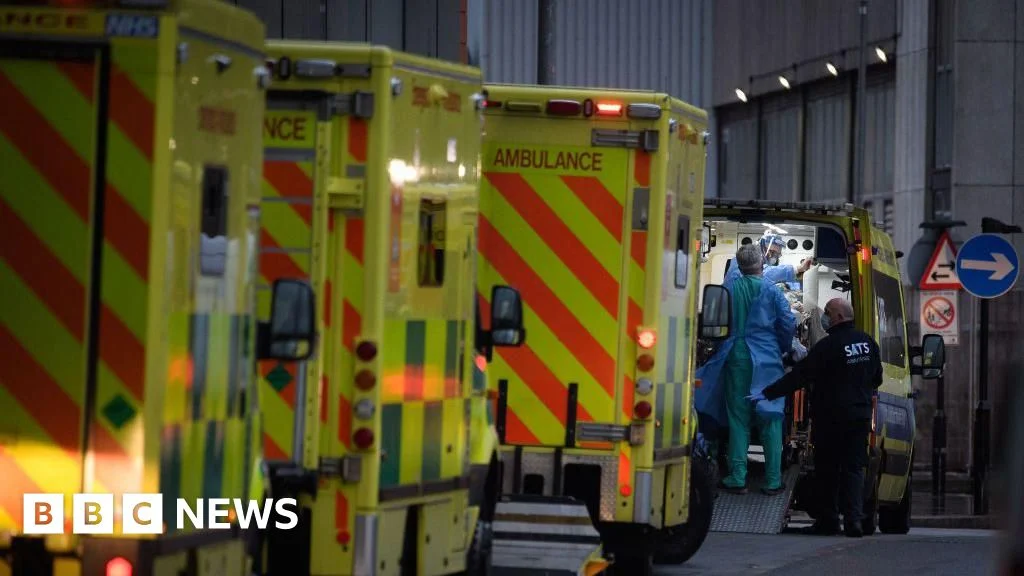
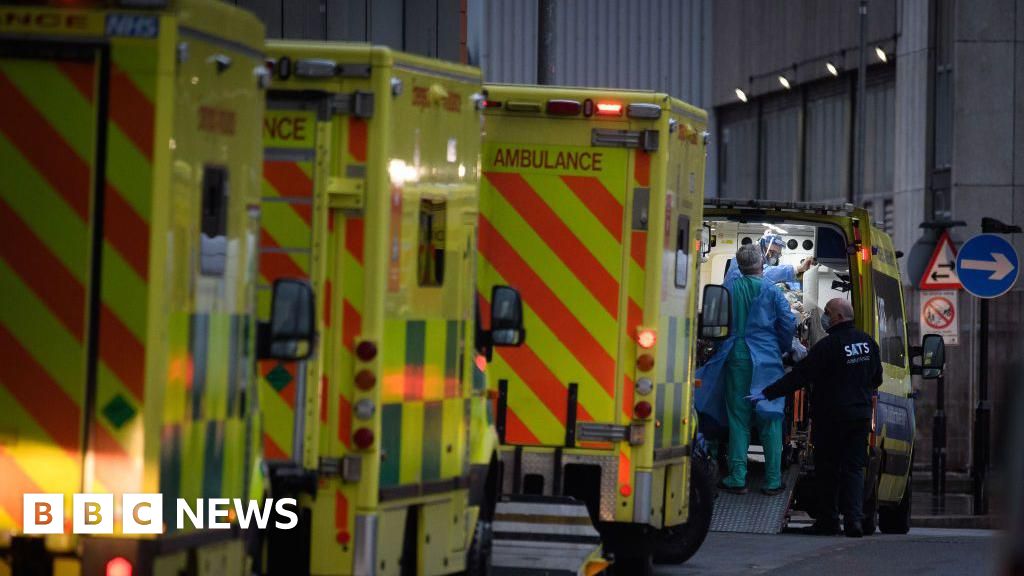
"The UK’s healthcare system narrowly averted collapse during the COVID-19 pandemic, a crisis exacerbated by pre-existing austerity, flawed public messaging, and deeply distressing restrictions that profoundly impacted patients and their loved ones, despite the heroic efforts of frontline staff."
A landmark inquiry into the National Health Service’s performance during the COVID-19 pandemic has unveiled a harrowing account of a system pushed to its absolute limits, revealing a healthcare infrastructure severely weakened by years of austerity and an unpreparedness for a crisis of such magnitude. The comprehensive report underscores how the NHS in England teetered on the brink of collapse, saved only by the extraordinary dedication and sacrifice of its staff. Beyond the immediate strain, the inquiry critically examines government communication strategies, patient care failures, and the profound human cost of stringent hospital visiting restrictions, offering a sobering reflection on the lessons that must be learned for future public health emergencies.
The long-awaited findings from the inquiry paint a stark picture of the immense pressures faced by the NHS, highlighting systemic vulnerabilities that were ruthlessly exposed by the unprecedented challenges of the pandemic. From a decade of constrained budgets that left the health service with inadequate beds and staff to the ethical dilemmas posed by resource allocation and the emotional toll of isolation, the report meticulously details the multifaceted crisis. It serves not merely as a historical record but as a critical blueprint for understanding the complexities of managing a national health emergency, emphasizing the urgent need for robust investment, clear communication, and compassionate policy-making to safeguard both the healthcare system and the public it serves.
A System Under Strain: The Legacy of Austerity
The inquiry’s report unequivocally states that the NHS entered the pandemic in a "precarious position," a direct consequence of a decade of austerity measures that had significantly squeezed its budget. In the years leading up to 2020, while spending saw marginal increases, it failed to keep pace with the rapidly escalating demand driven by an ageing population and a growing number of individuals with complex, long-term health conditions. This chronic underfunding translated directly into critical shortages across the board: a severe lack of hospital beds, insufficient intensive care capacity, and a workforce that was already stretched thin.
These pre-existing vulnerabilities meant the NHS was ill-equipped to absorb the shock of a global pandemic. The report highlights how this structural weakness manifested in tangible ways, from the desperate scramble for personal protective equipment (PPE) to the near-depletion of vital resources like oxygen in certain facilities during the initial wave. The cumulative effect of years of fiscal restraint meant that the resilience of the health service was already severely compromised, leaving it with little buffer to cope with the extraordinary surge in critically ill patients that COVID-19 brought. The report underscores that austerity did not just limit growth; it actively eroded the foundational capacity of the NHS, setting the stage for the crisis that unfolded.
Close to Collapse: The Pandemic’s Onslaught
As COVID-19 cases surged, the NHS was rapidly overwhelmed. The report details how the system struggled profoundly to cope, particularly during the first wave, with facilities reaching breaking point. Intensive care units, designed for highly specialized care, saw staffing ratios diluted from the standard one nurse per patient to alarming levels of one nurse to four patients, a compromise that undoubtedly impacted the quality and safety of care. Ambulance services, the frontline of emergency response, experienced unprecedented delays, with even life-threatening calls facing extended waits, necessitating the deployment of military personnel to assist.
The inquiry’s findings reveal that the NHS came "close to collapse," narrowly averting total systemic failure only through the extraordinary and often heroic efforts of its dedicated staff. Doctors, nurses, paramedics, and support workers consistently went above and beyond, working grueling hours, adapting to rapidly changing protocols, and enduring immense emotional and physical strain. They made immense personal sacrifices, often risking their own health and well-being, to provide care under the most challenging circumstances imaginable. This dedication, while commendable, masks a deeper institutional failing: that the system was so fragile it required such extreme heroism to function, rather than being robust enough to withstand the crisis independently. The sustained pressure, wave after wave, was intolerable, leaving a lasting legacy of burnout and trauma among the healthcare workforce.
Collateral Damage: Patient Care Beyond COVID-19
While the immediate focus of the pandemic was on treating COVID-19 patients, the report starkly reveals the significant "collateral damage" inflicted upon those needing care for other serious conditions. The widespread disruption to routine services, driven by the need to free up beds and staff for coronavirus cases, led to long delays and a severe lack of capacity across the board. Patients suffering from conditions unrelated to COVID-19 faced significant hurdles, with some unable to access intensive care despite their critical condition.
One of the most alarming findings concerns cancer care. The inquiry highlights a dramatic disruption to cancer screening programmes and a significant drop in people coming forward with early symptoms of the disease. This resulted in a wave of missed and delayed diagnoses, which, the report states, will inevitably cost lives. Furthermore, the cancellation of non-urgent elective procedures, such as hip and knee replacements, had a "debilitating effect" on patients’ lives, leading to prolonged pain, reduced mobility, and a significant decline in overall quality of life. These delays not only exacerbated existing conditions but also created a colossal backlog that continues to strain the NHS years later, underscoring the profound and far-reaching consequences of prioritizing one health crisis at the expense of others.
The Double-Edged Sword of Public Health Messaging
The government’s powerful "Stay Home, Protect the NHS, Save Lives" slogan, intended to safeguard the healthcare system from being overwhelmed, inadvertently created a significant barrier to accessing care for many. The inquiry questions the efficacy and consequences of this messaging, suggesting it mistakenly conveyed the impression that healthcare services were effectively closed to non-COVID emergencies.
The report points to a notable decline in attendances at Accident & Emergency departments and other urgent care settings for conditions such as heart attacks and strokes. This phenomenon was not due to a decrease in these emergencies but rather a reluctance among the public to "burden" the NHS. Many individuals, driven by a civic desire to protect healthcare workers and conserve resources, delayed seeking crucial medical attention, often with severe and sometimes fatal consequences. This highlights a critical flaw in the communication strategy: while the intention was to prevent overwhelm, the message was interpreted by many as a directive to avoid all healthcare contact unless absolutely necessary for COVID-19. The report implies that a more nuanced approach, one that emphasized the continued availability of emergency care for all conditions, could have mitigated this unintended but damaging outcome, underscoring the delicate balance required in public health communication during a crisis.
Human Cost: Restrictions on Dignity and Support
Among the most contentious policies of the pandemic were the severe restrictions on hospital visiting, a policy that the inquiry finds had a "devastating impact" on countless individuals and families. The report details how these rules meant that many people died without the comfort of their loved ones by their side, leaving bereaved family members heartbroken, guilt-ridden, and angry. The inability to say goodbye, to offer comfort, or simply to be present during a person’s final moments inflicted deep and lasting trauma.
Vulnerable patients were disproportionately affected. Women giving birth, often facing difficult news or complications, were left without the vital support of partners or family members. Individuals with disabilities, who rely on close contacts for communication and advocacy, found themselves isolated and unheard. The report notes that such tough restrictions should be avoided whenever possible in future crises, emphasizing the critical importance of human connection and dignity even amidst a pandemic. Furthermore, the inquiry found that the application of these rules was often inconsistent, leading to feelings of unfairness and further distress among families who were arbitrarily denied visits. Beyond hospitals, the policy of shielding, while necessary for some, led to widespread loneliness and social isolation, highlighting the need for better support structures in future planning. Most disturbously, the report also uncovered instances where inappropriate "Do Not Resuscitate" (DNR) orders were imposed on vulnerable groups, including people with learning disabilities and older individuals, raising serious ethical concerns about patient autonomy and rights during the crisis.
Frontline Forsaken: Staff Safety and Well-being
The report delves deeply into the experiences of NHS staff, revealing a disturbing landscape of inadequate protection and immense psychological strain. Shortages of personal protective equipment (PPE), including masks, gloves, and gowns, were a persistent and critical issue. Doctors and nurses were frequently forced to work in "inadequate" conditions, directly exposing them to the virus and placing their lives at risk. The inquiry was told that at one point, the NHS was mere days away from running out of key PPE items, a testament to systemic failures in national preparedness and supply chain management.
Beyond the sheer lack of equipment, there were also significant issues with the suitability of available PPE. The report highlights a particular scarcity of specialist masks designed to fit tightly to various face shapes, disproportionately affecting ethnic minority and female staff who often found standard masks ineffective. Compounding these physical risks, the initial infection control guidance was found to be "flawed," failing to adequately recognize the airborne spread of the virus through tiny aerosol particles that can linger in the air. This meant staff were often working without the full protection required for an aerosol-transmissible disease. The cumulative effect of these challenges, coupled with the relentless pressure and high mortality rates, took a severe toll on the mental health of healthcare workers. Many described their workplaces as "war zones," with diagnoses of post-traumatic stress disorder (PTSD) and widespread burnout becoming alarmingly common. The report implicitly calls for a profound re-evaluation of staff safety protocols, mental health support, and pandemic preparedness strategies to ensure that those who care for the nation are themselves adequately protected and supported.
Lessons for Future Preparedness
The findings of this inquiry are a stark reminder of the profound vulnerabilities within the healthcare system and the critical importance of robust, well-funded preparedness for future public health crises. It is clear that a decade of austerity left the NHS precariously positioned, unable to withstand the shock of a pandemic without near-catastrophic consequences. The report underscores the need for sustained investment in staffing, infrastructure, and bed capacity, ensuring the NHS is not merely surviving but thriving, capable of absorbing significant surges in demand without compromising essential services.
Moreover, the inquiry highlights the imperative for transparent, empathetic, and unambiguous public health communication that avoids unintended consequences, alongside a commitment to upholding patient dignity and family support, even during the most challenging times. The ethical breaches concerning visiting restrictions and inappropriate DNRs demand immediate and sustained policy changes. Finally, the report’s revelations about PPE shortages and flawed infection control guidance necessitate a complete overhaul of national stockpiling, supply chain resilience, and scientific advisory mechanisms. The sacrifices made by NHS staff must never be taken for granted, and their well-being and safety must be paramount in all future planning. This report is not just a review of the past; it is a critical roadmap for building a more resilient, humane, and effective healthcare system for the future.
