
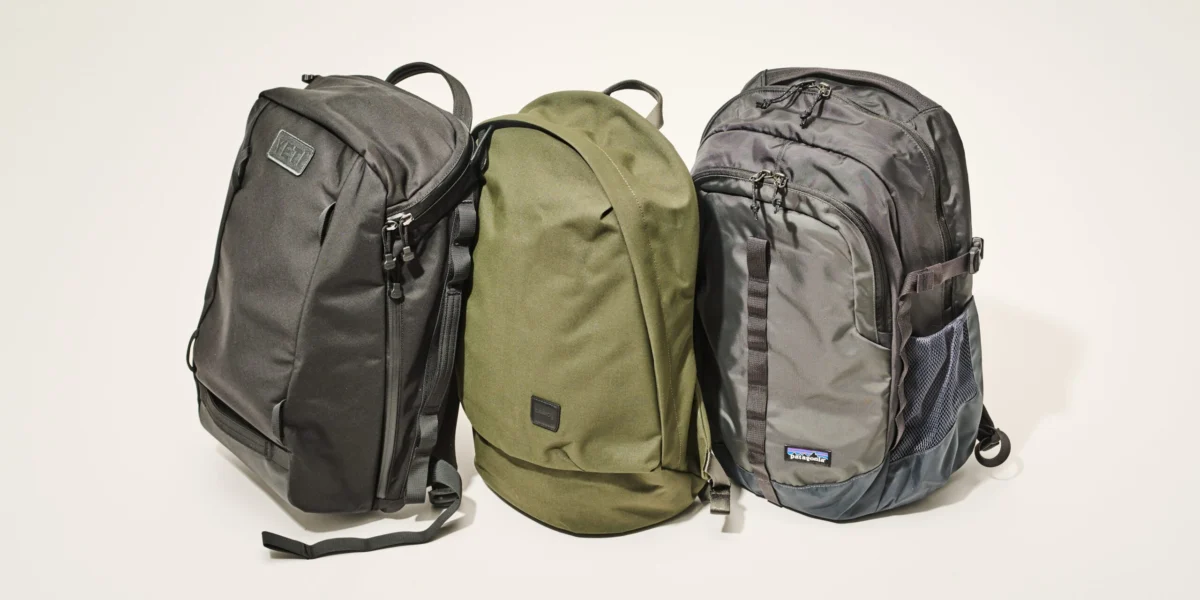
"The evolution of the backpack has shifted from simple utility to a sophisticated intersection of ergonomic engineering, sustainable material science, and hybrid functionality, catering to a generation that demands seamless transitions between the office and the outdoors."

As the boundaries between professional environments and personal adventures continue to blur, the gear we use to navigate these spaces has undergone a radical transformation. No longer just a sack for books or camping supplies, the modern backpack has become a highly specialized tool designed to protect expensive technology, reduce physical strain through advanced lumbar support, and minimize environmental impact through recycled textiles. Choosing the right carry-on or daily driver now requires an understanding of volume dynamics, weatherproof ratings, and the specific ergonomic needs of the human frame.
The Rise of the Sophisticated Daily Driver
In the realm of everyday carry (EDC), the Swedish philosophy of functional minimalism is perhaps best exemplified by the Fjällräven Räven 28. While many associate the brand with its boxy Kånken predecessor, the Räven 28 represents a more rugged, mature evolution. It is defined by its use of G-1000 HeavyDuty Eco—a blend of recycled polyester and organic cotton that offers legendary durability. The design features a fleece-lined top pocket, a detail specifically engineered for the modern professional who needs a scratch-free sanctuary for sunglasses or high-end mobile devices. Its water-resistant makeup and quick-drying capabilities make it a reliable companion for those who commute through unpredictable weather, proving that a pack can be "at home" simultaneously on a city bus and a weekend trail.

Parallel to this is the Bellroy Classic Backpack, which leans heavily into the "classic-modern" aesthetic. Bellroy has built a reputation on slimming down the silhouettes of our daily lives, and this pack is no exception. Beyond its recycled polyester construction and leather accents certified by the Leather Working Group, it utilizes an ergonomic back molding that traces the contours of the spine. This focus on bio-mechanics ensures that even when the 20L capacity is pushed to its limit with a 16-inch laptop, the load remains balanced and the strain on the trapezius muscles is minimized.
Ergonomics and the Science of Comfort
When the priority shifts from aesthetics to pure physical endurance, The North Face Borealis stands as a benchmark for lumbar health. Long-term carry can lead to chronic back fatigue if the weight is not distributed correctly. The Borealis addresses this through a stand-up design that keeps the center of gravity close to the wearer’s back and a dedicated lumbar support system. The iconic external bungee system is not merely a design flourish; it provides a compression mechanism that prevents the internal load from shifting, which is critical for maintaining balance during high-cadence movement. Whether on campus or a technical trail, the addition of a sternum strap provides the secondary stability needed to prevent shoulder-strap slippage, making it one of the most effortless carries in the 28L category.

Similarly, the July Carry All 20L emphasizes the "wearability" of the bag. While it carries a slightly heavier dry weight of 2.2 pounds—a byproduct of using higher-denier, weather-resistant fabrics and gunmetal hardware—it compensates with a quilted back panel. This design mimics the comfort of a soft garment while providing a structured sleeve for a laptop. The inclusion of pull-tabs for efficient strap adjustment speaks to a broader trend in gear design: the "easy-tinker" interface, allowing users to re-fit their bag on the fly as they add or remove layers of clothing.
Durability and the "Over-Engineered" Ethos
For those whose lifestyle demands near-indestructible gear, brands like Yeti have moved from the cooler market into the soft goods space with a focus on "toughness as a standard." The Yeti Crossroads 22L is a testament to this, utilizing materials that resist abrasion and punctures common in airport transit or rugged field use. A standout feature here is the "side hustle" pocket, which allows access to hydration or essentials without requiring the user to fully doff the pack. This caters to the "active hydration" demographic—hikers and commuters who cannot afford to break their stride.

Patagonia’s Refugio Daypack 26L takes a different approach to durability by focusing on the ethics of the supply chain. Manufactured in Fair Trade Certified facilities, the Refugio is an ultralight powerhouse at just 1.6 pounds. It bridges the gap between a technical hiking bag and a school pack, featuring a dedicated hanger for a hydration reservoir alongside organizational compartments for office supplies. This versatility is the hallmark of modern "crossover" gear, where a single purchase serves multiple facets of a consumer’s life.
The Hybrid Revolution: Modularity and Specialization
The most significant shift in the industry is the move toward modularity, led by innovators like Peak Design. Their Everyday Totepack is a masterclass in "High IQ" design, utilizing internal dividers inspired by origami to allow users to customize the internal architecture of the bag. This is particularly vital for photographers or tech enthusiasts who need to separate lenses from laptops. The use of a magnetic-and-zipper combo for top access provides a "fail-safe" security measure, ensuring that even if the zipper is left open, the magnetic flap prevents items from spilling out.

Peak Design is also pushing the boundaries of what a backpack can be through modular systems currently seen in their latest outdoor line. By creating a 2-in-1 system—a 30L base for heavy lifting and a detachable 10L daypack for essentials—they are solving the "traveler’s dilemma": the need for a large bag for transit and a small bag for the destination. This modularity, combined with theft-deterring pulls and camera cube integration, suggests a future where our gear is as adaptable as our software.
Specialized Solutions for the Urban Commuter
For the urban cyclist, weatherproofing is not a luxury but a requirement. Specialized commuter packs now feature waterproof liners that protect electronics even during torrential downpours. These bags often prioritize compartmentalization, offering a "filing cabinet" approach to internal storage. However, the trade-off is often internal volume; as dividers and pouches are added, the "bulk" capacity can be impeded. Smart commuters are now looking for workarounds, such as utilizing bike-frame water bottle holders to free up internal bag space, allowing the pack to focus on its primary job: protecting the laptop and professional documents.

Sustainability also plays a major role in the urban sector. The Everlane ReNew Transit, made entirely from recycled polyester, offers a "street sense" aesthetic that fits into a corporate boardroom as easily as a coffee shop. Its ability to be machine washed and its compression-focused design make it an ideal choice for the "one-bag" traveler who wants to look professional without the bulk of traditional luggage.
Conclusion: The Future of the Carry
As we look toward the future of personal transport and gear, the backpack remains the most efficient way to carry a load. However, the "perfect" pack is no longer a static concept. It is a shifting target that depends on the wearer’s specific needs for tech protection, ergonomic support, and environmental responsibility. From the 1.5-pound minimalist shells to the 5.4-pound modular expedition systems, the industry is proving that whether you are commuting by bike, boarding a trans-Atlantic flight, or hiking a coastal trail, there is a meticulously engineered solution designed to make the weight of the world feel a little lighter on your shoulders.
