
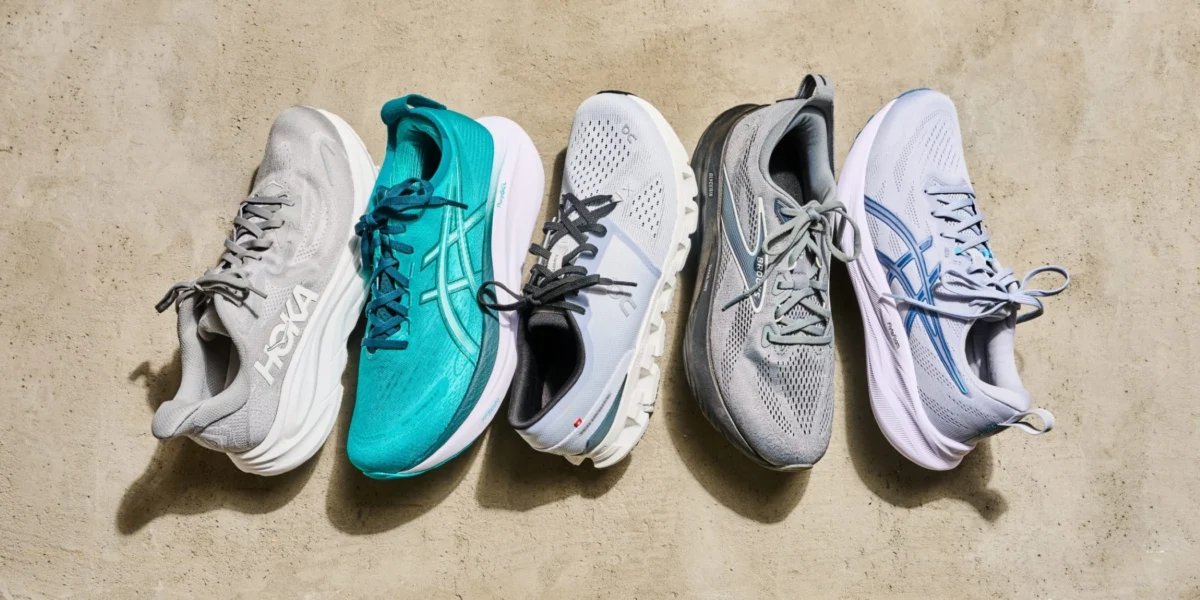
"Selecting the right walking shoe is not merely a matter of aesthetic preference, but a critical investment in biomechanical health, where the precise intersection of cushioning, stability, and foot shape dictates the long-term integrity of the joints and spine."

This insight underscores a shift in how fitness enthusiasts and medical professionals view low-impact exercise. As walking cements its status as a foundational pillar of cardiovascular health and weight management, the footwear industry has responded with sophisticated engineering previously reserved for elite marathoners. By integrating advanced materials like nitrogen-infused foams and proprietary rocker geometries, modern walking shoes are designed to mitigate the repetitive impact of thousands of daily steps, ensuring that the body’s natural gait is supported rather than hindered by its equipment.
The Evolution of the Walking Shoe
For decades, walking shoes were often the neglected siblings of high-performance running trainers, frequently characterized by heavy leathers and rigid soles. Today, the distinction has blurred, with the industry’s most innovative brands repurposing running technology to suit the specific biomechanics of the walking gait. Unlike runners, who often land with two to three times their body weight in impact, walkers maintain a consistent "double-support" phase, requiring a different approach to energy return and heel-to-toe transitions.

Experts like Dr. Mark Mendeszoon, a board-certified podiatrist, emphasize that while running shoes can be excellent for walking due to their superior shock absorption, the choice must be dictated by individual foot architecture. From the plush, maximalist stacks of Hoka to the zero-drop philosophy of Altra, the current market offers a spectrum of solutions for every foot type and environment.
Maximalist Comfort: The Leaders in Plush Cushioning
At the forefront of the "comfort-first" movement is the Hoka Clifton 10. This latest iteration continues the brand’s tradition of earning the American Podiatric Medical Association (APMA) Seal of Acceptance. The Clifton 10 has become a staple not only for fitness walkers but for "tactical athletes"—professionals in retail and healthcare who spend 12-hour shifts on their feet. The shoe utilizes a high-stack CMEVA foam that provides a cloud-like sensation without the weight typically associated with such volume. Weighing in at just 9.8 oz with a 5mm drop, its signature Metarocker geometry helps roll the foot forward, reducing the muscular effort required for each toe-off.

Similarly, the Brooks Glycerin 22 represents the pinnacle of neutral cushioning. By employing a nitrogen-infused DNA Loft v3 foam, Brooks has created a midsole that is both lighter and more resilient than traditional EVA. The Glycerin 22 is notable for its wider platform, which offers inherent stability without the need for intrusive medial posts. While the newer Glycerin 23 has recently hit the market, many experts still recommend the 22 for its lighter profile and exceptional value.
For those seeking a premium, "luxury" feel, the Asics Gel-Nimbus 28 offers one of the most sophisticated uppers in the category. Its breathable knit construction and spacious toe box cater to walkers whose feet may swell during long-distance efforts. The 8mm drop and FF Blast Plus ECO cushioning create a balanced ride that is protective yet responsive.

Versatility and Urban Performance
Not every walker requires maximalist foam; some prioritize agility and crossover utility. The On Cloud X4 is engineered for the "active commuter." It features On’s signature Cloudtec pods and a Helion superfoam midsole, delivering a firmer, more responsive feel than its competitors. The inclusion of an X-shaped Speedboard enhances forefoot flex, making it ideal for those who transition from a morning walk to a lateral-movement workout at the gym.
The Brooks Ghost 17 remains the quintessential "reliable" shoe. Founded in 1914, Brooks has refined the Ghost line to be the ultimate neutral trainer. The 17th version introduces an air mesh upper and nitrogen-infused foam in the heel and forefoot. It is a "no-frills" workhorse that provides consistent performance from the first mile to the hundredth, making it an ideal choice for those who want one shoe to handle all daily activities.

Orthopedic Support and Specialized Biomechanics
For walkers dealing with chronic pain or specific structural needs, specialized brands like Kuru and Altra offer unique solutions. The Kuru Atom 2 is designed with a heavy emphasis on orthopedic support. Its KURUSOLE technology is engineered to cup and protect the heel, making it a favorite for those suffering from plantar fasciitis. While heavier than standard trainers at 13.1 oz, the stability and shock absorption it provides are unparalleled for low-mileage daily wear.
The Altra Via Olympus 2 takes a different approach, focusing on "natural" foot movement. Altra’s two defining features—a "FootShape" toe box and a Zero-Drop platform—ensure that the heel and forefoot remain at the same height from the ground. This encourages a more natural gait and allows the toes to splay, which can reduce the risk of bunions and other forefoot deformities. The Via Olympus 2 combines this philosophy with a high-stack height, offering a plush ride that doesn’t compromise the foot’s natural mechanics.

Outdoor Durability and Trail Performance
When the walking route leaves the pavement, the requirements for traction and protection increase. The Keen WK450 Waterproof is a standout for nature enthusiasts. It features a newly patented "constant curve" construction—a dramatic rocker bottom that facilitates forward momentum on uneven terrain. Its waterproof membrane ensures feet stay dry in inclement weather, while the 11mm drop provides significant heel protection during downhill treks.
For more aggressive trail walking, the Kuru Atom Trail offers a rugged synthetic upper with TPU overlays for durability. Like its road counterpart, it features the Kuru Sole to cradle the heel, but adds an aggressive outsole for grip on gravel and dirt. It is a "true traditional trail shoe" that prioritizes protection against the elements over speed.

Value and Accessibility
High-performance footwear often comes with a premium price tag, but the Asics Gel-Pulse 17 proves that quality doesn’t always require a significant investment. At approximately $105, it offers FF BLAST cushioning and the brand’s signature GEL technology. The updated jacquard mesh upper provides better ventilation than previous models, making it a strong contender for those who need a reliable daily walker on a budget.
Determining Your Foot Type: The "Wet Test"
Finding the perfect shoe requires more than just reading reviews; it requires an understanding of one’s own anatomy. Dr. Mendeszoon recommends the "wet test" as a starting point. By stepping onto a flat surface with wet feet, the resulting imprint reveals the arch type:

- Flat Imprint: Indicates low arches (overpronation), suggesting a need for stability shoes or arch support.
- Minimal Arch Imprint: Suggests neutral or high arches, which typically benefit from more cushioning.
For a more clinical analysis, experts suggest visiting specialized clinics that use tools like the Foot Levelers Digital Foot Scanner. These machines can identify specific pressure points that may be contributing to secondary issues, such as lower back pain or hip misalignment.
Maintenance and Replacement: The 500-Mile Rule
Even the best-engineered shoes have a finite lifespan. As a general rule, walking shoes should be replaced every 300 to 500 miles. For the average person walking 45 minutes three times a week, this translates to a replacement cycle of every three to five months.

Signs that a shoe has reached its end-of-life include:
- Visible Tread Wear: Smoothing of the outsole or holes in the mesh.
- Compression Set: The midsole foam no longer "rebounds" and feels flat or hard.
- New Aches: Unexplained foot, knee, or hip pain during or after a walk.
- Odor Retention: Persistent bacteria buildup that survives cleaning attempts.
The Impact of Walking on Metabolic Health
The surge in walking shoe technology is fueled by the growing body of evidence regarding walking’s impact on weight loss and longevity. Notable figures like powerlifter Mark Bell and actor Will Smith have championed walking as a primary tool for body transformation. Success stories abound of individuals losing 60 to 200 pounds by combining a consistent daily step count with a managed diet (CICO).

Experts suggest that for those starting a fitness journey, consistency is more important than intensity. Committing to a 10-minute walk after dinner and slowly increasing the duration—rather than attempting 10,000 steps on day one—is the most sustainable path to success. With the right footwear acting as a safeguard for the joints, walking remains the most effective, accessible, and sustainable "medicine" available for long-term health.
