
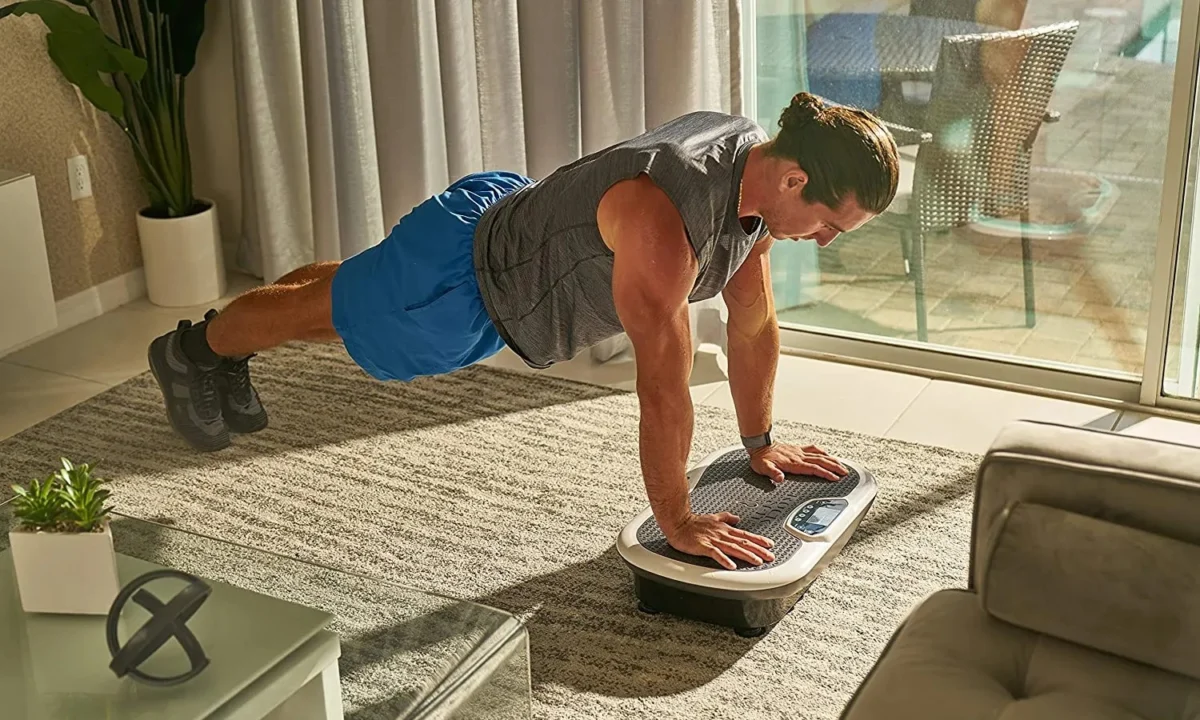
"While vibration plates are not a substitute for traditional strength training, they serve as a high-value supplemental tool for enhancing muscle recovery, improving circulation, and providing a low-impact stimulus for the neuromuscular system."

The integration of whole-body vibration (WBV) technology into home fitness environments marks a significant shift in how athletes and wellness enthusiasts approach recovery and supplemental training. Originally developed to help astronauts maintain bone density and muscle mass in zero-gravity environments, vibration plates have transitioned from specialized medical and elite athletic facilities to the average living room. However, as the market expands with options ranging from budget-friendly compact units to commercial-grade platforms, understanding the nuances of vibration types, frequency ranges, and realistic physiological outcomes is essential for any consumer looking to enhance their physical well-being.
The Science and Limitations of Whole-Body Vibration
To understand the value of a vibration plate, one must first distinguish between marketing claims and clinical reality. The primary mechanism at work is the "tonic vibration reflex," a rapid stretching and contracting of muscle fibers in response to the mechanical oscillations of the platform. This process can increase blood flow and metabolic demand, but it is rarely a standalone solution for major fitness goals.

Regarding bone health, the consensus among sports scientists—including experts like Gallucci—is that WBV does not significantly increase bone density for the average healthy adult. Bone remodeling requires high-magnitude, weight-bearing stress, such as heavy lifting or high-impact plyometrics. While some studies, including a 2024 systematic review, suggest potential benefits for post-menopausal women at specific high doses, the general population should view vibration as a secondary support rather than a primary preventative measure for osteoporosis.
Similarly, weight loss remains a byproduct of a caloric deficit and consistent movement. While vibration plates can slightly increase the difficulty of a static hold or a squat, they do not burn enough calories on their own to trigger significant fat loss. Where these machines truly shine, however, is in the realm of recovery. Research indicates that vibration therapy can modestly reduce the symptoms of Delayed Onset Muscle Soreness (DOMS) by improving lymphatic drainage and reducing perceived pain levels following intense bouts of exercise.

Top-Tier Professional Standards: The Power Plate Series
For those seeking the gold standard in vibration technology, the Power Plate brand remains the industry benchmark. Recommended by fitness experts such as Roberts and Samuel, the Personal Power Plate and the Perfect Balance Bundle represent the pinnacle of commercial-grade engineering adapted for home use.
The Personal Power Plate utilizes tri-planar vibration, moving in three directions simultaneously to mimic the natural forces of gravity. This machine can vibrate up to 50 times per second, providing a high-frequency stimulus that is far more intense than entry-level models. Its lightweight design (47.3 lbs) belies its durability, and the inclusion of a remote control and soft carrying case makes it a viable option for those who travel or move their equipment frequently.

For users who prioritize stability, the Perfect Balance and Flexibility Bundle adds a dedicated balance bar. While the marketing suggests this improves balance—a claim debated by some trainers—the practical benefit is undeniable: it provides security for older users or those recovering from injury who may feel vertigo or instability when the machine is at high frequencies. At a premium price point near $2,000, these units are investments in long-term durability and professional-grade performance.
Versatility and Mid-Range Performance: LifePro and VT Vibration
The LifePro Waver Vibration Plate is currently one of the most popular choices for users who want a balance between affordability and functionality. What sets the Waver apart is its focus on full-body training. By including resistance bands and yoga straps that attach directly to the base, LifePro allows users to perform bicep curls, lateral raises, and rows while the platform oscillates. This adds a layer of instability to standard resistance movements, forcing the core to engage more deeply. With 99 speed settings and a whisper-quiet motor, it is designed for the modern apartment dweller who needs to train without disturbing neighbors.

In contrast, the VT Vibration VT007 focuses on the purity of the vibration itself. Unlike oscillating plates that rock side-to-side, the VT007 provides linear (vertical) vibration. This is often preferred by those focusing on lymphatic drainage and specific therapeutic applications. Gallucci recommends the VT007 for its compact footprint and adjustable frequency, which allows for a highly customized experience. A standout feature of this model is its 10-year warranty, a rarity in the fitness equipment industry that speaks to the manufacturer’s confidence in its mechanical longevity.
Entry-Level and Budget-Friendly Options: Merach and AXV
For those new to the technology, the Merach Vibration Plate offers an accessible entry point. Priced around $110, it simplifies the experience with 10 speed levels and an intuitive LED screen. It also includes a built-in Bluetooth speaker, acknowledging that for many, the vibration plate is a place for "active rest" where one might listen to a podcast or music while decompressing after a workout. Its 400-lb weight limit is notably higher than many premium models, making it an inclusive choice for larger users.

The AXV Vibration Plate represents the ultra-compact end of the spectrum. Weighing less than 20 pounds and featuring a slim profile, it is designed to slide under a bed or into a closet with ease. Despite its small size, it boasts 120 speed levels. However, experts note that "more" speed levels do not always equate to better performance; the quality of the motor and the stability of the plastic components are often more critical. The AXV is a solid compromise for those on a strict budget, though users should be prepared for more "plastic" feel in the construction compared to the steel and high-density rubber found in Power Plate or LifePro models.
Key Considerations for the Consumer
When selecting a vibration plate, the decision should be guided by three primary factors:

- Vibration Type: Oscillating plates (rocking side-to-side) are generally gentler and better for beginners or those focused on general wellness. Tri-planar plates (moving in three dimensions) offer a more intense, "professional" feel suited for athletic performance. Linear plates (up and down) are often preferred for specific medical or therapeutic recovery protocols.
- Frequency and Speed: Do not be misled by the number of speed settings. A machine with 99 speeds may have a smaller total range than a professional machine with only 6 speeds. Look for the actual Hertz (Hz) range if provided; higher frequencies (30–50 Hz) are typically required for the most significant neuromuscular benefits.
- Space and Portability: If the device is too heavy to move, it will likely stay in one place. If you have a dedicated home gym, a heavier, more stable unit like the Power Plate is ideal. If you are training in a multipurpose room, look for units with built-in wheels and a weight under 30 pounds, such as the LifePro or AXV.
Conclusion
Vibration plates are an evocative example of how high-tech recovery tools have become democratized for home use. Whether utilized as a platform for intensified squats, a tool for post-run recovery, or a way to stimulate circulation during a sedentary workday, these machines offer a unique mechanical stimulus that traditional exercise cannot replicate. By aligning one’s expectations with the scientific reality of WBV—focusing on recovery and supplemental benefits rather than "magic" weight loss—consumers can choose a device that truly enhances their fitness journey. From the commercial-grade precision of the Power Plate to the versatile, band-equipped LifePro Waver, there is a vibrating solution for every level of athlete.
