
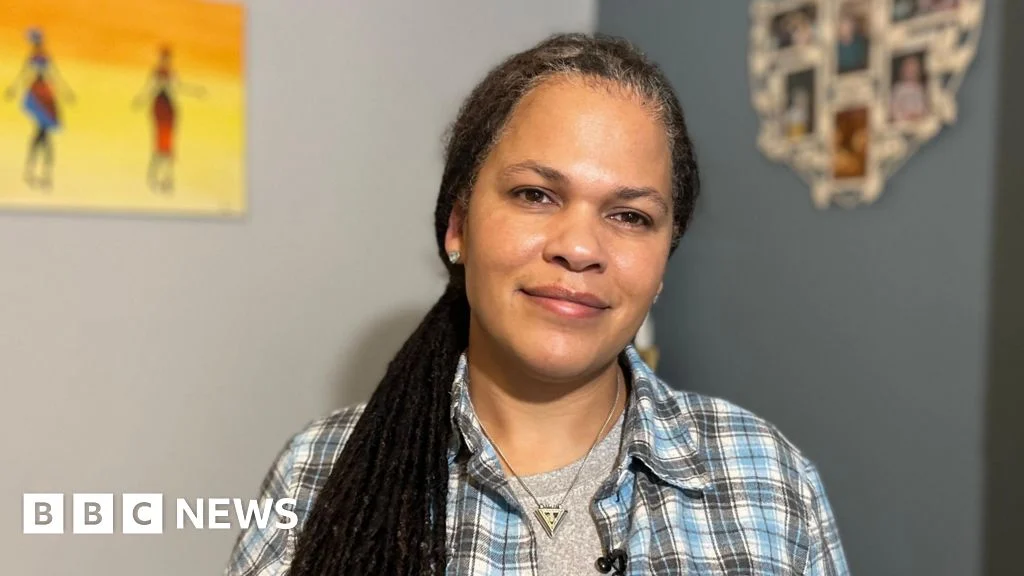
"It’s barbaric. That’s how bad the pain is, it’s absolutely barbaric." These stark words from Nichola Howells encapsulate the harrowing reality faced by countless women enduring endometriosis, a condition often dismissed and left undiagnosed for decades, leading to profound physical and emotional suffering.
This devastating delay in diagnosis is a systemic failure within healthcare, forcing individuals like Nichola to battle debilitating pain and profound misunderstanding. With one in ten women in the UK affected by endometriosis and the average diagnostic waiting time stretching to over nine years, the urgent need for enhanced medical training, increased awareness, and dedicated support systems has become unequivocally clear. The deeply personal accounts of those afflicted illuminate a critical gap in women’s health, demanding immediate and comprehensive reform to prevent further generations from enduring such prolonged and preventable agony.
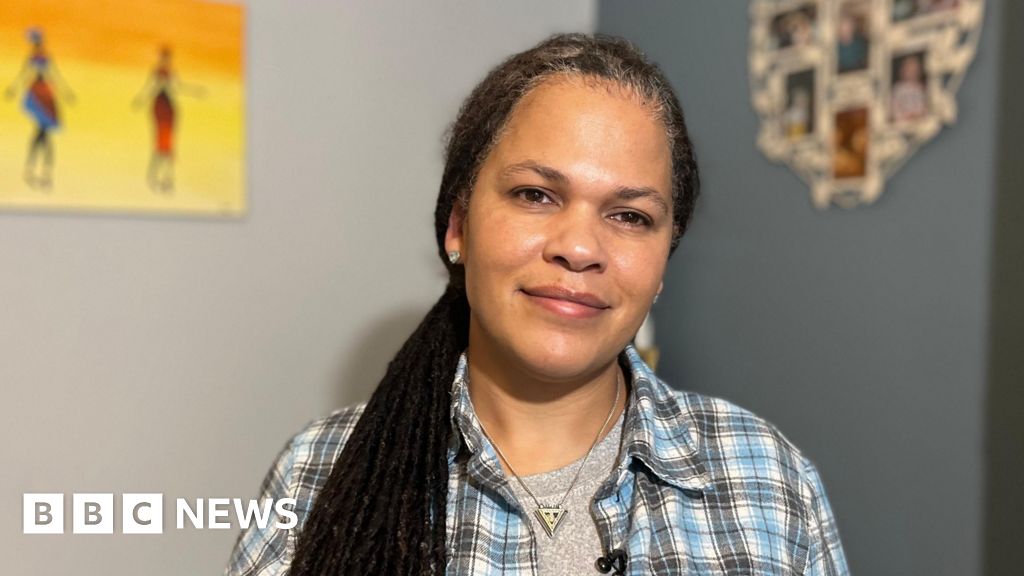
For Nichola Howells, a 47-year-old woman from Manchester, the journey to an endometriosis diagnosis was a torturous odyssey spanning three decades. Her ordeal began at the tender age of 14, when she first started experiencing unusually heavy and excruciatingly painful periods. What should have been a clear indicator of a significant underlying issue was instead met with a consistent pattern of dismissal by various healthcare professionals, including general practitioners and even specialist gynaecologists. This pervasive lack of recognition and empathy meant that by the time Nichola finally received her diagnosis, she was, in her own words, "literally riddled" with the advanced stages of the disease.
Endometriosis is a chronic condition where tissue similar to the lining of the womb, known as the endometrium, grows outside the uterus. These growths, or lesions, can be found on organs such as the ovaries, fallopian tubes, and the tissue lining the pelvis. In severe cases, as Nichola experienced, it can infiltrate deeper into ligaments, the intestine, bladder, and even spread to areas outside the pelvic cavity, such as the diaphragm or lungs. Unlike menstrual blood that exits the body, these misplaced endometrial-like cells respond to hormonal changes, thickening and bleeding internally. This process leads to inflammation, scarring, adhesions (fibrous bands that can bind organs together), and the formation of cysts, causing immense pain and often impacting fertility.
Nichola’s experience of being ignored or trivialised by medical staff is far from unique. She recalls one particularly distressing incident where a doctor callously advised her to "rid herself of her crippled mentality" – a statement that not only exemplifies a severe lack of understanding but also highlights the deeply entrenched medical bias that often discredits women’s pain. Such encounters erode trust in the healthcare system and deter women from seeking help, perpetuating the cycle of delayed diagnosis and escalating suffering. By the time Nichola was finally diagnosed, her condition had progressed to Stage 4, characterised by deep infiltrating endometriosis spread extensively across her ligaments, intestine, pelvis, ovaries, and uterus. This advanced stage indicates a widespread and severe form of the disease, making treatment significantly more complex and the pain more unrelenting. "Three decades is absolutely insane," she lamented, reflecting on the lost years and the profound impact on her life.
The physical manifestations of endometriosis are varied and often debilitating. Beyond severe pelvic pain, heavy and painful periods (dysmenorrhea), and painful intercourse (dyspareunia), women can experience chronic fatigue, pain with bowel movements (dyschezia) or urination (dysuria), nausea, bloating, and even digestive issues that mimic irritable bowel syndrome (IBS). The phenomenon known as "endo belly," a term used to describe the uncomfortable and often painful abdominal swelling and bloating associated with the disease, is a common and distressing symptom, as vividly illustrated by images of Nichola’s abdomen during a flare-up compared to an average day. This bloating is often caused by inflammation, trapped gas, and fluid retention resulting from the endometrial-like implants.
The World Health Organisation states that endometriosis affects approximately one in ten women globally, underscoring its widespread prevalence. Despite this, a new report by the charity Endometriosis UK reveals that the average waiting time for a diagnosis in the UK has reached a staggering nine years and four months. This protracted delay is not merely an inconvenience; it represents years of missed opportunities for intervention, disease progression, and immeasurable suffering for those affected.
Jessica Smith, a 32-year-old from St Helens, shares a similar narrative of early symptoms and delayed recognition. Her symptoms began at the age of 12, but it was not until she dramatically collapsed at 24, due to a ruptured ovarian cyst, that she felt compelled to demand medical attention, insisting that her pain was "more than just a heavy period." A ruptured ovarian cyst is a severe and acute event that can cause intense pain and internal bleeding, often requiring emergency medical intervention. Even after such a dramatic incident, a definitive diagnosis of endometriosis remained elusive. It was only months later, after hearing a radio broadcast about endometriosis and presenting a comprehensive list of symptoms to her doctor, that Jessica finally received an accurate diagnosis.

Jessica’s experience highlights the critical role of public awareness and patient advocacy in overcoming diagnostic barriers. "The pain started to become a daily thing after my ovarian cyst ruptured, and then my mobility started to be affected, and I couldn’t work," she recounted. Realising the dire lack of accessible and reliable information about endometriosis, Jessica embarked on a mission to create change, launching a petition for a national endometriosis registry. Such a registry would be invaluable for collecting anonymised data on prevalence, treatment outcomes, and patient experiences, thereby informing research, improving care standards, and facilitating faster diagnoses.
Jessica’s initiative rapidly gained traction through social media, fostering a powerful community of individuals united by their shared experiences. She observed, "I couldn’t find the right information to make an informed decision on my diagnosis. It was just a lot of guesswork and a lot of us feeling like guinea pigs when it comes to our health care." This sentiment resonates deeply with many chronic illness sufferers who feel their conditions are not adequately understood or researched by the medical establishment. Her message to others living with endometriosis is one of empowerment and solidarity: "Seek help, seek a community as well. Reach out to people, it makes such a difference to know people and be friends with people with endometriosis." The power of peer support cannot be overstated in managing the psychological burden of a chronic, often invisible, illness.
Consultant Gynaecologist Gaity Ahmad, who leads the endometriosis service for the Northern Care Alliance, unequivocally agrees that a fundamental issue lies in medical education. She asserts that there is a "dearth of training" for medical professionals, starting "right from medical school," which directly contributes to the difficulties in "identifying and diagnosing" the disease. This lack of comprehensive training means that many doctors are not equipped to recognise the subtle, or even overt, symptoms of endometriosis, often leading to misdiagnosis as other conditions like IBS or simply dismissing the pain as normal menstruation.

Dr. Ahmad emphasises that research and targeted training are not merely beneficial but "vital" to address this crisis. She advocates for the establishment of specialised women’s health hubs, designed to provide early, integrated, and multidisciplinary care for patients. These hubs would serve as centres of excellence, staffed by professionals with expertise in conditions like endometriosis, ensuring that patients receive timely referrals and appropriate management. "We need to act urgently, and unless the government intervenes, there is no hope," she declared, highlighting the critical need for political will and substantial investment to rectify this long-standing healthcare disparity.
The Department of Health and Social Care acknowledges the severity of the situation. A spokesperson stated, "Waiting decades for an endometriosis diagnosis is unacceptable, and these stories show just how badly women with the condition have been let down." The department has committed to implementing changes, including renewing the Women’s Health Strategy, investing in training for new doctors on endometriosis, and working to cut waiting times for gynaecology treatment more broadly. Furthermore, they are actively supporting the opening of women’s health hubs, aligning with Dr. Ahmad’s recommendations, to provide comprehensive care for menstrual problems and endometriosis. The prioritisation of the condition through NHS online services is also intended to offer women quicker access to necessary care and information.
While these commitments signal a recognition of the problem and a step towards improvement, the scale of the challenge demands sustained and rigorous action. The emotional and physical toll of endometriosis extends beyond individual suffering, impacting relationships, careers, and overall quality of life. The economic burden on healthcare systems due to delayed diagnosis and complex, advanced-stage treatments is also substantial. Addressing this health disparity requires a multifaceted approach: comprehensive medical curriculum reform, increased funding for research into causes and cures, widespread public awareness campaigns, and equitable access to specialised care. Only through such dedicated and collective efforts can the medical community hope to alleviate the "barbaric" pain and dismantle the systemic barriers that have plagued women with endometriosis for far too long.
