
"True athletic development is not found in the intensity of a single session, but in the relentless accountability of a culture where every staff member and player prioritizes physical evolution as a non-negotiable standard."
The University of Houston men’s basketball program has transformed itself into a perennial powerhouse by treating the weight room not as a secondary facility, but as the forge where their competitive identity is shaped. By integrating high-level sports science, custom-engineered equipment, and a rigid culture of presence, the Cougars have created a developmental model that prepares athletes for the physical rigors of the NCAA tournament and beyond.
For the University of Houston, the pursuit of a national championship does not begin with the opening tip-off in November; it begins at 5:45 a.m. in the humid Texas summers. The program’s 6:30 a.m. workouts are a foundational pillar of the "Houston Way." While many programs delegate early-morning conditioning to graduate assistants or junior trainers, Houston demands total institutional presence. When a player enters the facility, they find the entire ecosystem of the program already in place: head coach Kelvin Sampson, the full coaching staff, managers, video coordinators, and administrative personnel. This collective attendance serves a psychological purpose far beyond mere supervision. According to Alan Bishop, the Director of Sports Performance, this "all-in" approach emphasizes that player development is the highest priority of the organization. It creates an environment of absolute accountability where the standard is set by those at the top.
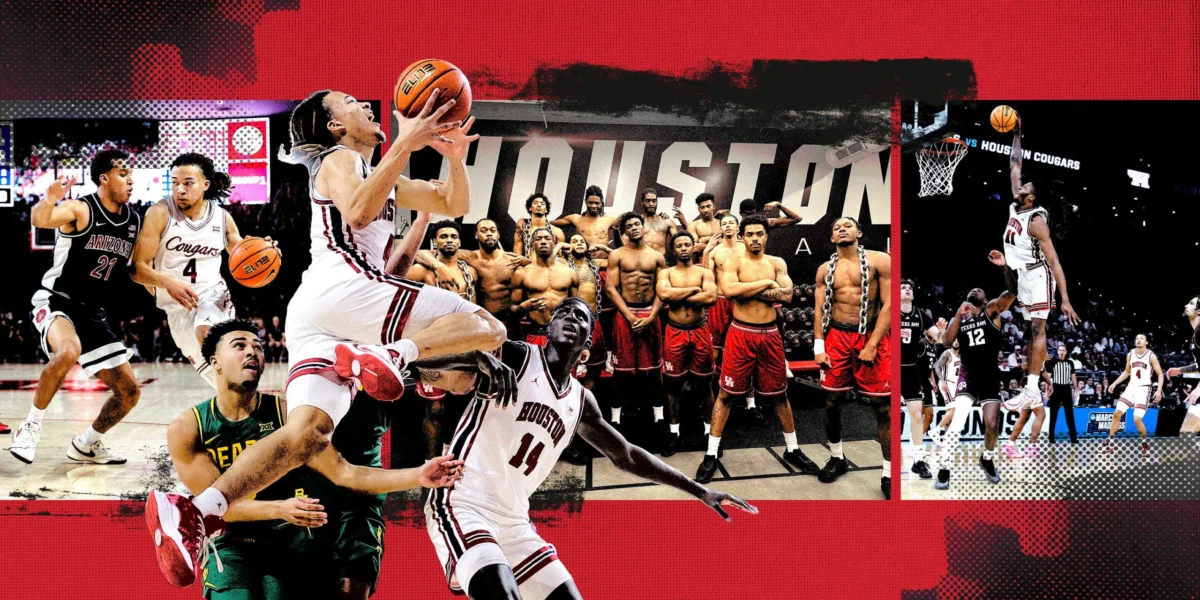
This culture of intensity gained national attention when a viral photograph of the 2024-25 squad began circulating, showcasing a roster of athletes with professional-grade physiques. To the casual observer, the "jacked" appearance of the team might seem like a vanity project, but for Bishop and Sampson, it is a functional necessity. The Houston identity is defined by physicality, relentless rebounding, and a defensive pressure that wears opponents down. This style of play requires a unique blend of explosive power and elite endurance. As the team prepares for its Sweet Sixteen matchup against Illinois in the 2026 NCAA Tournament, the dividends of these summer hours are evident in their ability to maintain a high motor late into the postseason.
The recruitment process at Houston acts as a natural filter for this demanding environment. Bishop and the coaching staff are transparent with recruits: the program is not for everyone. They actively seek "the kind of kids who run toward the challenge" rather than those who seek a more comfortable path. This self-selection ensures that by the time a player commits, they have already bought into the idea that their body is a tool that must be meticulously maintained and strengthened.

Since his arrival in May 2017, Bishop has overhauled the program’s physical infrastructure. Recognizing that elite basketball players—many of whom stand over seven feet tall—have anatomical needs that standard gym equipment cannot meet, Bishop convinced Sampson to invest in a highly customized training environment. Approximately 75 percent of the equipment in the Houston weight room is custom-made, sourced from specialized manufacturers across the globe.
To address grip strength and forearm development, Bishop utilized Watson, a UK-based company, to create dumbbells with thick, revolving handles. For specialized lower-body work, the program turned to Atlantis in Canada to fabricate a hack squat machine with an extended carriage specifically designed to accommodate the long levers of athletes exceeding seven feet. Barbells and bumper plates are sourced from Eleiko, a Swedish outfitter renowned for its precision in Olympic weightlifting, while Pennsylvania-based Prime Fitness custom-built the team’s hamstring-specific machinery. This level of customization ensures that every movement is optimized for the specific biomechanics of a basketball player, reducing the risk of injury while maximizing force production.
Bishop’s training philosophy is built upon three core tenets: mobility, stability, and skill. He argues that mobility is the prerequisite for all athletic movement; without the ability to reach deep ranges of motion, such as a full squat, an athlete cannot safely apply load. Once mobility is established, stability must be developed to protect the joints and ensure that power is transferred efficiently. However, the most unique aspect of Bishop’s approach is the concept of "training as a skill." He emphasizes the "mind-muscle connection," teaching players to lift with intention rather than just moving a weight from point A to point B. This pedagogical approach ensures that players understand the "why" behind every repetition, leading to more significant long-term gains.
The results are quantifiable. It is not uncommon for players in the Houston program to gain nearly 40 pounds of lean mass during their tenure. This is achieved through a concurrent periodization model, which simultaneously develops multiple physical attributes—such as hypertrophy, strength, and power—rather than focusing on one in isolation. As the season approaches, the focus shifts to "realization," peaking the athletes’ power output for maximum verticality and speed. Wednesdays are reserved for recovery, utilizing the ELDOA method. This specialized protocol focuses on longitudinal osteoarticular decoaptation, a method of stretching that targets specific joint spaces to relieve pressure on the spine and improve overall tissue health.
The program’s commitment to physical excellence extends into the kitchen. Nutrition at Houston is categorized into "three buckets." The first is the training table, which provides nutrient-dense, whole-food meals. Breakfast and lunch buffets feature high-quality proteins, healthy fats like nuts, and complex carbohydrates like oats and grits. Dinner is strategically managed; because practices often run late, players are provided with high-quality to-go meals from local restaurants, which are placed at their lockers. This ensures that even after a grueling session, recovery begins immediately.
The second bucket is the "fueling station," a 24-hour resource for hydration and snacking. Bishop maintains a strict policy on sugar: sports drinks with carbohydrates are reserved strictly for the high-intensity windows of practices and games. At all other times, athletes choose from water or high-quality protein supplements. The third bucket involves a clinical approach to supplementation. By monitoring blood panels, the staff addresses deficiencies in Vitamin D, Omega-3s, magnesium, and zinc, treating nutrition as a form of "longevity insurance" that drives performance.

Perhaps the most innovative aspect of the Houston facility is its dedication to sleep. Recognizing that recovery is the only way to sustain high-intensity training, the program installed eight custom-built sleeping pods. These private areas are designed to fit athletes over seven feet tall, allowing for daytime naps that Bishop describes as "supplements for recovery." By treating sleep with the same rigor as a practice session, the program ensures that its athletes are mentally sharp and physically restored.
This holistic approach to development creates a sense of ownership among the players. By enduring the early mornings, the custom-built challenges, and the strict nutritional standards, the athletes develop a psychological edge. As they face the high-stakes environment of the 2026 Sweet Sixteen, they carry the confidence of knowing they have overcome a struggle designed to break lesser competitors.
Exercises for Postseason Strength
To build the "March Madness strength" required for deep tournament runs, Bishop utilizes several key movements that offer high transferability to the basketball court.
The Overhead Press
While many programs over-emphasize the bench press, Bishop prioritizes vertical pressing for long-term shoulder health. He notes that vertical strength and mobility are better predictors of overall upper-body durability. A strong overhead press naturally improves horizontal pressing (bench press) numbers, but the reverse is rarely true. For basketball players who constantly reach and contest shots above their heads, vertical power is the superior metric.
The Front Squat
Bishop considers the squat the "king" of all exercises but specifically favors the front squat for athletes. The front squat requires a more upright torso and greater core engagement than the back squat. To accommodate the long limbs of his players, Bishop often utilizes a 10-degree wedge or slant board to elevate the heels. This modification allows the athletes to target the quadriceps more effectively and achieve full depth, which directly translates to increased vertical force production and a higher vertical jump.
By combining these specific technical applications with an uncompromising culture, the University of Houston has built more than just a basketball team; they have built a machine designed to endure the most grueling month in sports.
