
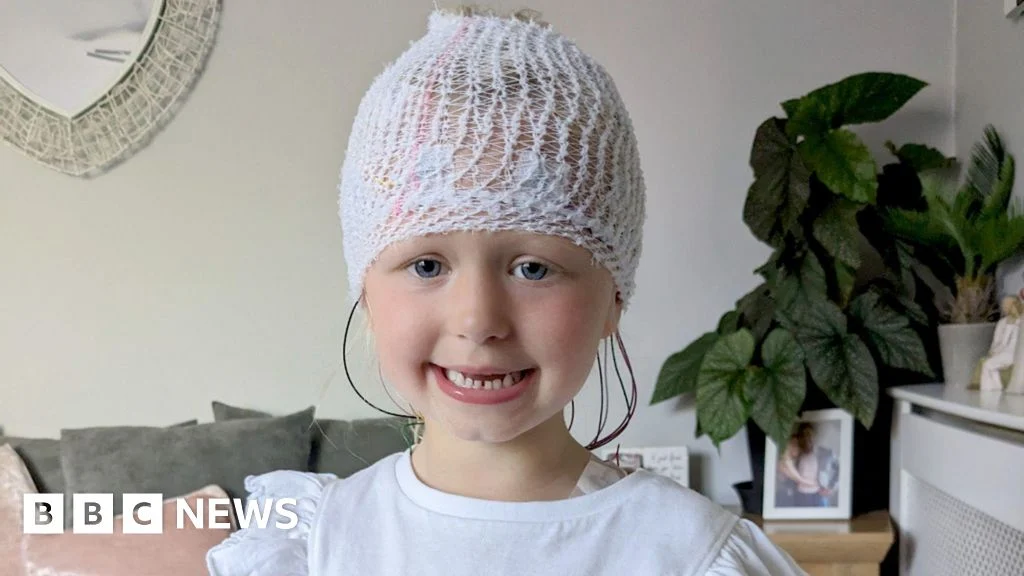
"Our daughter’s harrowing battle with Meningitis B, despite full vaccination, underscores the vaccine’s critical role in mitigating severity, while also revealing the ‘very rare’ instances where the disease can still strike. This experience compels us to advocate for wider vaccination access, emphasizing that every measure of protection against this devastating illness is invaluable."
The harrowing ordeal of four-year-old Noa-Rose Alderman from Blackwood, Caerphilly, serves as a poignant and critical reminder of the unpredictable nature of Meningitis B and the vital, yet sometimes incomplete, protection offered by vaccination. Her parents, Emma and Scott, witnessed their fully vaccinated daughter fight for her life in a "very rare" breakthrough case in December 2022. Their story is a powerful testament to both the vaccine’s life-saving potential and the urgent need for heightened awareness, rapid diagnosis, and potentially expanded immunisation strategies across the UK. It ignites a crucial conversation about public health policy, vaccine efficacy, and the relentless fight against a devastating disease that can strike with alarming speed.
The Aldermans’ nightmare began on what initially seemed like a normal Saturday. After a day at the park with her dad, Scott, Noa-Rose started complaining of pain in her leg. Her mother, Emma, a mum-of-four, initially attributed it to typical growing pains and gave her a bath. However, the situation rapidly escalated. "As soon as the water hit her body she was crying out in pain and discomfort," Emma recalled, indicating an unusual and severe reaction. They brought her downstairs to rest on the sofa, but within hours, a distinctive rash began to spread across her body, and her temperature soared to a dangerous 40°C – a severe fever signaling a profound systemic issue.
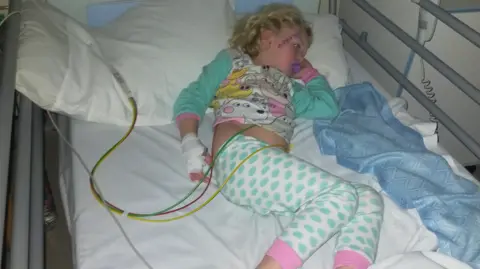
The family rushed Noa-Rose to Prince Charles Hospital in Merthyr Tydfil. Despite the alarming symptoms, doctors initially suspected scarlet fever or Strep A, common childhood infections, and discharged her. This initial misdiagnosis highlights a critical challenge in identifying meningitis, as early symptoms can mimic less severe illnesses, leading to precious delays in treatment. Meningitis, however, is characterized by its rapid progression, and Noa-Rose’s condition quickly worsened. In the middle of the night, she began vomiting uncontrollably and then became unresponsive, plunging her parents into unimaginable terror.
Recalling the harrowing moments, Emma vividly describes holding her "lifeless" daughter, a scene etched into their memory. "She was so unwell that doctors were trying to stabilise her in front of us," Emma recounted. The turning point came when Noa-Rose’s breathing changed, prompting Emma to scream. Scott remembers the shift in the medical team’s demeanor: "I think they [the doctors] realised then that obviously she was really, really ill and the mood just changed, and you could see she was fighting for her life, and there was nothing we could do about it. It was just like ‘what is happening here?’ and without a doubt it was the worst experience in my life." Suspecting sepsis, her parents rushed her back to the hospital where, following a lumbar puncture, the devastating diagnosis of Meningitis B was finally confirmed.
The subsequent two weeks were a blur of fear and uncertainty as Noa-Rose battled for her life on the high dependency ward. Her survival, Emma firmly believes, was directly linked to her vaccination status. "I can say with confidence that if Noa-Rose didn’t have the vaccines we wouldn’t have her with us now and we would have lost her," Emma stated, underscoring the vaccine’s profound impact on mitigating the severity of the disease, even when it doesn’t entirely prevent infection. This perspective is crucial for understanding vaccine efficacy: while no vaccine offers 100% protection against contracting an illness, many are highly effective at preventing severe disease, hospitalization, and death.
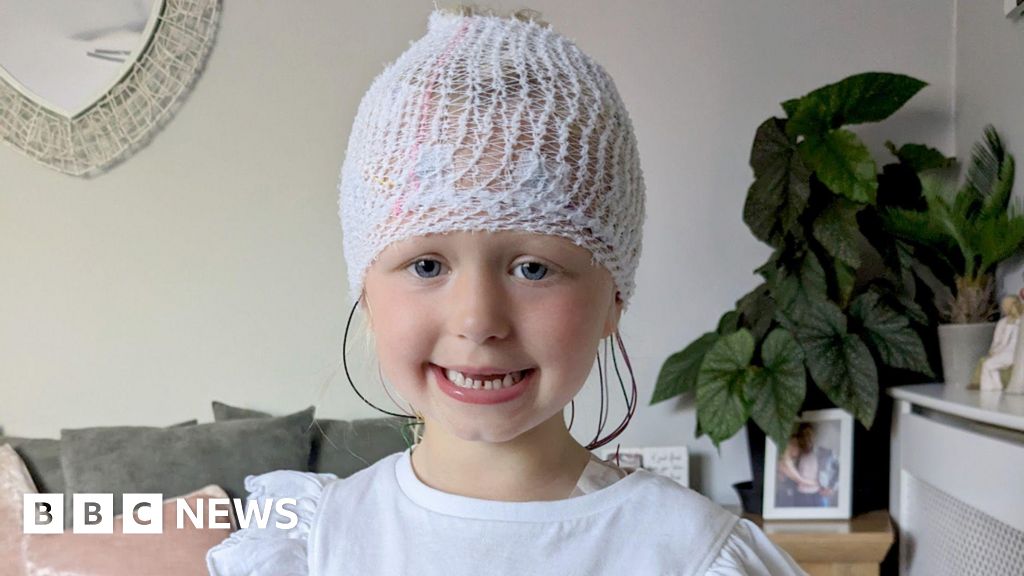
Life since meningitis has irrevocably changed for the Aldermans. "She’s a different child," Emma laments, describing the profound shift from being a parent to a full-time carer. Noa-Rose now requires ongoing medical treatment and faces a future punctuated by hospital appointments that frequently reveal new concerns. The emotional toll on Noa-Rose herself is significant; she is "having to grow up quite quickly, because of her medical needs," a heartbreaking reality for a child who "just wants to be a child."

Understanding Meningitis B
Meningitis is an inflammation of the membranes surrounding the brain and spinal cord, typically caused by bacterial, viral, or fungal infections. Bacterial meningitis, particularly meningococcal disease, is the most severe form. Meningococcal bacteria come in several types, or serogroups, including A, B, C, W, X, and Y. In the UK, Meningitis B (MenB) is the most prevalent strain, accounting for a staggering 82.6% (313 of 378) of all cases reported in the past year, according to UK government figures.
Babies are at the highest risk of contracting MenB because their immune systems are not yet fully developed and lack the antibodies needed to fight off the infection effectively. The disease is generally rare in children over the age of four, largely due to the success of the NHS childhood immunisation programme. The MenB vaccine is routinely offered to infants in three doses: at eight weeks, 12 weeks, and a booster dose at one year old. Noa-Rose had received all of these recommended doses, making her case particularly unusual and emphasizing the "very rare" nature of breakthrough infections.
The Call for Broader Protection and Advocacy
As an ambassador for Meningitis Now, Emma Alderman is a passionate advocate for increased awareness and expanded vaccination efforts. She implores parents to be vigilant and recognize the symptoms of meningitis, which can appear abruptly and progress with terrifying speed. These include a high fever, severe headache, vomiting, a distinctive rash that doesn’t fade under pressure (though this can be a late sign), a stiff neck, a dislike of bright lights, drowsiness or difficulty waking, and seizures. Emma stresses how a child can go from "being perfectly healthy, happy, running around, to facing a critical situation within a matter of hours."
Meningitis Now champions the "No Plan B for MenB" campaign, advocating for the introduction of an adolescent booster vaccine by 2030 and working to make the vaccine more affordable and accessible on the high street. Emma’s call for rolling out the vaccine to teenagers across the UK is particularly poignant in light of recent outbreaks, such as the "heart-shattering" cluster in Kent, where several students were affected. "I know what they’re going through and how frightening it is," she said, her words resonating with profound empathy.
Esme Lee, a support worker for Meningitis Now, reinforces the importance of vaccination. While acknowledging that vaccines are not 100% effective at preventing infection, she highlights their critical role in reducing the severity of illness. "Isn’t it better to be vaccinated and have that 75% chance than none at all?" she poses, emphasizing the significant protection afforded by immunisation. The charity’s campaign underscores the human cost of the disease: "This is about the cost of a young person’s life, and their family’s life. How do you put a price on that?"
Policy Responses and Political Perspectives

The Welsh government currently offers the MenB vaccine to babies as part of the routine childhood immunisation programme and the MenACWY vaccine to Year 9 pupils, protecting against strains A, C, W, and Y. Following the Kent outbreak, a spokesperson confirmed that resources and information have been shared with higher education institutions and healthcare professionals to enhance their ability to identify meningitis signs and respond effectively.
The Cwm Taf Morgannwg health board reiterated its commitment to "educating our teams and to continually improving the ways we identify and treat Meningitis," urging the public to be "aware of symptoms." They extended an invitation to Noa-Rose’s family to discuss any element of her care with their dedicated concerns team.
The issue has also garnered attention from Welsh political parties. Ian Chandler, Wales Green Party spokesperson for Health and Social Care, acknowledged the family’s concerns but stressed that vaccination guidance "should come from the chief medical officer based on expert advice from Public Health Wales, not politicians." In contrast, a spokesperson for the Welsh Liberal Democrats urged ministers to "look at extending MenB vaccine access to older teenagers and university students, given the current outbreak in Kent." Plaid Cymru emphasized the need for Wales to be "aware and alert" to public health threats and called on the government and NHS to adapt quickly and act on scientific evidence. The Welsh Conservatives and Reform UK were also asked for comment on this pressing public health matter.
Noa-Rose’s story is a powerful testament to the resilience of a young child and her family, and a stark reminder that while vaccines are our most potent weapon against infectious diseases, vigilance and ongoing advocacy remain essential in the face of rare but devastating breakthrough cases. It underscores the continuous need for public education, robust public health strategies, and a dynamic approach to vaccination programmes to protect every individual from the life-altering consequences of diseases like Meningitis B.
