
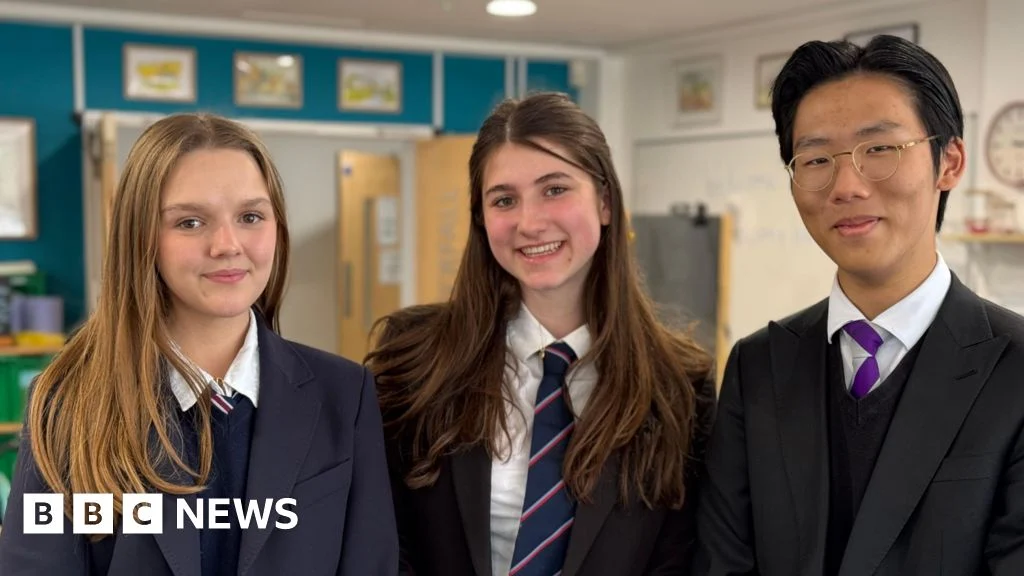
"These art sessions transcend mere creative activity; they are a profound unifying experience that offers an invaluable injection of joy and connection for individuals navigating life-limiting conditions, demonstrating the transformative power of intergenerational engagement in holistic care."
In a heartwarming initiative that exemplifies the profound impact of community collaboration, students from Sevenoaks School in Kent have partnered with the Hospice in the Weald in Pembury to facilitate deeply enriching art sessions. This unique intergenerational program brings together young people from years 11 to 13 with individuals living with life-limiting conditions, fostering an environment where creativity, connection, and mutual understanding flourish. Far from being a simple pastime, these workshops, focusing on ceramics and creative clay items, provide a vital avenue for expression, therapeutic engagement, and social bonding, significantly enhancing the quality of life for participants and offering invaluable learning experiences for the students involved.
The partnership between Sevenoaks School and the Hospice in the Weald is a testament to the power of community-driven initiatives in addressing complex care needs. Hospice in the Weald, a leading palliative care provider in Kent and East Sussex, is renowned for its holistic approach, which extends beyond medical treatment to encompass emotional, social, and spiritual well-being. The "Living Well" program, under which these art sessions operate, is central to this philosophy, aiming to support individuals to live as fully and meaningfully as possible, regardless of their diagnosis. By integrating creative arts, the hospice provides a non-clinical space where patients can find respite, express themselves, and build connections, often rediscovering aspects of their identity that might have been overshadowed by illness.
For the students from Sevenoaks School, a prestigious independent school known for its commitment to academic excellence and a strong emphasis on community service, this collaboration offers a unique opportunity for personal growth and civic engagement. Participating in these art sessions allows them to step outside their conventional academic environment and engage directly with individuals facing significant life challenges. This exposure cultivates empathy, compassion, and a deeper understanding of the human experience, skills that are invaluable for their development as responsible global citizens. The school’s ethos encourages students to contribute positively to society, and this program provides a tangible and deeply personal way to embody that value.
The therapeutic benefits of art, particularly for individuals with life-limiting conditions, are well-documented. Engaging in creative activities like ceramics and clay work can provide a powerful outlet for emotional expression, helping participants to process feelings of grief, fear, or frustration that may accompany their illness. The tactile nature of clay, for instance, offers sensory stimulation, can improve fine motor skills, and provides a focused activity that can distract from pain or anxiety. Beyond the psychological and physical advantages, these sessions foster a sense of accomplishment and self-worth. Creating something tangible, regardless of perceived artistic skill, can be incredibly empowering, reinforcing a sense of agency and purpose that illness often diminishes.
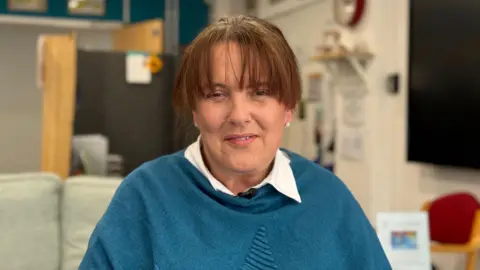
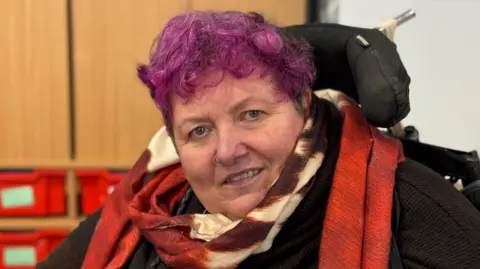
Nicola King, who was diagnosed with multiple sclerosis at the age of 31, eloquently articulated the profound significance of these sessions, stating they meant "everything" to her. "I love coming to this session," she shared. "It’s creative, I don’t have the use of both of my arms so being creative is very difficult for me." Her words underscore the crucial role of adaptation and support within the program. The students, working alongside hospice staff, provide hands-on assistance, enabling participants like Nicola to overcome physical limitations and bring their creative visions to life. This collaborative spirit ensures that the focus remains on participation and expression, rather than perfection, making the experience accessible and rewarding for everyone.
Similarly, Sarah Reeve, another participant with limited mobility in her hands, highlighted how the sessions provided an "injection of creativity." She explained, "You can explain what you want to do and then it’s as much your creation as anything." This emphasis on shared creation is fundamental to the program’s success. It acknowledges and respects the individual’s ideas and desires, transforming potential barriers into opportunities for collaborative artistry. The students act as facilitators and partners, helping to translate concepts into ceramic form, thereby ensuring that the final product truly reflects the participant’s original intent. This process not only yields a unique piece of art but also strengthens the bond between student and participant, built on trust and shared endeavor.
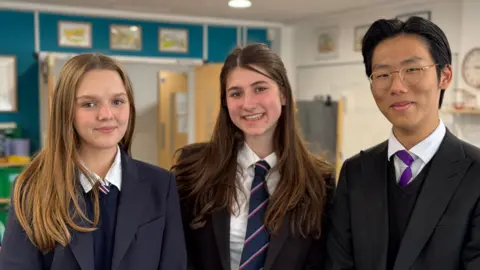
The impact of these sessions extends equally to the students. Andrew, an 18-year-old participant from Sevenoaks School, reflected on a deeper appreciation for the creative journey. "Usually when we look at art I think we only look at the final product but in a way I think we often ignore this experience of making things together," he noted. This insight speaks to a shift in perspective that many students experience. They learn that the value of art lies not solely in the finished piece, but in the process of its creation – the shared laughter, the quiet concentration, the challenges overcome, and the connections forged. It is a powerful lesson in valuing process over product, a principle that has broad applications beyond the art studio.
Sofiia, a Year 11 pupil, articulated the unifying nature of the experience with heartfelt clarity. "Some of these people we’ve met throughout this journey, and they’re only here for a certain period of time, but we get so close to them throughout art and I feel like art is the kind of thing that really, really brings us together." Her observation highlights the profound emotional bonds that develop within these sessions. For individuals in hospice care, whose social circles may have narrowed due to illness, these interactions offer renewed social engagement and a sense of belonging. For the students, it provides a unique opportunity to connect with people from different walks of life, gaining invaluable insights into resilience, courage, and the preciousness of human connection. The transient nature of some relationships, as Sofiia subtly acknowledges, also instills a deeper appreciation for the present moment and the quality of shared time.
These art sessions are an integral component of the free "Living Well" activities offered at the Pembury hospice. This year marks a significant milestone, as the program celebrates its 10th anniversary. To commemorate a decade of fostering well-being and creative expression, the hospice plans to auction a piece of art collectively created by the participants. This initiative not only celebrates the program’s success but also serves as a powerful testament to the creativity and spirit of those who engage with it, simultaneously raising vital funds to ensure the continuation of such invaluable services.
Steph Hall, the head of Living Well at Hospice in the Weald, emphasized the inclusive philosophy underpinning their services. "You don’t have to be at the very end of your life to access our services," she clarified. This statement is crucial for dispelling common misconceptions about hospice care, highlighting its proactive role in supporting individuals from the point of diagnosis with a life-limiting condition. Hall elaborated on the patient-centric approach: "The thing we ask everyone that comes here is what is most important to you, what matters most to you? And it’s through doing these things through different mediums like art and creative arts that they can actually find some joy." This encapsulates the essence of palliative care – focusing on individual preferences, quality of life, and finding moments of joy and purpose amidst challenging circumstances.
The collaboration between Sevenoaks School and the Hospice in the Weald serves as an inspiring model for community engagement and integrated care. It demonstrates how educational institutions can actively contribute to local well-being, providing students with meaningful service opportunities while enriching the lives of vulnerable members of society. By embracing creative arts as a therapeutic tool, the hospice reinforces its commitment to holistic care, acknowledging that human dignity, joy, and connection are paramount at every stage of life. This program is more than just art classes; it is a vibrant tapestry of shared humanity, woven with threads of empathy, creativity, and mutual support, leaving an indelible mark on everyone involved.
