
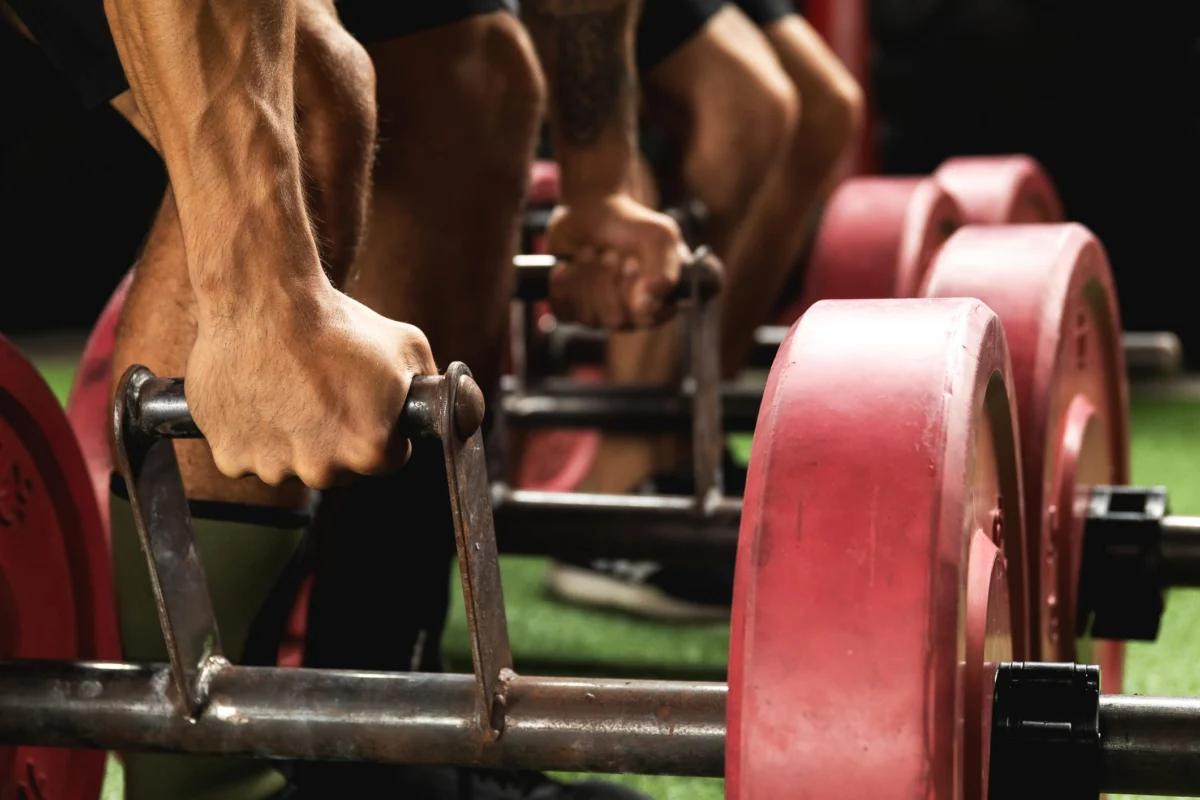
"A powerful grip is more than just a gym asset; it is a critical biomarker of cardiovascular health and a fundamental pillar of total-body functional strength."

While often relegated to the status of a niche interest within the world of competitive "gripping" or strongman training, grip strength is increasingly recognized by the medical and athletic communities as a primary indicator of biological age and physical capability. The hands and forearms serve as the primary interface between the human body and the physical world, meaning that a deficiency in this area creates a "bottleneck" that limits overall strength, increases injury risk, and may even signal underlying systemic health issues. By understanding the mechanics of the hand and implementing specific training protocols, individuals can unlock higher levels of performance while fortifying their long-term health.
The Niche Sport and the Gold Standard
In the specialized world of competitive gripping, athletes perform feats of manual strength that seem impossible to the uninitiated. One of the most legendary benchmarks is the double-plate pinch hold using two vintage York Barbell 45-pound plates. This feat requires the lifter to place two two-inch-thick iron plates together with the smooth sides facing outward. The athlete must then pinch them between the thumb and fingers—no palms allowed—lift them to waist height, and hold them for time.
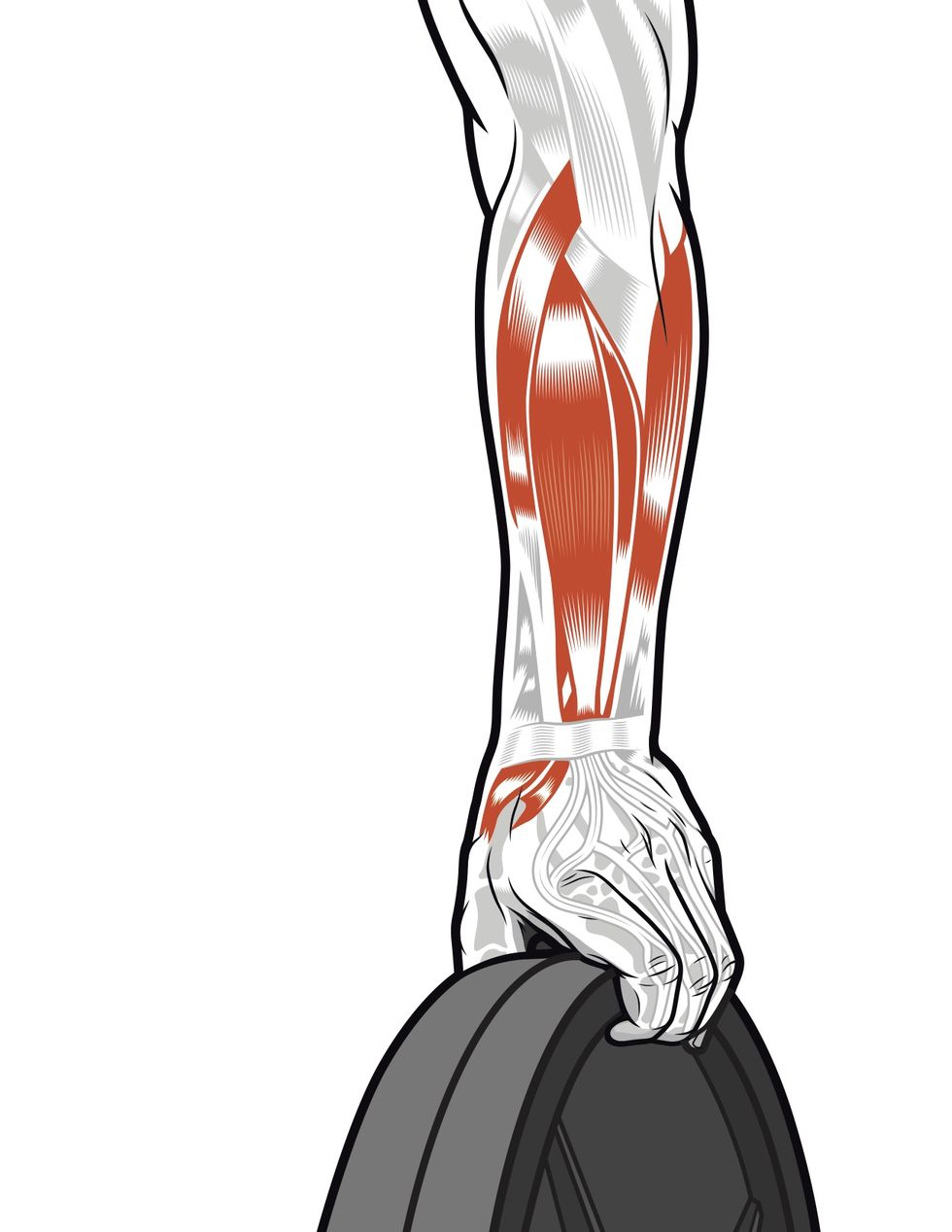
To the average gym-goer, this sounds straightforward until they attempt it. The smooth, cold surface of the iron offers no friction, and the width of the plates forces the thumb into a disadvantageous position. However, this "niche" skill has broader implications. While most should start with five-pound plates rather than forty-fives, the pursuit of a stronger pinch is a pursuit of a more resilient body.
The Health Connection: Grip as a Vital Sign
Recent longitudinal research has elevated grip strength from a gym metric to a clinical vital sign. A large-scale study involving over 140,000 adults across 17 countries suggested a significant correlation between a weakening grip and an increased risk of cardiovascular disease, stroke, and early death. In fact, grip strength was found to be a more accurate predictor of death from heart disease than systolic blood pressure.
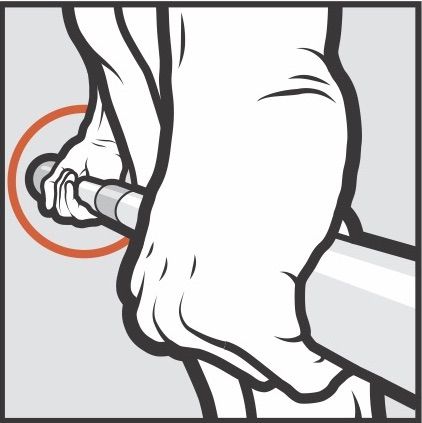
The reason for this link is multifaceted. Grip strength serves as a reliable proxy for overall muscle mass and nutritional status. It is also an indicator of the health of the central nervous system, as the ability to generate force in the hands requires high-level neural recruitment. Furthermore, a weak grip is an invitation for injury. When the hands cannot securely hold a load, the body often compensates by shifting the stress to the elbows, shoulders, or lower back, leading to chronic tendonitis or acute strains.
The Performance Ceiling: Why Your Hands Limit Your Lifts
In the weight room, your strength is only as good as your ability to transmit it to the bar. Jedd Johnson, a five-time North American Grip Sport champion, notes that the hands are frequently the limiting factor in compound movements. If your legs can deadlift 400 pounds but your hands can only hold 300, your deadlift is effectively 300 pounds.
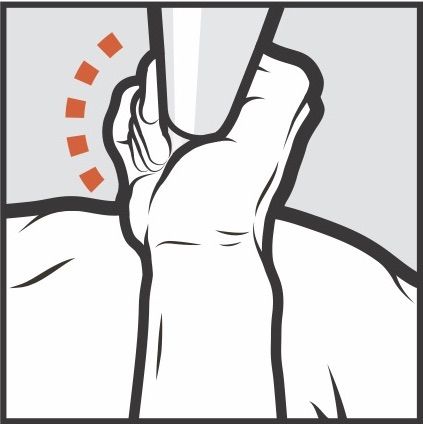
Beyond merely holding the weight, a firm grip triggers a phenomenon known as "neural irradiation." When you squeeze an object with maximal force, the tension travels up the kinetic chain, signaling the rotator cuff, the lats, and the core to contract more forcefully. This full-body tension creates a more stable platform for lifting, allowing for immediate gains in power and personal records (PRs).
Four Strategies to Develop a Viselike Grip
To build a grip that is both functional and formidable, you do not need to dedicate hours to specialized equipment. Instead, these four methods can be integrated into a standard training routine:
1. The Principle of Maximal Compression
Pavel Tsatsouline, CEO of StrongFirst, advocates for "crushing the bar to a pulp" during every lift. Whether you are performing a bicep curl or a bench press, squeezing the bar as tightly as possible engages the forearm muscles and improves joint stability. For single-arm movements, such as dumbbell rows, you can amplify this effect by squeezing your non-working hand into a tight fist, utilizing the irradiation principle to maintain total-body tension.
2. Increasing Handle Diameter
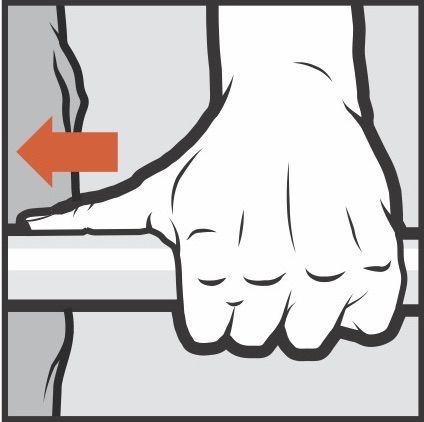
Standard barbells and dumbbells are designed for ease of use, which often leaves the forearm muscles under-stimulated. By using extra-thick handles or "fat bars"—which are roughly twice the thickness of a standard bar—you force the hand into an open-palm position. This makes the weight significantly harder to hold, requiring more motor unit recruitment. If your gym lacks specialized thick bars, wrapping a towel around a standard handle provides a similar challenge, forcing the fingers to work harder to maintain a secure hold.
3. Isometric Hangs for Endurance
Endurance is just as vital as raw crushing power. Strength coach Dan John recommends a simple but brutal weekly challenge: perform a single pull-up, then remain in a dead hang for 30 seconds. Repeat this cycle without letting go of the bar until your grip fails or you can no longer complete the pull-up. Reaching ten repetitions translates to over five minutes of time-under-tension, a benchmark of elite-level grip endurance.
4. Diversifying the Demand
The human hand is a complex instrument controlled by more than 30 muscles in the forearm and hand, all coordinated by the brain’s motor cortex. To stimulate all these tissues, you must move beyond the round steel bar. Incorporating towels, thick ropes, or even PVC pipes into your pulling movements creates different demands on the digits. Towel pull-ups, for example, emphasize vertical grip strength, while PVC pipe carries challenge the ability to stabilize a smooth, shifting surface.
The Anatomy of the Hold
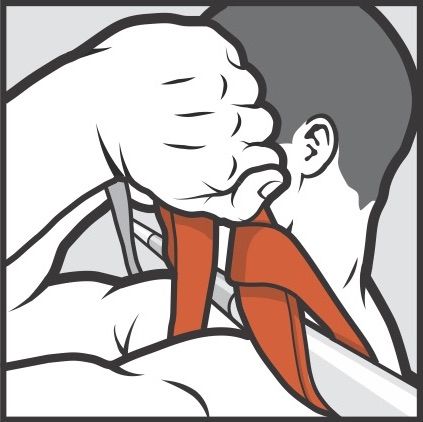
Understanding the musculature of the forearm is essential for balanced development. The forearm is divided into several key compartments:
- Forearm Extensors: Located on the back of the forearm, these muscles open the fingers and extend the wrist. They are often neglected, leading to imbalances that cause "tennis elbow."
- Forearm Flexors: These muscles, located on the underside of the arm, are responsible for the "crush" and "support" grip used in most sports.
- Thenar Muscles: These are the fleshy muscles at the base of the thumb. They are responsible for the "pinch" grip, which is essential for handling flat objects and is often the weakest link in a person’s hand strength.
Optimizing Grip for Specific Exercises
Different lifts require different gripping strategies to maximize safety and force production:
- The Deadlift: For lighter sets, a double-overhand grip is preferred to build grip strength. For maximal loads, a "mixed grip" (one palm up, one palm down) prevents the bar from rolling out of the hands. It is crucial to switch which hand is supinated each set to prevent muscle imbalances in the back and shoulders.
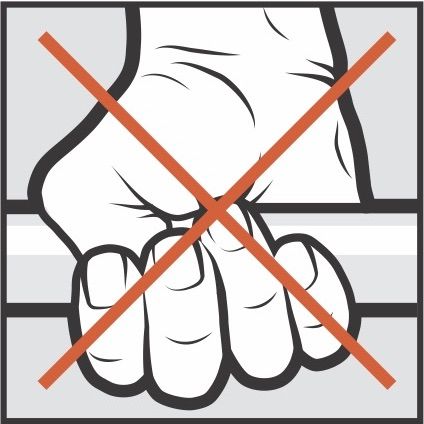
- The Bench Press: Avoid the "monkey grip" or "suicide grip," where the thumb is not wrapped around the bar. While some lifters find this comfortable for the shoulders, it significantly increases the risk of the bar slipping. Always wrap the thumb and keep the forearms perpendicular to the floor.
- Olympic Lifts: While elite lifters use the "hook grip" (tucking the thumb under the fingers), this can be painful and unnecessary for the average trainee. A standard double-overhand grip, squeezed tightly, is usually sufficient for snatches and cleans.
- The Front Squat: Many lifters lack the wrist mobility for a clean-style grip. Using wrist straps attached to the bar as "handles" allows you to maintain the proper upright torso position without straining the wrists or elbows.
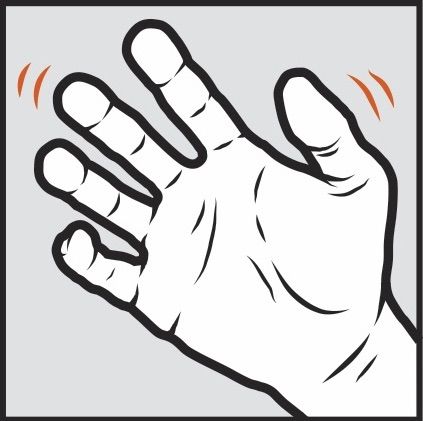
- Running: Interestingly, the goal during running is the opposite of lifting. Ultramarathoner Adam Chase suggests keeping the hands loose and relaxed, as if holding an egg. Clenching the fists during a run wastes energy and creates unnecessary tension in the upper body.
Specialized Drills for Rapid Growth
To accelerate your grip development, incorporate these three targeted exercises:
- Kettlebell Crush: Hold a kettlebell by the bell (not the handle) at chest height and squeeze it with both palms as if trying to flatten it. This builds chest and forearm tension simultaneously.
- Towel Grip Pullups: Drape two towels over a pull-up bar and perform your repetitions while holding only the fabric. This is one of the most effective ways to build "functional" hand strength.
- Bottoms-Up Press: Hold a kettlebell upside down so the heavy bell is balanced above the handle. Pressing it overhead requires immense stability and a crushing grip to keep the weight from flipping over, providing an instant feedback loop on your neural drive.
By treating the hands as a priority rather than an afterthought, you can protect your cardiovascular health, prevent chronic injury, and finally shatter the plateaus that have been holding back your progress in the gym.
