
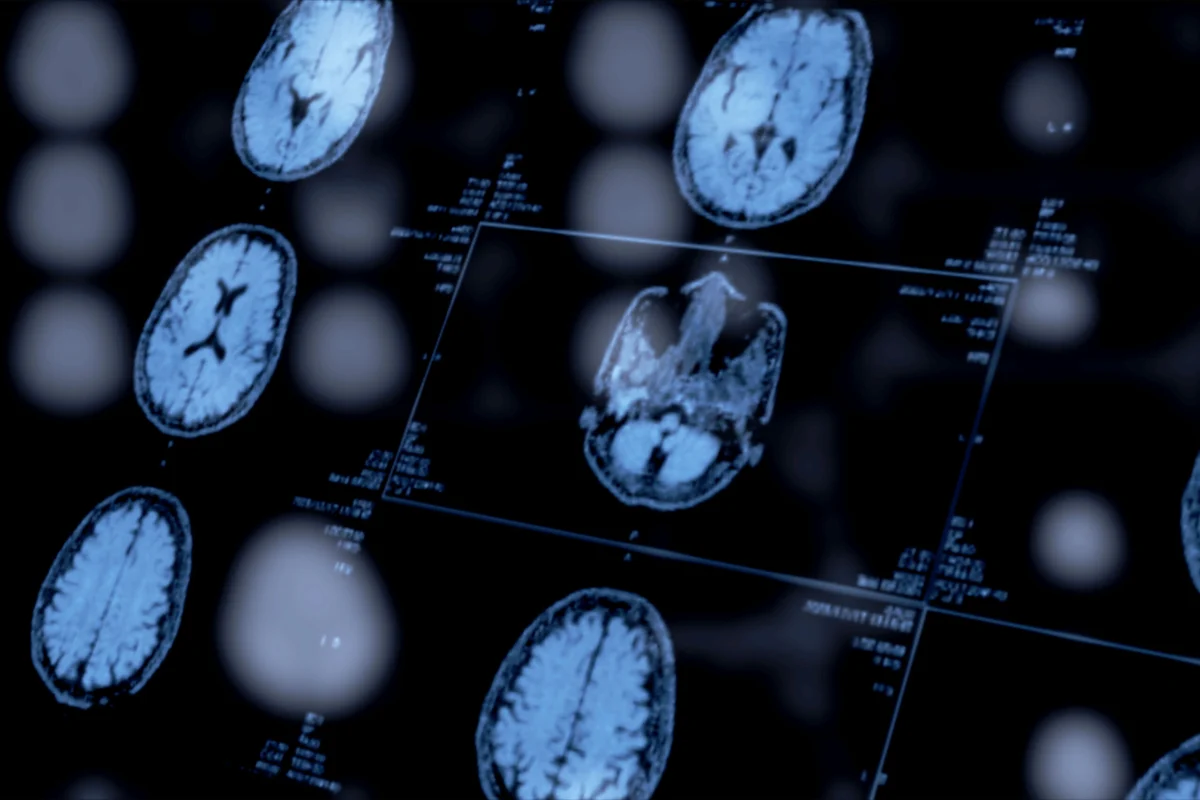
"The era of diagnosing and treating mental illness solely based on outward symptoms may be drawing to a close, as the integration of biological markers promises a future of more precise, personalized, and effective psychiatric care."
For decades, the diagnosis and treatment of mental health conditions have relied on subjective assessments of patient-reported symptoms and observable behaviors. This approach, while foundational, has often led to a trial-and-error process for finding effective treatments, with significant implications for patient outcomes and healthcare costs. However, a significant shift is underway with the growing exploration and potential integration of biological markers – objective, measurable indicators of disease – into the field of psychiatry. This evolution, championed by leading professional organizations and supported by emerging research, signals a transformative period for mental healthcare, offering the potential for earlier detection, more accurate diagnoses, and tailored therapeutic interventions.
The personal journey of Amanda Miller, a neuroscientist, vividly illustrates the limitations of the current diagnostic paradigm and the potential benefits of a biomarker-informed approach. At 30 and pregnant with her second child in Hershey, Pennsylvania, Miller experienced the onset of depression, which significantly worsened after childbirth, accompanied by a constellation of unexplained physical ailments. Despite consulting multiple psychiatrists and undergoing treatment with a range of antidepressants and antipsychotics over two years, her condition remained unresponsive. The turning point came when her primary care physician identified elevated autoimmune markers in her blood. Subsequent comprehensive testing by a specialist revealed a diagnosis of lupus, an autoimmune disease. A prescription for an inflammation-lowering steroid brought rapid relief, with some symptoms subsiding within hours and her depression receding shortly thereafter. Miller’s experience, while anecdotal, powerfully highlights the potential for underlying biological factors, such as inflammation, to significantly impact mental well-being, a connection that was not initially explored by her psychiatric providers.
This disconnect between physical and mental health diagnosis is a systemic issue. In most medical specialties, diagnostic confirmation and treatment pathways are guided by objective tests, including blood work, imaging scans, and biopsies. Mental illnesses, conversely, have historically been categorized and managed based on observable symptoms. This traditional approach is now facing a significant challenge as the psychiatric community begins to seriously consider the incorporation of biological markers into diagnostic frameworks. The American Psychiatric Association (APA), in a seminal January paper, has outlined potential pathways for integrating biomarkers – objective biological indicators of mental illness detectable through diagnostic tests – into future iterations of its Diagnostic and Statistical Manual of Mental Disorders (DSM). The DSM, often referred to as "psychiatry’s bible," serves as the authoritative guide for mental health diagnoses, influencing clinical practice, research, and insurance coverage decisions.
The prospect of incorporating biomarkers into the DSM represents a profound shift, as acknowledged by Jonathan Alpert, a co-author of the APA’s paper and vice chair of its Future DSM Strategic Committee. He emphasized that while psychiatric biomarkers are not yet ready for widespread clinical adoption, their integration could streamline diagnostic processes and insurance coverage decisions. Access to objective biological data, alongside symptomatic presentations, could enable clinicians to make faster and more accurate diagnoses, leading to quicker initiation of the most effective treatments. Alpert envisions a future where a patient’s biological profile could guide physicians toward therapies with a higher probability of success, thereby minimizing the current "crapshoot" nature of psychopharmacological prescribing, as described by Matthew Eisenberg, director of the Center for Mental Health and Addiction Policy at the Johns Hopkins University Bloomberg School of Public Health.
The current standard for antidepressant treatment, exemplified by large-scale trials like the National Institute of Mental Health-funded study from the early 2000s, has demonstrated that only a portion of patients achieve symptom remission with their first antidepressant. While this seminal trial provided valuable insights, subsequent research suggests that the effectiveness rates may be even lower, underscoring the significant proportion of individuals who undergo ineffective and potentially unnecessary medication regimens. This trial-and-error approach has drawn criticism, notably from proponents of movements advocating for alternative mental health treatments.
The potential for biomarkers to revolutionize mental healthcare is further underscored by their established role in other medical fields, particularly oncology, where they are crucial for guiding personalized treatment strategies. States like Arizona, Georgia, Kentucky, and Texas, along with numerous others, have mandated insurance coverage for biomarker testing. Similarly, blood and imaging tests are now integral to the diagnosis of conditions like Alzheimer’s disease. The APA’s paper has identified various potential applications for psychiatric biomarkers, including tests assessing brain activity, genetic predispositions, and immune markers associated with specific conditions such as schizophrenia and substance use disorders.
One promising area of research involves inflammatory markers, such as C-reactive protein (CRP). Studies have indicated that a significant portion of individuals with depression exhibit elevated CRP levels. Research suggests that these patients may respond more favorably to treatments that modulate dopamine pathways, in contrast to those solely reliant on selective serotonin reuptake inhibitors (SSRIs), a common class of antidepressants. While CRP requires further robust validation as a biomarker, it represents a key example of how biological indicators could differentiate patient subgroups and inform treatment selection.
The successful integration of biomarkers into psychiatric practice hinges on a "coordinated, well-funded" research effort, as stressed by the APA. However, this endeavor faces significant challenges, particularly in the current funding landscape. A research letter published in the journal JAMA highlighted the substantial impact of funding cuts, noting the cancellation of at least 128 grants, totaling nearly $173 million, by the National Institute of Mental Health during a specific period. Although some grants have since been reinstated, researchers dependent on federal funding remain apprehensive about the vulnerability of their work to future budgetary reductions. Alpert emphasized the critical need for sustained research funding in mental health, acknowledging the inherent uncertainties of the funding environment.
The potential ripple effects of biomarker integration extend to healthcare costs and insurance coverage. Patients with poorly managed mental illnesses often incur higher healthcare expenses due to hospitalizations, outpatient visits, and prescription costs. Biomarker testing, by facilitating faster access to effective treatments, holds the promise of reducing these long-term costs. Modeling studies, such as one conducted on the Canadian health system, have estimated significant cost savings over time if genetic biomarker testing were implemented for individuals with major depression. Similarly, a Spanish study found that biomarker testing reduced costs for a majority of participants with serious mental illness.
However, the immediate financial implications in the U.S. healthcare system are less clear. Eisenberg posits that an initial implementation of biomarker-informed care could lead to increased healthcare spending due to the cost of testing. Insurers may also be hesitant to cover expensive biomarker tests, given the time it takes for new scientific advancements to be proven safe and effective and subsequently adopted into coverage policies.
Beyond cost considerations, ethical concerns surrounding patient privacy and potential discrimination arise. Researchers have voiced apprehension that insurers or employers might exploit biological profiles that indicate a predisposition to serious neuropsychiatric conditions, leading to discriminatory practices. Gabriel Lázaro-Muñoz, a member of Harvard Medical School’s Center for Bioethics, underscores the critical need for legislative measures to safeguard patients and provide clinicians with comprehensive training on the appropriate use of these emerging diagnostic tools. He suggests that the field of psychiatry may not yet be fully equipped to manage these complexities.
Andrew Miller, a professor of psychiatry and behavioral sciences at Emory University School of Medicine who studies inflammation-related depression, acknowledges that the mental health system might not be entirely prepared to "jump in with both feet." Nevertheless, he views the APA’s engagement with biomarkers as the "beginning of a revolution," signifying a recognition that current practices are insufficient and that the field can achieve superior outcomes. This embrace of objective biological data marks a pivotal moment, signaling a commitment to advancing mental healthcare towards a more precise, evidence-based, and patient-centered future.
