
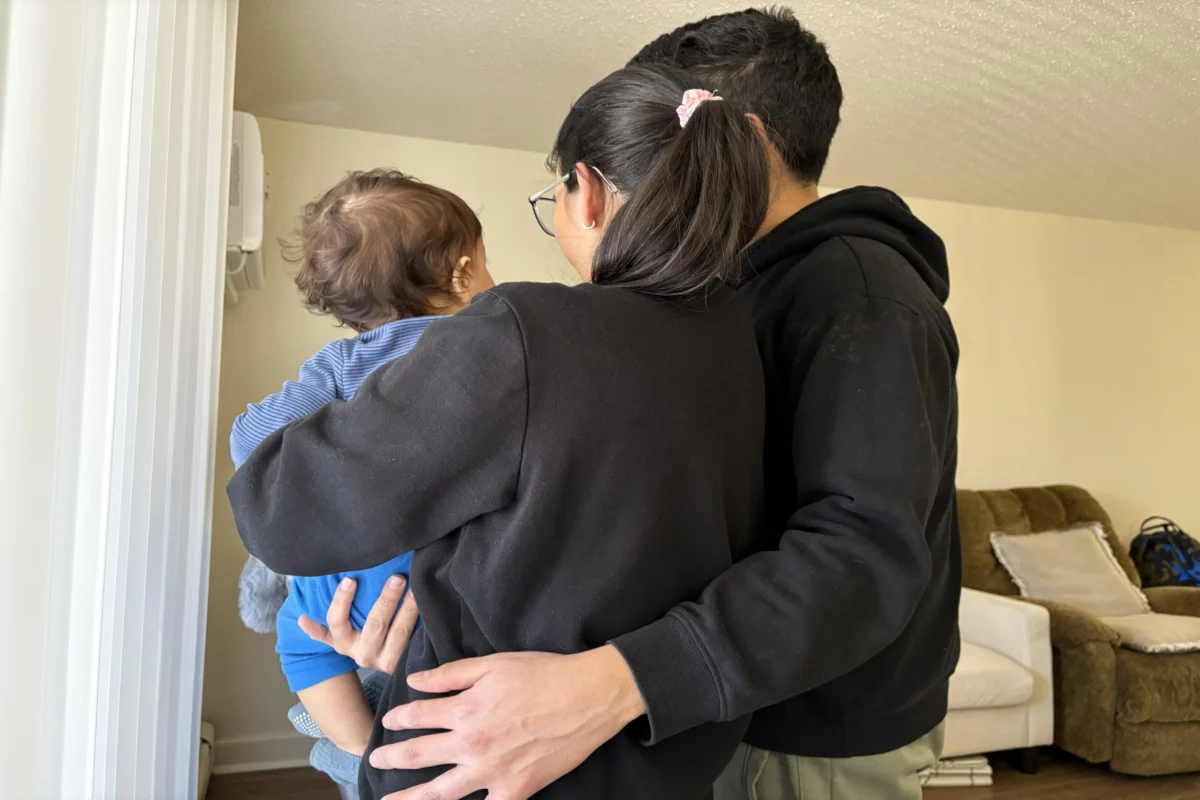
"The fear of leaving is greater than the fear of dying at home," states a Minnesota nurse, illustrating the profound and dangerous impact of intensified immigration enforcement on vulnerable communities’ ability to seek and receive critical medical care.
The intensified climate of immigration enforcement, exemplified by operations in Minnesota, is creating a pervasive atmosphere of fear that is directly hindering access to essential healthcare services for immigrant populations. This fear is so potent that it is leading individuals to forgo necessary medical appointments, procedures, and even basic care, with potentially life-threatening consequences. Beyond the immediate arrests and deportations, the lingering presence of immigration agents and the threat of separation are creating a psychological toll that exacerbates existing health vulnerabilities and forces healthcare providers to adapt their practices in unprecedented ways.
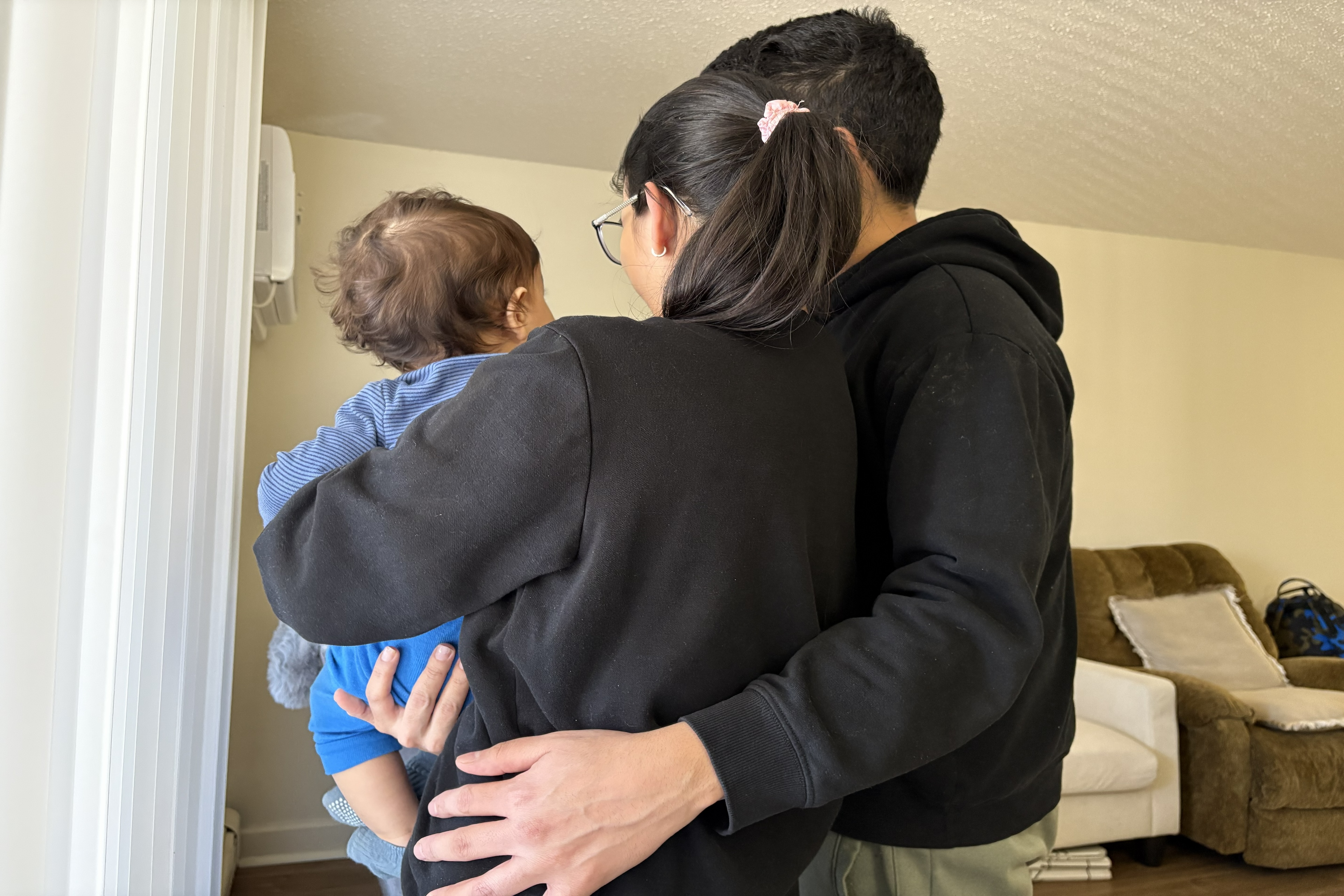
In Minneapolis, the story of Gabi, a two-year-old girl with brittle bone disease, encapsulates the devastating ripple effects of these federal actions on families. Gabi’s condition, which causes her bones to fracture easily, inflicts significant pain. Her mother, deeply fearful of encountering immigration agents, was so paralyzed by anxiety that she canceled Gabi’s scheduled surgery, a procedure crucial for her ability to one day stand or walk. This decision, born out of a primal fear for her own safety and the potential for separation, directly jeopardizes her daughter’s long-term health and mobility. The mother’s poignant words, "I want more than anything, my wish, is for my baby to start walking… But with the situation that is happening, I canceled the surgery appointment because they are going to do surgery on her legs and all the physical therapy appointments; I canceled everything. Because I’m afraid to go out," underscore the stark reality faced by many immigrant families.
The federal government, through initiatives like the Department of Homeland Security’s (DHS) "Operation Metro Surge," has demonstrated a significant expansion of its surveillance and detention capabilities. While the DHS has declared the conclusion of specific operations, healthcare workers report the continued presence of immigration agents in hospital parking lots and the use of drones in rural areas where immigrant communities have settled. This pervasive enforcement strategy, as observed in Minnesota, has had a profound impact on the healthcare system, mirroring crises that have emerged in other regions where immigration enforcement has been concentrated.
Across the United States, similar patterns have emerged. In Dallas, public health clinics reported a halving of vaccinations administered to Latino communities in August compared to the previous year. In Chicago, physicians have found themselves redirecting patients to different clinics based on the observed activity of Immigration and Customs Enforcement (ICE). Nationally, immigration raids have demonstrably reduced immigrant visits to healthcare services. Minnesota’s healthcare systems, for instance, have reported cancellation and no-show rates as high as 60% since December. While a DHS spokesperson attributed these disruptions to protesters, the ground-level experiences of healthcare providers paint a different picture, one of fear-driven avoidance of medical facilities.
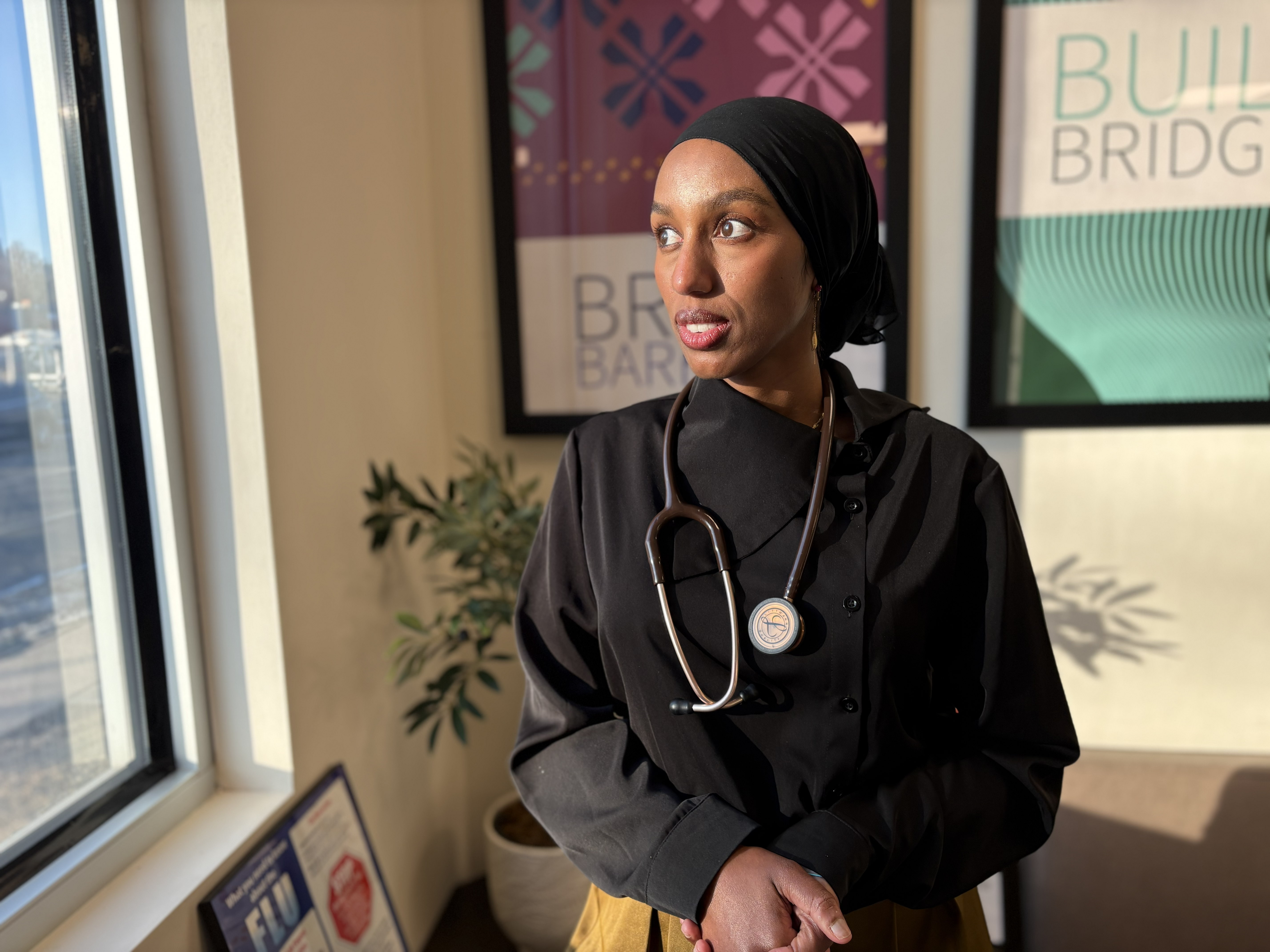
In response to this crisis, healthcare professionals in Minnesota have quietly established informal medical networks to provide care in patients’ homes, circumventing the fear of detection. Emily Carroll, a nurse practitioner with HealthFinders Collaborative, a community clinic in Faribault, lamented the loss of certainty in assuring patients of their safety within hospital walls. "Before, I would look someone in the eye and say, in good faith: ‘You’ll be okay at the hospital.’ But now I can’t guarantee that." This sentiment highlights a fundamental erosion of trust and safety within the healthcare system for immigrant populations.
The implications of this fear extend far beyond missed appointments. State Senator Alice Mann, a physician from Minnesota, emphasized the urgent need for healthcare providers to prepare for a future where clandestine networks might be the only way to deliver care. She stated, "I know it sounds strange, but health providers ‘need to start an underground network to bring medical attention to homes. Because letting people die in their homes or be on the brink of death for fear of going to the hospital, in 2026, is unacceptable.’" This call to action underscores the severity of the situation, suggesting a need for adaptive and potentially covert healthcare delivery models.
The strategy of in-home visits, while born out of necessity, is gaining traction as a viable solution. In Los Angeles, St. John’s Community Health has provided medical care to approximately 2,000 immigrant families who were too fearful to leave their homes during an immigration operation. Jim Mangia, president of the organization, reported that missed appointments exceeded 30%, necessitating this outreach. Many larger health institutions in Minnesota have leaned towards telemedicine, but community clinics like Inspire Change Clinic in Minneapolis have found in-home care to be more effective in reaching those most affected. Munira Maalimisaq, a co-founder of Inspire Change Clinic, initiated a "rapid response" team of about 150 volunteer doctors and nurses who have conducted over 135 home visits. These visits have ranged from delivering a baby at home for a woman whose husband had been deported to providing care for a child experiencing seizures while their mother rationed medication due to fear.
The DHS maintains that its operations, such as "Operation Metro Surge," have enhanced public safety by arresting individuals with criminal records. Tricia McLaughlin, a DHS spokesperson, stated, "Since Operation Metro Surge began, our brave DHS agents have arrested over 4,000 undocumented aliens with criminal histories, including murderers, rapists, child molesters, and extremely dangerous individuals." However, data from the DHS itself indicates that only 29% of ICE arrests nationwide in January involved individuals with criminal convictions, and a smaller fraction had been convicted of violent crimes. This suggests that the broad sweep of enforcement actions may be disproportionately impacting individuals without serious criminal histories.
A significant factor contributing to the pervasive fear is the rescission of a 2011 policy that prohibited immigration enforcement in "sensitive locations" like churches, schools, and hospitals. This policy change has allowed for a more aggressive presence of immigration agents in communities. In Northfield, Minnesota, ICE agents have been observed regularly outside health clinics, including one operated by the local hospital, leading to arrests in the area on an almost daily basis. While McLaughlin asserts that ICE does not conduct operations in hospitals, the visible presence of agents in or near these facilities creates a chilling effect. Similarly, the use of drones over mobile home parks where immigrant families reside further exacerbates feelings of being under constant surveillance.
This climate of fear has tangible health consequences. Calla Brown, a pediatrician in Minneapolis, noted that patients with chronic conditions like diabetes and heart disease are missing essential check-ups, leading to worsening health outcomes. Clinics like the one in Faribault are resorting to delivering medications, food, and other necessities to patients and even transporting students to school to minimize their need to venture out. When home visits are necessary, healthcare providers face agonizing decisions, as exemplified by a pediatrician who, after diagnosing an infant with influenza, had to instruct parents to go to the hospital if the baby’s breathing became difficult, while acknowledging, "I can’t promise it’s safe. But you have to go."
Amidst this challenging environment, a spirit of community resilience and mutual aid is emerging. Fernanda Honebrink, a nurse-midwife and US citizen who immigrated from Ecuador, prefers to describe the efforts not as a clandestine medical network but as the way people in Minnesota "are kind to each other." She has become a crucial coordinator for families afraid to leave their homes. One Venezuelan couple, who entered the US under a now-defunct Humanitarian Parole program, has not left their apartment in over a month, fearing apprehension after witnessing colleagues with valid work documents being detained and deported. The father described the situation as "psychological warfare," a constant fear of separation from his family.
The mother, suffering from postpartum depression and isolated in their apartment, faces the additional anxiety of losing her US-citizen child if she were to be deported. The need to sign a temporary custody form for her child was a deeply traumatic experience. Honebrink stepped in, signing the form herself to reassure the family, demonstrating a profound act of solidarity. Through her efforts, she has managed to secure medical appointments and verified transportation for families, celebrating small victories like a baby receiving vaccinations.
However, the scale of the need remains immense. Honebrink recently visited Gabi, whose surgery has been rescheduled for August, a significant delay that underscores the ongoing impact of fear on medical care. Gabi’s mother’s wish for safety to finally leave her home highlights the profound disruption to normalcy and the deep-seated anxiety that immigration enforcement has instilled. The desire for this period of fear and mistreatment to end, as expressed by Gabi’s mother, resonates with the hopes of countless individuals seeking a safe and healthy future.
