
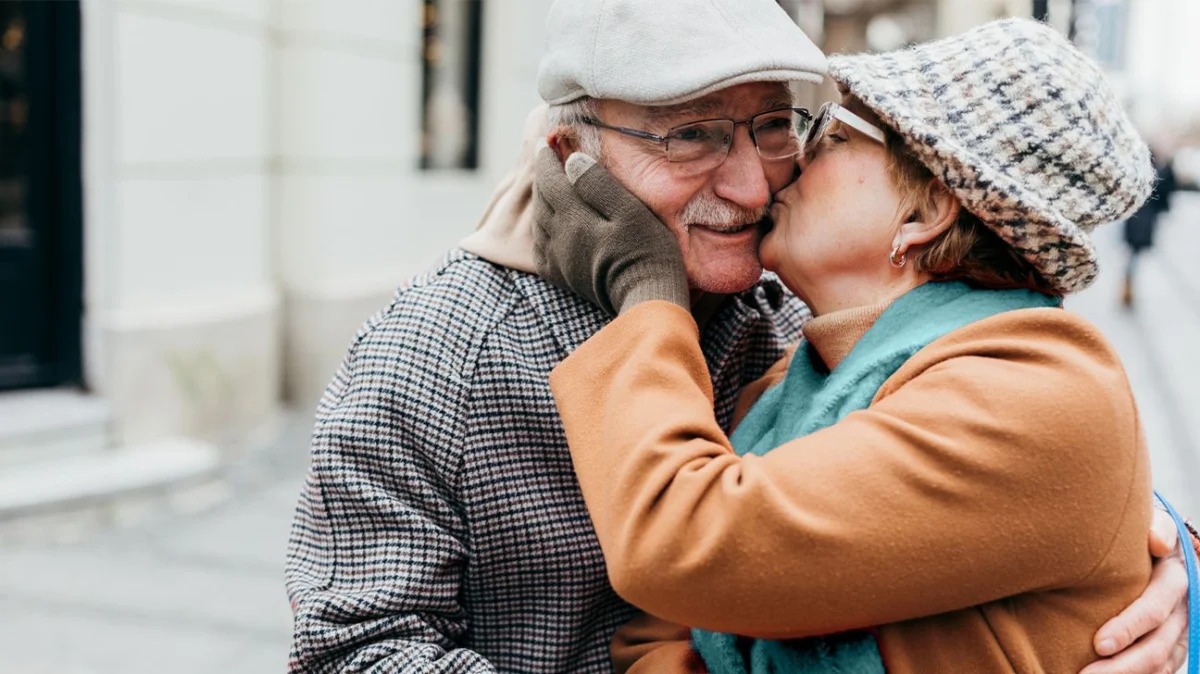
"For many adults aged 60 and older, sexual intimacy is not a relic of youth but a fundamental requirement for a complete romantic relationship and overall well-being."
This insight challenges the pervasive societal myth that aging inevitably leads to a decline in romantic desire or sexual interest. Recent research indicates that older adults often view sexual activity as a "deal breaker" in new relationships, emphasizing that while the physical expressions of intimacy may evolve, the emotional and biological drive for connection remains a cornerstone of the human experience well into the later stages of life.
The Persistence of Desire in Later Life
A common misconception suggests that as the body ages, the pilot light of sexual desire naturally flickers out. This narrative often renders older adults invisible in discussions regarding romance, dating, and sexual health. However, a landmark study recently published in the Journal of Sex Research provides a rigorous counter-narrative, revealing that for adults between the ages of 60 and 80, sexual intimacy is frequently categorized not just as a preference, but as a necessity.
The study interviewed 100 single individuals, evenly split between 50 men and 50 women, with an average age in the mid-60s. The findings were striking: nearly three-quarters of the participants stated explicitly that they would not consider a romantic relationship if it did not include a sexual component. For these individuals, a relationship devoid of physical intimacy was viewed as "incomplete," often falling more into the category of a platonic friendship rather than a romantic partnership.
Redefining the "Deal Breaker"
In the world of modern dating, "deal breakers" are usually lifestyle choices or personality traits. For the seniors involved in this study, the absence of sex was a primary deal breaker. This sentiment was echoed across genders. Participants like 68-year-old Dean and 65-year-old Evelyn articulated a shared philosophy: while friendship is valuable, it is the sexual connection that distinguishes a partner from a peer.
Evelyn’s perspective—asking "what’s the use of having a relationship?" if sex is off the table—highlights a profound psychological truth. For many, sexual activity serves as the "glue" of a romantic bond. It provides a unique form of validation and closeness that cannot be replicated through conversation or shared hobbies alone. Even those who were open to the idea of a sexless relationship usually did so with heavy caveats, suggesting that for the vast majority, the drive for physical connection remains a non-negotiable aspect of their identity.
The Biological Reality vs. The Psychological Drive
It is essential to distinguish between the desire for sex and the biological ease of sex. As Karyne Wilner, PsyD, a licensed psychologist and author, notes, adults do not necessarily become "asexual" as they age; rather, they may become "less sexual" in a traditional, high-vigor sense. The body undergoes inevitable physiological shifts—menopause for women can lead to vaginal dryness and thinning walls, while men may face challenges with erectile function. Furthermore, medications for chronic conditions like hypertension or diabetes can impact libido and performance.
However, the study found that older adults are remarkably resilient and adaptive. They tend to view these biological hurdles not as reasons to cease sexual activity, but as circumstances to be managed. This reflects a shift from a "performance-oriented" view of sex to a "connection-oriented" view. The pursuit of pleasure remains, even if the mechanics require more communication, lubrication, or medical intervention.
Expanding the Definition of Intimacy
One of the most significant takeaways for healthcare providers and the public is the need for a broader definition of what constitutes "sexual activity." Dr. Wilner suggests that for older adults, intimacy might shift toward sensual touch, prolonged kissing, massage, or simply being physically intertwined.
While the intense orgasmic releases of one’s 20s may be less frequent, the intimacy found in the "small of the back" or a "tender massage" provides a different, often more profound, sense of satisfaction. If an activity is pleasurable and shared between partners with romantic intent, it is sexual. This flexibility allows older adults to maintain their sexual identities even as their physical capabilities change, ensuring that the "life force" and "joie de vivre" associated with intimacy remain intact.
The Holistic Benefits of Senior Sexuality
The benefits of maintaining a sexual life after 60 extend far beyond the bedroom. Research consistently shows that older adults who remain sexually active report higher levels of life satisfaction and overall well-being. Arien Muzacz, PhD, a clinical associate professor at Oregon State University, emphasizes that sexual health is a core component of general health.
When older adults engage in intimacy, it can reduce feelings of isolation and depression—issues that disproportionately affect the elderly. It reinforces a sense of self-worth and bodily autonomy. In a society that often treats the aging body as a site of decline and medical failure, reclaiming the body as a site of pleasure is a radical and healthy act of self-affirmation.
The "Grey Revolution" and Public Health
The rise of senior dating apps and the increasing number of single older adults living in communal retirement settings have led to what some call a "Grey Revolution." However, this increase in social and sexual activity brings new public health challenges that are often overlooked.
Because older adults are no longer concerned with pregnancy, they may be less likely to use condoms or practice safe sex. Dr. Muzacz points out that STI (sexually transmitted infection) prevention is essential for this demographic. Physiological changes, such as reduced natural lubrication, can lead to micro-tears during intercourse, increasing the risk of transmission. Furthermore, the stigma surrounding senior sex means that many older adults are hesitant to ask for STI testing, and many doctors are hesitant to offer it.
The study underscores a critical gap in the healthcare system. Healthcare professionals often avoid the topic of sexual wellness with older patients, assuming it is no longer relevant. By normalizing these conversations, doctors can provide better guidance on everything from safe sex practices to the use of water-based lubricants and medical treatments for sexual dysfunction.
Challenging Ageist Stereotypes
The "asexual senior" is a stereotype that serves to marginalize older people, stripping them of their humanity and complexity. By documenting the vivid and persistent desire for intimacy among those in their 60s, 70s, and 80s, this research provides a necessary reality check. It encourages younger generations to view aging not as an end to desire, but as a transition into a different phase of it.
For the participants in the study, sex was about "keeping the flow in the relationship going." It was about the "physical connection" and the "need to feel desired." These are universal human needs that do not have an expiration date.
Conclusion: A Call for Sexual Wellness Integration
The findings from the Journal of Sex Research call for a shift in how we approach aging. Sexual wellness should be integrated into routine geriatric care, just as cardiovascular health or bone density are. Society must move away from the "myth of the sexless senior" and recognize that the pursuit of pleasure and romantic connection is a lifelong journey.
For the millions of older adults navigating the dating world or maintaining long-term partnerships, the message is clear: your desires are valid, your needs are normal, and intimacy remains a vital part of a life well-lived. As the population continues to age, fostering an environment where older adults can safely and openly pursue their sexual health will be paramount to ensuring their dignity and happiness in their later years.
