
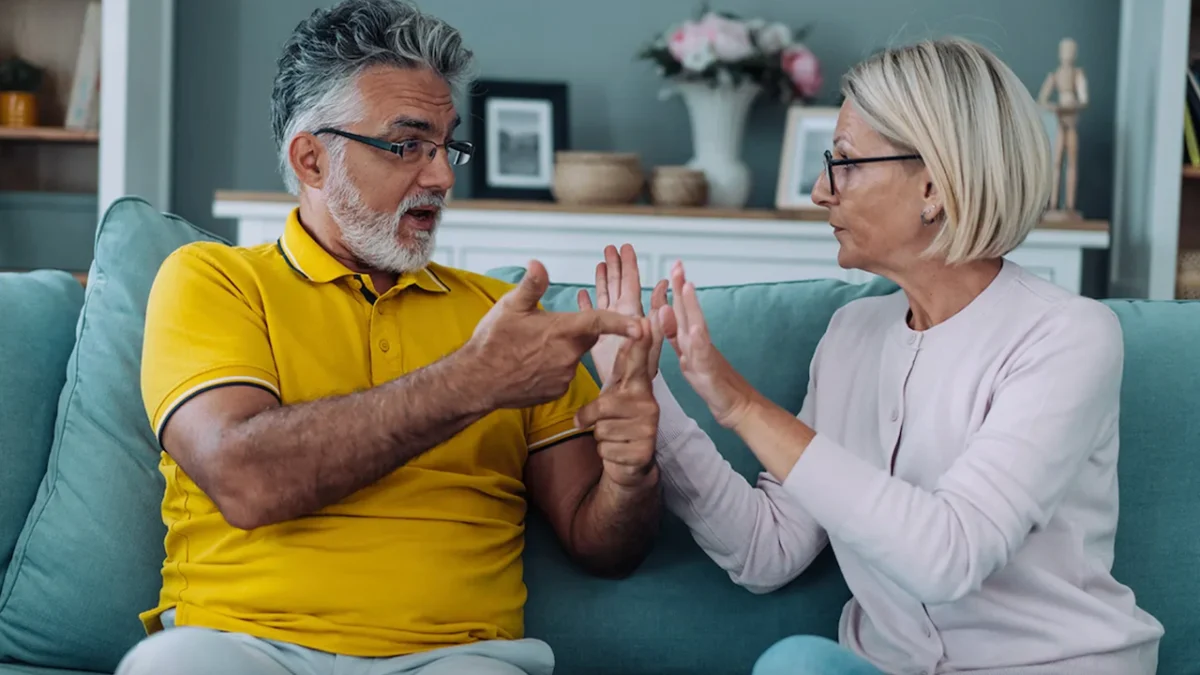
"Each additional difficult person in a social circle is associated with a 1.5% increase in the pace of biological aging, effectively adding an average of nine months to an individual’s cellular age."
While the quest for longevity often focuses on caloric intake, cardiovascular exercise, and sleep hygiene, emerging research suggests that the company we keep may be just as influential on our lifespans as the food we eat. A landmark study published in the journal Proceedings of the National Academy of Sciences (PNAS) reveals that "hasslers"—individuals who consistently cause social friction or emotional distress—act as chronic stressors that physically accelerate the biological aging process. By measuring age-related changes at the molecular level, researchers have provided a sobering look at how negative social environments translate into tangible physiological decay.
The Science of Biological vs. Chronological Age
To understand the impact of difficult relationships, it is necessary to distinguish between chronological age and biological age. Chronological age is a simple measure of time—the number of years a person has been alive. Biological age, however, refers to the physiological state of an individual’s cells and tissues. Two people born on the same day may have vastly different biological ages based on their genetics, lifestyle, and environmental exposures.
The researchers, representing several prominent U.S.-based universities, utilized "biological clocks" to conduct their study. These clocks measure DNA methylation—chemical modifications to the DNA molecule that change over time and serve as a proxy for cellular wear and tear. When biological age exceeds chronological age, it indicates "accelerated aging," a state characterized by a higher risk of age-related diseases, frailty, and early mortality.
The study analyzed data from more than 2,000 participants in Indiana, all aged 18 and older. The findings were stark: nearly 30% of participants identified at least one "hassler" in their immediate social network. For every additional difficult person reported, the pace of aging increased by 1.5%, and the individual’s biological age was approximately nine months older than those with more harmonious social circles.
Defining the "Hassler" and the Profile of the Stressed
The term "hassler" in this context describes people who are perceived as causing frequent problems, social difficulties, or emotional burdens. These are not merely people with whom one has occasional disagreements; they are individuals whose presence creates a persistent sense of strain.
The study identified specific demographics and life experiences that correlated with a higher likelihood of reporting hasslers. Women were more likely than men to report difficult people in their networks, a finding that sociologists often attribute to the higher "relational labor" women typically perform in families and communities. Additionally, daily smokers, individuals in poor physical health, and those who experienced adverse childhood experiences (ACEs) were more likely to be surrounded by negative social ties.
The inclusion of adverse childhood experiences is particularly noteworthy. It suggests a "compounding effect" where early-life trauma may predispose individuals to environments where they encounter more conflict, or perhaps shapes their perception of social ties in a way that increases the perceived "hassle" of relationships. This creates a lifelong trajectory of stress that manifests as accelerated cellular aging by adulthood.
The Differential Impact of Kin, Spouses, and Strangers
One of the most nuanced findings of the study is that not all negative relationships affect the body in the same way. The researchers categorized hasslers into three groups: blood relatives (kin), non-blood relatives (friends or acquaintances), and spouses.
The study found that blood-related hasslers and non-kin hasslers had a significant "detrimental" association with biological aging. Blood relatives, in particular, were described as "stronger chronic stressors" because they are often unavoidable. Social norms and familial obligations make it difficult to "divorce" a sibling, parent, or cousin, meaning the stress they provide is persistent and inescapable.
In contrast, "spouse hasslers" did not show a statistically significant link to accelerated biological aging in this specific sample. The researchers hypothesized that marriage is a uniquely complex bond that often mixes negative exchanges with positive ones. Even in a marriage characterized by frequent arguments, there may be underlying levels of financial support, shared history, and physical intimacy that "buffer" the physiological impact of the stress. Essentially, the positive aspects of a marriage may cancel out the cellular damage caused by the negative ones—a luxury not always afforded in toxic relationships with distant relatives or difficult coworkers.

The Physiological Pathway: From Argument to Inflammation
How does a difficult conversation with a relative turn into a change in DNA? The answer lies in the body’s chronic stress response. When we encounter a "hassler," the body activates the sympathetic nervous system and the HPA (hypothalamus-pituitary-adrenal) axis, releasing stress hormones like cortisol and adrenaline.
While this "fight or flight" response is healthy in short bursts, chronic social conflict keeps these systems in a state of constant activation. This leads to systemic inflammation, a primary driver of biological aging. The study confirmed this link, noting that the presence of hasslers was associated not only with older biological ages but also with higher markers of inflammation, a greater burden of chronic diseases, and significantly worse mental health outcomes, including increased rates of depression and anxiety.
Byungkyu Lee, an assistant professor in NYU’s Department of Sociology and co-author of the study, emphasized that these difficult people are not just an annoyance. "We found that they are not just stressful; they are associated with measurable acceleration in biological aging at the molecular level," Lee stated. This suggests that the "allostatic load"—the cumulative wear and tear on the body—is directly tied to the quality of our social interactions.
Navigating the "Hassler" Problem: Management and Intervention
Given that many "hasslers" are family members or colleagues, the solution is rarely as simple as cutting them out of one’s life. The researchers acknowledge that total avoidance is often unrealistic. Instead, the focus must shift toward management and network diversification.
The study suggests that the "overall balance" of a social network is the key to resilience. If a person has one or two difficult relatives but is surrounded by a dozen supportive friends and mentors, the biological toll may be mitigated. This "diversification" of social ties acts as a form of emotional insurance.
Community-based interventions could play a vital role in this area. Programs that encourage people to join hobby groups, volunteer organizations, or mutual aid networks help individuals expand their social circles beyond the "forced" relationships of family and work. By building a "pro-social" buffer, individuals can offset the biological costs of the difficult people they cannot avoid.

"Broadening and diversifying one’s network may be one way to offset some of the biological toll associated with chronic relationship stress," Lee noted. This perspective moves away from individual blame and toward a more sociological understanding of health, where "social hygiene" is considered a public health priority.
Limitations and Future Research
Despite the compelling nature of the findings, the authors were careful to note the study’s limitations. Primarily, the research shows an association rather than a direct causality. While it is likely that toxic relationships cause stress that leads to aging, it is also possible that individuals who are aging faster due to other factors (like poor environment or genetics) may perceive their social interactions more negatively.
Furthermore, because the data was drawn from a single Midwestern sample in Indiana, the results may not be perfectly generalizable to other cultures or socioeconomic environments. Different cultures have varying levels of tolerance for family conflict and different expectations for social harmony, which could influence how "hassle" is reported and processed by the body.
The study also relied on self-reported data collected at a single point in time. Future longitudinal studies—tracking participants over several decades—will be necessary to determine exactly how the introduction or removal of a "hassler" from a network changes the trajectory of a person’s biological clock.
A New Metric for Health
Ultimately, the research underscores a critical shift in how we view health and longevity. It suggests that our social environment is not merely a backdrop for our lives but a biological variable as potent as smoking or physical inactivity.
As society continues to grapple with an "epidemic of loneliness" and increasing social polarization, the finding that negative ties can shave months or years off a life adds a new layer of urgency to the importance of healthy relationships. Reducing exposure to conflict and fostering supportive, high-quality social connections is no longer just a matter of happiness—it is a matter of biological survival. Promoting healthier aging trajectories may require us to look less at our step counters and more at the quality of the people we walk beside.
