
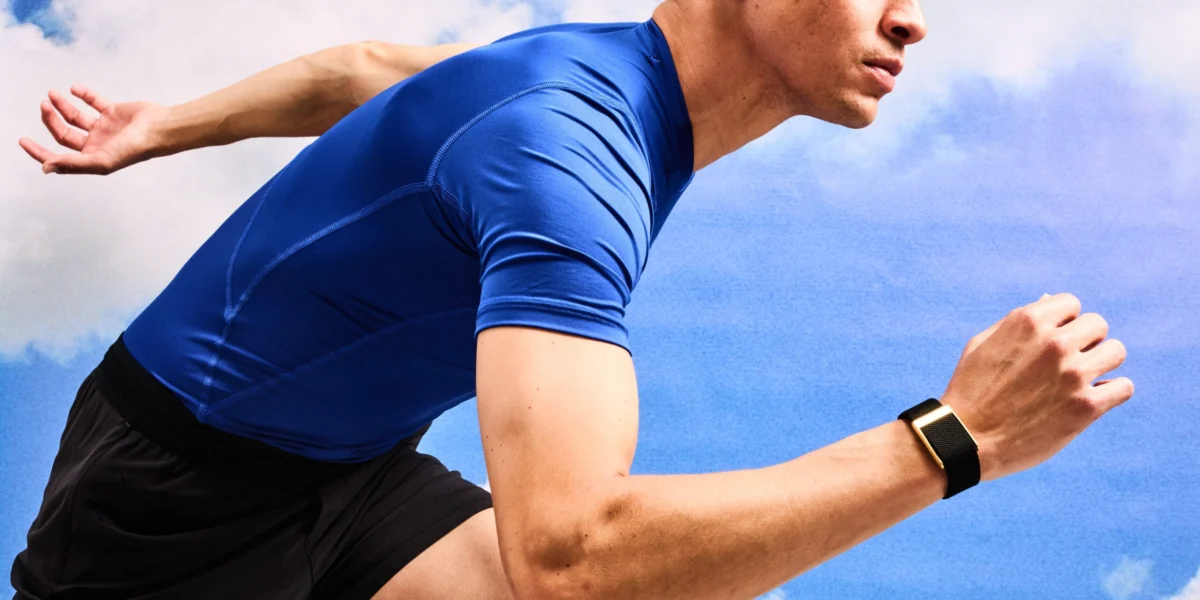
"Modern fitness tracking has evolved beyond mere step counting, transforming heart rate data into a sophisticated blueprint for recovery, performance, and long-term health optimization."
As wearable technology matures, the market has bifurcated into specialized tools for elite performance and integrated smartwatches for daily wellness. This shift marks a transition from reactive health monitoring to a proactive, data-driven lifestyle where metrics like Heart Rate Variability (HRV) and sleep stages dictate daily activity levels. Understanding the nuances between chest straps, optical wrist sensors, and biometric rings is essential for any athlete or health enthusiast looking to quantify their progress and prevent the physiological pitfalls of overtraining.

The New Frontier of Recovery: Whoop Peak and 5.0 Band
The fitness industry has seen a significant shift toward recovery-based training, a movement spearheaded largely by Whoop. The Whoop Peak and 5.0 Band system ($239 with a 12-month subscription) represents a departure from traditional "active" trackers. By eschewing a distracting screen, Whoop prioritizes the collection of high-fidelity data over immediate notification pings.
Utilizing advanced Photoplethysmography (PPG) sensors, the device continuously monitors heart rate to calculate a daily "Recovery" percentage. This metric is a synthesis of HRV, resting heart rate, and sleep quality. For the serious athlete, the Whoop ecosystem provides a "Strain" target, suggesting exactly how much cardiovascular load the body can handle on a given day. Its 14-day battery life ensures that data gaps are minimal, while the 10-meter water resistance allows for consistent wear during swimming or showering. The recent introduction of varied color and style options reflects a growing demand for wearables that transition seamlessly from the squat rack to the boardroom.
Precision in Motion: The Garmin HRM 600
While wrist-based sensors have improved, the chest strap remains the gold standard for real-time accuracy during high-intensity interval training (HIIT) and sprinting. The Garmin HRM 600 ($170) is designed for the purist who requires immediate, lag-free feedback. Unlike optical sensors that measure blood flow through the skin, chest straps like the HRM 600 measure the electrical activity of the heart (ECG), which is inherently more resistant to the "motion artifacts" caused by vigorous arm movement.

The HRM 600 excels in connectivity, utilizing both ANT+ and Bluetooth to transmit data simultaneously to Garmin watches, cycling computers, and gym equipment like treadmills. Its design features a lightweight nylon weave meant for skin-contact placement at the center of the ribcage. With a staggering two-month battery life and 50-meter water resistance, it is a low-maintenance powerhouse. For those deep within the Garmin ecosystem, the HRM 600 serves as a critical bridge between raw effort and the granular analysis found in the Garmin Connect app.
The Stealth Revolution: Oura Ring 4
The Oura Ring 4 ($349) represents the pinnacle of miniaturized health technology. For users who find wristbands cumbersome or aesthetically unappealing, the Oura Ring offers a subtle alternative that monitors heart rate, sleep, and steps from the finger—a location often cited as providing a stronger pulse signal than the wrist.
The Ring 4 is particularly adept at "the other 23 hours" of the day. While it may not be the primary choice for heavy Olympic lifting due to the pressure on the hand, its ability to track nightly blood oxygen levels and body temperature trends makes it an unparalleled tool for early illness detection and hormonal health tracking. With an 8-day battery life and 100-meter water resistance, it is arguably the most durable and "life-proof" device on the list. Its recent head-to-head comparisons with the Samsung Galaxy Ring have solidified its position as the market leader in the smart ring category.

The Ecosystem Titan: Apple Watch Series 11
The Apple Watch Series 11 ($299) continues to dominate the smartwatch landscape by blending clinical-grade health features with seamless digital integration. While its 24-hour battery life requires a daily charging habit, the sheer breadth of its sensor suite—including an SpO2 sensor for blood oxygen and a functional ECG for detecting atrial fibrillation—makes it a formidable health companion.
The Series 11 is designed for the "casual-plus" fitness enthusiast. It provides reliable heart rate tracking for standard workouts while offering a safety net through fall detection and emergency SOS features. For iOS users, the integration is absolute; the watch acts as a remote for the iPhone, a navigation tool, and a fitness coach. While chest straps may beat it for raw sprint accuracy, the Apple Watch’s ability to provide a holistic view of a user’s digital and physical life remains unmatched.
AI-Driven Wellness: Samsung Galaxy Watch 8
Samsung has positioned the Galaxy Watch 8 ($290) as a "wearable personal trainer," leaning heavily into artificial intelligence to interpret biometric data. The integrated Run Coach and AI-powered heart rate monitoring are designed to provide real-time pacing advice, helping runners stay within specific heart rate zones to maximize aerobic efficiency.

The Galaxy Watch 8 offers a 40-hour battery life and 50-meter water resistance, making it a robust choice for Android users. While it does support iOS via a companion app, the experience is optimized for the Samsung ecosystem. The device shines in its sleep tracking capabilities, using AI to analyze snoring patterns and blood oxygen levels to provide a comprehensive "Sleep Score." For those who require a motivational nudge, the Galaxy Watch 8’s proactive coaching can be the difference between a missed session and a new personal best.
The Fitbit Legacy: Google Pixel Watch 4
Following Google’s acquisition of Fitbit, the Pixel Watch 4 ($360) has become the primary vessel for Fitbit’s legendary tracking algorithms. One of its standout features is "Active Zone Minutes," a metric that moves away from simple step counts to measure time spent in fat-burn, cardio, and peak heart rate zones. This approach encourages users to focus on the intensity of their movement rather than just the volume.
The Pixel Watch 4 offers a 72-hour battery life in its optimized modes and features a subtly stylish, domed glass design. It is deeply integrated with the Google ecosystem, making it the premier choice for users who rely on Google Assistant, Maps, and Calendar. However, its 1-meter water resistance rating suggests it is better suited for the gym and the track than the pool. For users transitioning from older Fitbit devices, the Pixel Watch 4 provides a familiar data language within a much more powerful hardware package.

Technical Synthesis: How to Choose
Selecting the right heart rate monitor requires an honest assessment of one’s fitness goals. The technology generally falls into two categories:
- Optical (PPG): Found in Whoop, Oura, and all smartwatches. These use light to measure blood flow. They are excellent for 24/7 monitoring and resting metrics but can struggle during rapid heart rate fluctuations (like sprints) or in cold weather when peripheral blood flow is reduced.
- Electrical (ECG): Found in the Garmin HRM 600 chest strap. These measure the heart’s electrical impulses. They are the most accurate for high-intensity exercise and provide the most reliable data for calculating HRV.
For the athlete focused on total life optimization and recovery, the Whoop or Oura Ring offers the best passive data collection. For the data-driven runner or cyclist, the Garmin HRM 600 is an essential secondary device to pair with a primary watch. For the general consumer looking to balance fitness with connectivity, the Apple Watch Series 11 or Samsung Galaxy Watch 8 provides the most versatile experience.
As Charles Thorp, NASM-certified trainer and editor, notes through his extensive testing, the "best" tracker is ultimately the one you will wear consistently. Whether it’s a ring, a strap, or a watch, the goal remains the same: using the heart’s data to build a stronger, more resilient version of oneself. In an era where "data is the new oil," your heart rate is the most valuable commodity you own. Monitoring it isn’t just about fitness—it’s about understanding the very rhythm of your life.
