
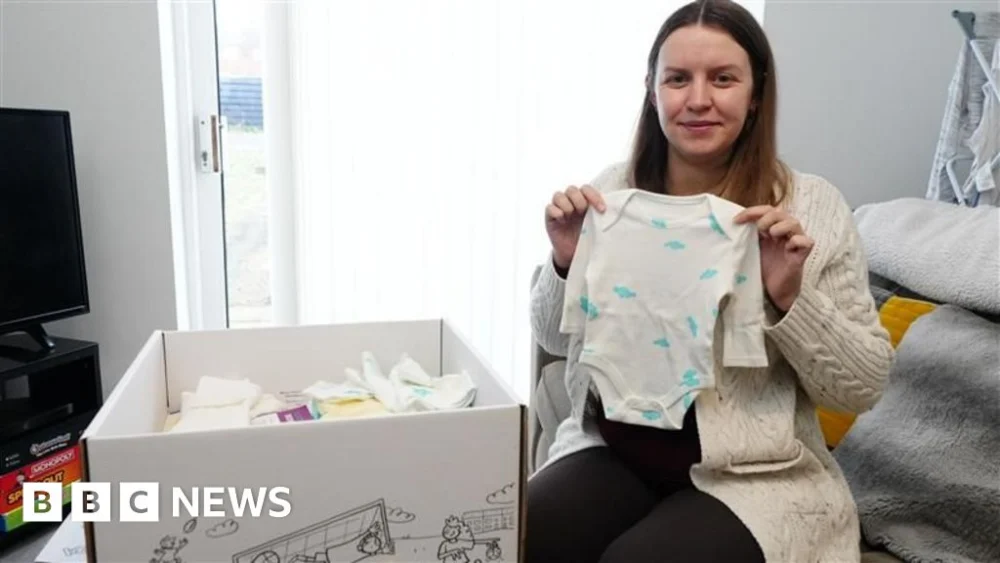
"While hailed as a ‘fantastic’ lifeline by new parents navigating the cost of living crisis, the Welsh government’s baby bundle scheme faces criticism for its limited scope, prompting calls for universal access to ensure no struggling family misses out on vital early support."
The introduction of essential baby bundles by the Welsh government, designed to provide crucial support to new parents, has been met with both widespread praise and significant calls for expansion. Launching this week, the initiative delivers vital supplies to expectant families in some of Wales’s most deprived areas. However, its targeted approach, primarily confined to specific geographical zones, has ignited a debate among charities, political parties, and families who believe its benefits should extend to all parents grappling with the increasing financial pressures of raising a newborn. This nuanced conversation highlights the ongoing challenge of addressing child poverty and ensuring equitable access to resources across the nation.
A Crucial Lifeline for New Families
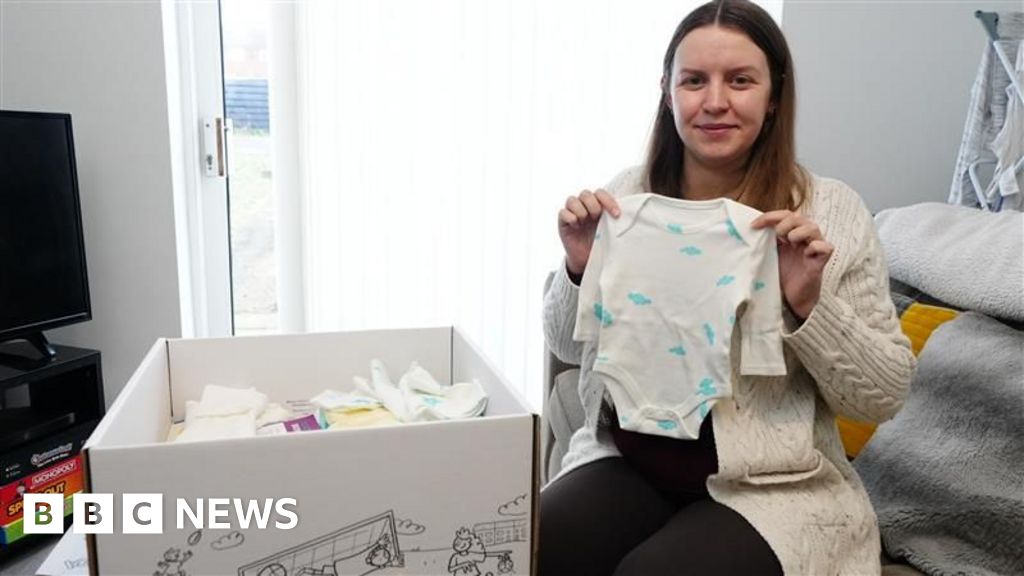
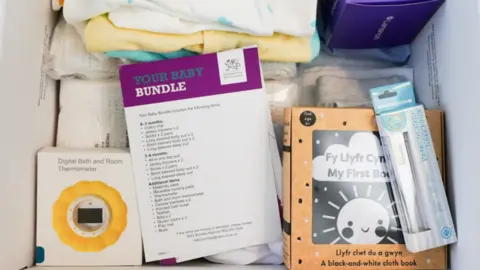
The Welsh government’s baby bundle scheme represents a proactive step in supporting expectant parents during a critical and often financially challenging period. Each bundle is thoughtfully curated, containing a range of essential items designed to cater to a newborn’s first six months. These include practical necessities such as clothing, soft blankets, absorbent bibs, versatile muslin cloths, a reliable thermometer for health monitoring, a bilingual book to encourage early literacy, and a stimulating playmat. Beyond the tangible goods, the bundles also incorporate invaluable information and advice on parenting, alongside details of available support programmes, aiming to empower new parents with knowledge and connections to vital services.
The initiative commenced its deliveries on Monday, with Mollie Young from Newport becoming the inaugural recipient on February 2nd. Her bundle was personally delivered by Minister for Children and Social Care, Dawn Bowden, underscoring the government’s commitment to the programme. Mollie’s reaction encapsulated the sentiment of many beneficiaries: "I was surprised when my midwife told me I could get a parcel of baby clothes and other items before the baby arrives. It’s a fantastic idea and a real practical help." This immediate positive feedback validates the scheme’s potential to alleviate some of the immediate burdens faced by new families.
Targeted Support: The Flying Start Framework
The Welsh baby bundle programme is strategically aligned with the existing "Flying Start" initiative, a flagship Welsh government programme specifically designed to support disadvantaged communities. Flying Start identifies and serves areas experiencing high levels of deprivation, providing comprehensive early years services, including free quality childcare for two-year-olds, parenting programmes, and enhanced health visitor support. By integrating the baby bundles within this framework, the government aims to channel resources directly to the families deemed most in need, ensuring that the intervention reaches those facing the greatest socio-economic challenges.
Eligibility for the bundles is determined through a family’s residence within a Flying Start catchment area. Expectant parents in these zones can register for a bundle through their midwife, with deliveries scheduled between 32 and 34 weeks of pregnancy. While the primary focus is on these designated areas, the scheme also acknowledges that need extends beyond strict geographical boundaries. To address this, midwives are granted limited discretion to register a small number of families who, despite not residing in a Flying Start area, are identified as genuinely requiring support. This provision attempts to introduce a degree of flexibility, yet it simultaneously highlights the inherent limitations of a purely area-based targeting system.
The Call for Universality: Learning from International Models
The decision to target the baby bundles has inevitably sparked a broader conversation about equitable access to such vital support. Critics and advocates for expansion frequently point to the success of universal baby box schemes in other nations, most notably Finland and Scotland. Finland’s pioneering baby box programme, initiated in the 1930s, is renowned for its role in drastically improving infant mortality rates and fostering a sense of equality among new parents. Similarly, Scotland adopted a universal baby box scheme in 2017, providing every new parent with a box of essential items, regardless of their income or postcode. These models are often cited for their destigmatizing effect, ensuring that all families feel supported, and for promoting consistent health and safety messages.
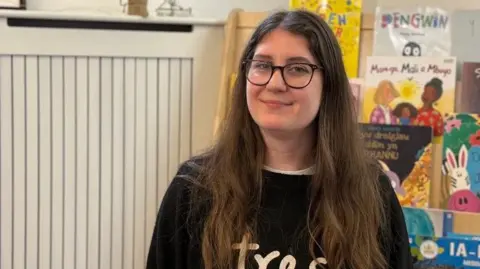
The Bevan Foundation, a prominent Welsh think tank focusing on poverty policy, has been vocal in its support for extending the scheme. Mabli Siriol Jones, head of poverty policy at the foundation, acknowledged the scheme as a "welcome step towards tackling child poverty." However, she cautioned that "limiting the scheme to Flying Start areas means that many families who are struggling will miss out." The Bevan Foundation advocates for a significant expansion, urging the next Welsh government to make the baby bundles available to at least all families receiving Universal Credit, thereby broadening the eligibility criteria to encompass a wider segment of those experiencing financial hardship.
The Postcode Lottery and Lived Experiences
The geographical limitations of the scheme have led to a sense of frustration among some families who find themselves just outside the eligible zones, despite facing similar economic pressures. Jen Baker, a 37-year-old from Roath, Cardiff, articulated this sentiment clearly. Speaking at a playgroup with her two-year-old daughter, Jen highlighted the paradox of her situation: her street is surrounded by postcodes eligible for the Flying Start programme, yet hers is not. This proximity to eligibility, coupled with the ongoing cost of living crisis, makes the exclusion particularly galling. "It does say there are more locations that are going to be added to the Flying Start network… but nothing yet," she noted, expressing a yearning for future expansion. She described the situation as "quite frustrating" given how "close within our grasp" the support was, emphasizing that her family "really could have used that funding, that extra help."
Jen’s experience underscores a critical aspect of targeted interventions: the creation of arbitrary boundaries that can exclude equally deserving families. For her, receiving such a box while pregnant would have been a "real jumping off platform of like what you need, the essentials," highlighting not just the material benefit but also the psychological reassurance it provides to expectant parents preparing for their baby’s arrival.
Economic Realities and Political Perspectives
The introduction of the baby bundles comes against a backdrop of a "crippling cost of living crisis" that has placed unprecedented strain on households across Wales and the wider UK. New parents are particularly vulnerable to rising expenses, with the costs of essential baby items, food, and energy soaring. In this context, even a relatively modest bundle of goods can offer substantial relief, reducing the financial burden and enabling parents to allocate resources to other pressing needs.
Political parties in Wales have largely welcomed the concept of the baby bundles but have also used the opportunity to voice broader concerns about family support and child poverty. Plaid Cymru MS Sioned Williams, while welcoming the bundles, noted the significant delay since the scheme was piloted in 2020, suggesting that families have waited "throughout a crippling cost of living crisis" for this support to materialize.
Other parties have leveraged the discussion to highlight their own policy priorities. A Reform spokesperson claimed that children in Wales "have an almost one-in-three chance of being in poverty" under the current Labour government, framing the issue within a wider critique of economic policy. Welsh Conservative MS Natasha Asghar focused on the party’s "childcare offer," emphasizing the role of grandparents, expanded access to free childcare, and parental choice as crucial elements of family support. Similarly, a Welsh Liberal Democrat Spokesperson asserted that the government must prioritize childcare to offer families "real support," arguing that the "frightening cost of childcare is pushing parents out of work and holding our economy back, and no baby box can fix that on its own." These statements, while not directly critical of the bundles themselves, underscore the sentiment that while valuable, the bundles are one piece of a much larger, complex puzzle of family support.
In contrast, the Wales Green Party deputy leader, Phillip Davies, explicitly advocated for universality, stating that they "believe these baby boxes should be universal as they already are in Scotland," aligning with the arguments made by the Bevan Foundation and many families.
Government’s Rationale and Local Impact
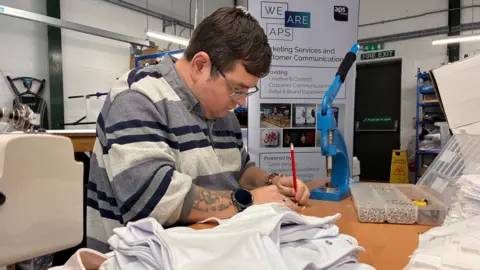
Minister Dawn Bowden defended the current design, stating that "the contents have been chosen based on what parents told us in the initial pilot about which items would make the biggest difference to them." This iterative approach, informed by direct feedback, suggests a commitment to ensuring the bundles are genuinely useful. She also highlighted an important secondary benefit of the programme: "I’m immensely proud that the work that has gone into producing, packing and fulfilling the bundles also supports jobs and businesses here in Wales." This local economic impact, with Welsh companies like Elite Clothing Solutions providing items for the bundles, adds another layer of value to the initiative, connecting social welfare with local economic development.
The Welsh baby bundle scheme represents a commendable effort to provide tangible support to new families in challenging times. While its current targeted approach ensures resources reach those in the most deprived communities, the ongoing debate about its scope highlights the enduring tension between focused intervention and universal provision. As the programme rolls out, the calls for expansion and the lessons from universal models elsewhere will undoubtedly continue to shape discussions about how best to support all new parents across Wales, fostering a society where every child has the best possible start in life.
