
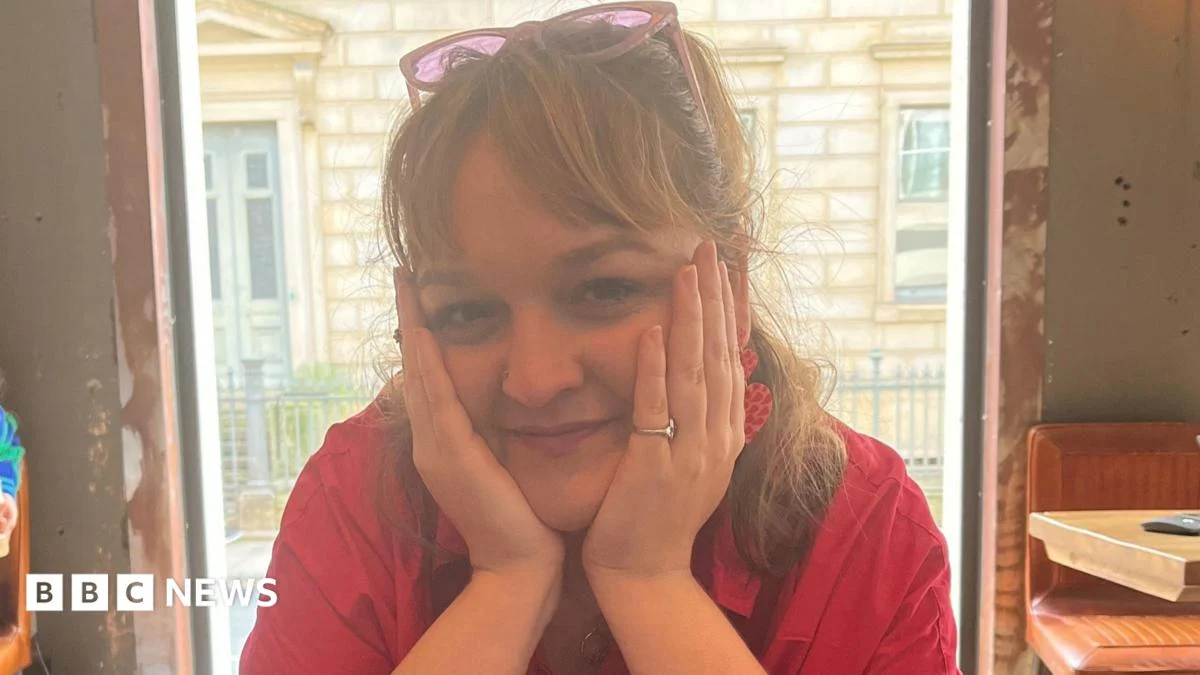
"For far too long, patients, particularly women, disabled individuals, and neurodivergent people, have faced the profound disservice of medical gaslighting, undermining their pain and delaying critical diagnoses with devastating, life-altering consequences."
The profound and often unseen impact of medical gaslighting is coming into sharper focus, driven by the powerful testimonies of individuals like Daneka Etchells and the creative reinterpretation of classic narratives. This insidious practice, where healthcare professionals dismiss or invalidate a patient’s health concerns, not only delays crucial diagnoses but can also erode trust, exacerbate suffering, and lead to permanent disabilities. As patients increasingly speak out, their stories highlight a systemic failing that demands urgent attention and reform within the healthcare system, emphasizing the vital need for empathetic listening and robust patient advocacy.
Daneka Etchells’ journey with endometriosis began at the tender age of 12, a stark departure from the typical adolescent experience. While her friends navigated the usual discomforts of menstruation, Etchells endured periods of extreme heaviness and excruciating pain, an immediate red flag that something was profoundly wrong. Her initial pleas for help were met with standard responses; a doctor prescribed the pill, a common first-line treatment that, for Etchells, proved utterly ineffective. Over the next 17 years, a cycle of multiple GP visits and a lack of genuine solutions became her painful reality, culminating in a permanent physical disability. Etchells describes this prolonged ordeal as "medical gaslighting," a term that encapsulates the frustration and despair of having one’s suffering repeatedly dismissed and invalidated by medical professionals.
Medical gaslighting refers to the systematic dismissal or invalidation of a patient’s health worries, leading them to doubt their own pain, symptoms, and concerns. This phenomenon is particularly prevalent among marginalized groups and those with chronic, often invisible, conditions. For Etchells, the condition she was experiencing was endometriosis, a debilitating and chronic inflammatory disease affecting approximately one in 10 women globally. Endometriosis occurs when tissue similar to the lining of the uterus grows outside the uterus, causing severe pain, heavy bleeding, fertility issues, and organ dysfunction. By the time Etchells finally received her diagnosis, the disease had progressed so extensively that it had caused irreversible nerve damage. "It grew so vast and so wide and for so long, on nerves and ligaments that are attached to my legs," she recounts, explaining how, despite surgical removal of the endometrial lesions, she now lives with a permanent physical disability, relying on mobility aids.
The average diagnostic delay for endometriosis is a staggering nine years. For Etchells, who identifies as neurodivergent, this wait stretched to 17 years. Research suggests that neurodivergent individuals, such as those with autism or ADHD, often face additional barriers in healthcare settings, including communication challenges, sensory sensitivities, and a higher likelihood of their symptoms being misunderstood or dismissed as psychological. This intersection of neurodivergence and a condition like endometriosis can compound the difficulties in achieving a timely and accurate diagnosis.
The devastating impact of this delayed diagnosis became acutely clear during a pivotal moment in Etchells’ professional life. While performing as Lucius in Titus Andronicus at Shakespeare’s Globe, an iconic London theatre, what should have been a career highlight transformed into a stark realization of her deteriorating health. The intense physical demands of acting became impossible to manage. "I was using my walking stick pretty much all the time at that point and I could barely get up the stairs," she recalls, detailing overwhelming fatigue and constant pain that forced her to take a six-month sabbatical. Her condition rendered her "trapped" in her own body, profoundly immobile due to severe pain, heavy periods, and debilitating bladder and bowel problems that confined her to her home for extended periods.
Faced with an unbearable wait for treatment through the National Health Service (NHS), Etchells resorted to drastic measures. She saved, borrowed, and raised funds through a GoFundMe campaign to access private healthcare, even negotiating directly with a surgeon’s secretary for the best possible deal. She underwent excision surgery, a highly specialized procedure considered the gold standard for endometriosis treatment, which involves meticulously cutting out endometrial lesions rather than merely burning them off (ablation). While the surgery brought some relief, making her feel "lighter," the cumulative effect of years of medical dismissal had already taken its toll, leaving her with lasting damage and a permanent mobility impairment. Despite the ongoing pain and her reliance on a mobility aid, Etchells has bravely returned to the stage, a testament to her resilience.
Etchells’ personal struggle finds a powerful echo in a new stage adaptation of The Secret Garden, in which she is performing. This disabled-led production delves into the very concept of medical gaslighting through one of its central characters, Colin. The original classic, published 115 years ago, tells the story of 10-year-old Mary, who discovers a locked garden and her disabled cousin, Colin, hidden away in her uncle’s sprawling estate. In the traditional narrative, Colin is portrayed as a sickly child whose eventual "cure" is presented as a miraculous recovery, allowing him to walk and run, thereby regaining his father’s love.
However, the new stage version, penned by playwright Tom Wentworth, subverts this ableist trope. Wentworth, who identifies as "queer and disabled," cherished the book as a child but found its ending disconnected from his own reality of living with a disability. Like Colin, Wentworth spent significant time confined to bed due to health issues. His reimagined ending rejects the notion of a miraculous cure for Colin. Instead, it focuses on Colin finding his voice, advocating for himself, and being genuinely listened to, empowering the children to articulate their needs and navigate their lives with agency.
Wentworth’s personal experiences further underscore the play’s themes. He describes his own encounters with medical gaslighting, particularly concerning a series of recent urological problems. Doctors, he notes, often attribute his symptoms to his cerebral palsy—a neurological condition affecting movement and coordination—rather than conducting a thorough diagnosis of the specific issues at hand. This tendency to conflate any new symptom with an existing disability is a common form of medical gaslighting experienced by disabled individuals, leading to misdiagnoses and delayed treatment.
"The thing is, disabled people know their bodies incredibly well," Wentworth asserts, challenging the inherent power imbalance in the doctor-patient relationship. "So we should, I firmly believe, be trusted more than some other people, because we’ve been living in these bodies and we’ve been hyper-aware of them for so long. And the lack of trust is quite palpable." This sentiment highlights a critical issue: the medical profession’s frequent failure to acknowledge the lived expertise of patients, particularly those with chronic conditions or disabilities. Wentworth’s efforts to seek recourse through his local Patient Advice and Liaison Service (PALS) have yielded "mixed results," reflecting the systemic challenges in resolving patient concerns effectively. Through his adaptation of The Secret Garden, Wentworth aims to empower young audiences to recognize medical gaslighting and develop self-advocacy skills.
The experiences of Etchells and Wentworth are not isolated incidents but reflect a broader, systemic issue acknowledged by patient advocacy groups. Healthwatch England, an independent champion for health and social care users, works to improve services based on patient feedback. William Pett, its interim director of policy, confirms that such experiences are "unfortunately" common, particularly for individuals with conditions like ADHD and endometriosis. He notes that Healthwatch England most frequently hears from young people, women, and those identifying as LGBTQ+, who consistently report feeling "less likely to feel listened to by healthcare professionals than others." This highlights intersectional biases within healthcare, where gender, age, sexual orientation, and disability can all contribute to a heightened risk of medical gaslighting and substandard care.
In response to these pervasive issues, Healthwatch England has advocated for significant reforms to the NHS complaints system, aiming for quicker, more satisfactory resolutions for patient concerns. Furthermore, the NHS has recently introduced Martha’s Law, a critical safeguard allowing patients, their families, or carers to request a rapid review if a patient’s condition is deteriorating rapidly or causing significant concern. This law, inspired by the tragic death of Martha Mills, aims to empower patients and families to escalate care when they feel their concerns are not being adequately addressed.
The Department of Health and Social Care acknowledges these challenges. A spokesperson stated, "Our renewed Women’s Health Strategy recognises medical gaslighting as a real barrier, particularly for those living with conditions like endometriosis, and our recently published Quality Strategy sets clear standards to ensure everyone – including disabled people – receives the high-quality, respectful care they deserve." They further emphasized, "Every patient deserves to be heard, believed, and treated with dignity, which is why our 10-year Health Plan sets out how we are putting patient voice at the heart of our NHS reforms." These policy commitments represent a crucial step towards acknowledging and addressing the systemic issues that contribute to medical gaslighting. However, the true measure of their effectiveness will lie in their implementation and the tangible changes experienced by patients on the ground.
While Etchells wishes she had been listened to during that initial GP visit at age 13, she now feels "lucky" to be under the care of a dedicated endometriosis team that genuinely listens to her. Despite this progress, the neuropathic pain in her legs, a lasting consequence of the ligament damage, remains a constant companion. On days when work commitments prevent her from taking strong pain medication, she has developed a coping mechanism that speaks volumes about her enduring struggle: she pretends the pain isn’t there. "I medically gaslight myself to get through the day," she says, a poignant and ironic reflection on the profound psychological and physical toll of her 17-year journey. Her words serve as a powerful reminder that while systemic reforms are vital, the personal battles against medical disbelief leave deep and lasting scars, necessitating a fundamental shift towards empathy, trust, and patient-centered care across the entire healthcare landscape.
