
"For too long, women’s pain has been normalized and dismissed within healthcare systems, leading to devastating long-term consequences and a profound sense of being unheard. Systemic change is urgently needed to ensure women’s voices are not only believed but also central to the design and delivery of their health services."
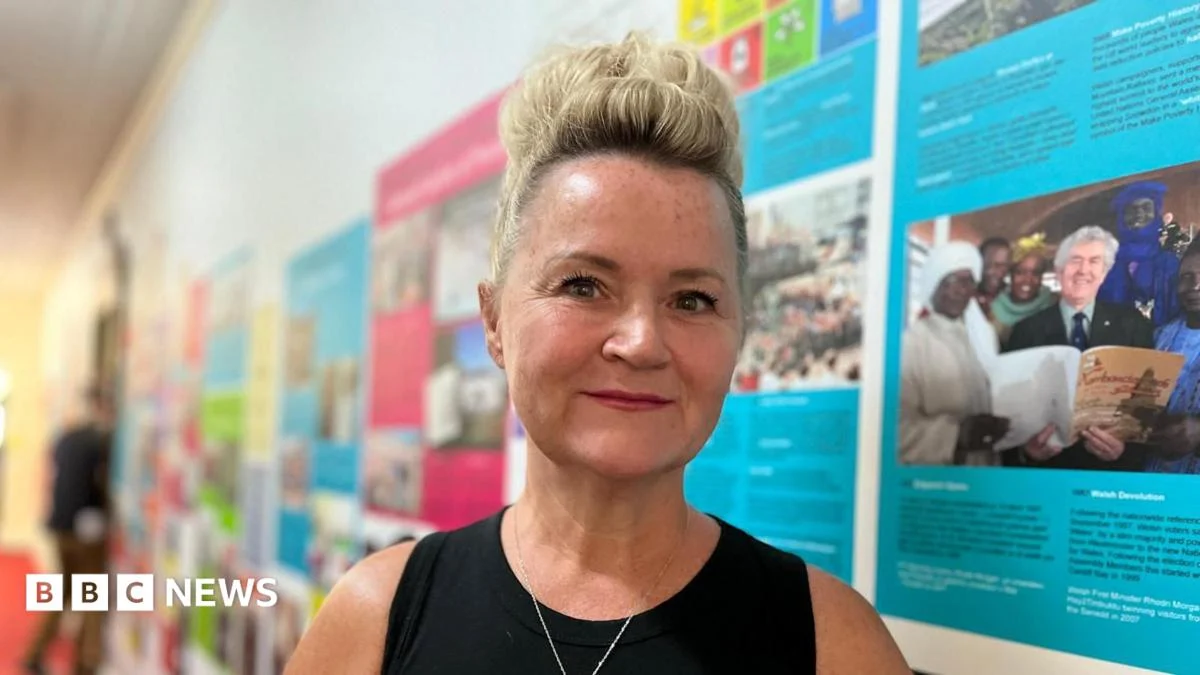
The harrowing experience of Donna Davies, a 56-year-old woman from Swansea, brings into sharp focus a deeply entrenched issue within healthcare: the frequent dismissal of women’s pain and health concerns. Her nearly two-decade-long ordeal, stemming from a vaginal mesh implant, culminating in the imminent removal of her large bowel and the need for a permanent stoma, underscores the profound impact of medical interventions gone wrong and the systemic failures in validating women’s suffering. Davies’s journey from debilitating pain to a point where her concerns were only acknowledged after her husband intervened highlights a critical flaw in current healthcare paradigms, a flaw that a recent women’s health summit in Wales sought to address through a concerted effort to strengthen women’s voices and reform service provision.
Donna Davies’s life was irrevocably altered nearly 20 years ago when she underwent a procedure to address stress urinary incontinence, a common condition often arising after childbirth, for which a vaginal mesh device was implanted. This synthetic mesh, designed to support weakened pelvic organs or urethras, was initially hailed as a revolutionary solution but has since become the subject of widespread controversy due due to its severe and often life-altering complications. For Davies, the device proved to be a source of relentless agony. She described her pain as feeling "cut by glass every time I moved," a visceral and constant torment that significantly diminished her quality of life.
Despite her persistent and severe symptoms, Davies faced a disheartening lack of belief from medical professionals. Her pleas for help and descriptions of her suffering were met with skepticism, a common experience reported by countless women globally who have endured similar medical gaslighting. It was only when her husband recounted an incident to her surgeon that her pain was finally acknowledged, illustrating a disturbing societal and medical bias where a woman’s account of her own body’s distress is often undervalued until corroborated by a male figure. This incident served as a stark reminder of the deeply ingrained prejudices that continue to permeate healthcare, hindering effective diagnosis and timely intervention for women.
Eventually, the mesh device was removed, and in a complex subsequent procedure, a "sling" fashioned from her own muscles was created simultaneously with a total hysterectomy. However, these interventions did not bring an end to her suffering. Davies continues to endure constant neuropathic pain, a severe chronic pain condition resulting from nerve damage. The most devastating consequence of her ordeal is yet to come: she is scheduled to lose her large bowel and will require a permanent stoma, fundamentally altering her bodily functions and quality of life. Her experience is not isolated; she is one of an estimated 100,000 women in the UK who underwent similar procedures for incontinence or prolapse, many of whom have subsequently suffered severe, life-altering complications, leading the NHS to pause the procedure due to safety concerns.
Davies’s plight extends beyond her personal suffering to a broader systemic issue within Wales. She articulates a profound sense of abandonment, stating, "I feel that women in Wales are being forgotten." Her frustration is amplified by the glaring disparity in specialist services: while England boasts nine dedicated specialist centres for women suffering from mesh-related complications and other complex women’s health issues, Wales currently offers none. This geographical lottery means Welsh women are often forced to seek care outside their nation or face prolonged waits and inadequate support, exacerbating their physical and emotional distress.
The gravity of these issues was the central focus of a recent women’s health summit held at the Temple of Peace in Cardiff. The summit, which brought together clinicians, researchers, and women with lived experience like Donna Davies, aimed to confront the pervasive problem of women’s pain being routinely dismissed as "normal" within healthcare settings. Delyth Jewell, the women’s health minister in the Senedd, voiced a strong commitment to rectifying these systemic failures. She emphasized her determination to "strengthen women’s voices so that women will be believed about their bodies," acknowledging the historical and ongoing pattern of disbelief.
Minister Jewell challenged the insidious normalization of pain, questioning, "I wonder how many women will have heard the words ‘this might hurt’ when they go to the doctor? That shouldn’t be normal." Her statement highlights a cultural acceptance of discomfort and pain as an inherent part of being a woman, a notion that has historically led to the underdiagnosis and undertreatment of numerous female-specific conditions. She further asserted that women’s health services are too often viewed as a "should" rather than a "must," resulting in their deprioritization within the broader healthcare system. To counteract this, she called for improved training for medical professionals and greater prioritization of women’s health in clinical settings.
Isabel Linton from the charity Fair Treatment for the Women of Wales echoed these sentiments, highlighting that obtaining a diagnosis is often just the initial hurdle; securing appropriate treatment remains a significant challenge. Linton pointed to the difficulties Welsh women face in navigating or transitioning between different health boards, a bureaucratic barrier that often delays or denies access to specialized care. She also stressed the critical need to expand the definition of "women’s health" beyond the traditional confines of obstetrics and gynaecology, periods, and childbirth. Linton underscored that many other conditions with a higher female prevalence, such as autoimmune disorders and cardiovascular health, are frequently overlooked or misdiagnosed in women. She noted that women are disproportionately likely to die from heart attacks because diagnostic symptoms are often based on male presentations, leading to delayed recognition and treatment. For Linton, a comprehensive women’s health plan is merely the "starting point, not the end of it," advocating for sustained momentum and action.
The summit itself was a testament to the collective determination to drive change. It aimed to draft minimum standards designed to ensure that women’s voices continue to shape the delivery and future priorities of the Women’s Health Plan. This plan, launched in December 2024 under the previous Labour government, had already incorporated the feedback of thousands of women in its design stages. However, Minister Jewell acknowledged the necessity for further work later this year to gather additional feedback on areas requiring improvement. When questioned about potential delays this might cause, she expressed her resolve to see "something urgent happening," recognizing the critical need to address long waiting lists for gynaecological services, which are currently among the longest.
Minister Jewell emphasized that women should not be left "languishing in pain for years," calling for a unified effort across the entire health service to bring down these waiting times. While acknowledging "pockets of fantastic practice in different health boards," she unequivocally stated that "too many examples of things not being prioritised for women’s health" necessitate a fundamental shift. The path forward requires a collaborative approach, breaking down silos between health boards and disciplines, and ensuring that women’s health is not an afterthought but a central tenet of healthcare provision.
Donna Davies’s story serves as a poignant and urgent reminder of the human cost when healthcare systems fail to listen, believe, and adequately treat women. Her ongoing suffering and the broader systemic issues it illuminates underscore the critical imperative for the reforms being championed in Wales. By prioritizing women’s voices, investing in specialized services, improving professional training, and broadening the scope of women’s health, Wales has the opportunity to lead the way in creating a more equitable, responsive, and compassionate healthcare system for all its female citizens. The commitment articulated at the summit must now translate into tangible actions that prevent other women from enduring the silent, unheard agony that has defined Donna Davies’s past two decades.
