
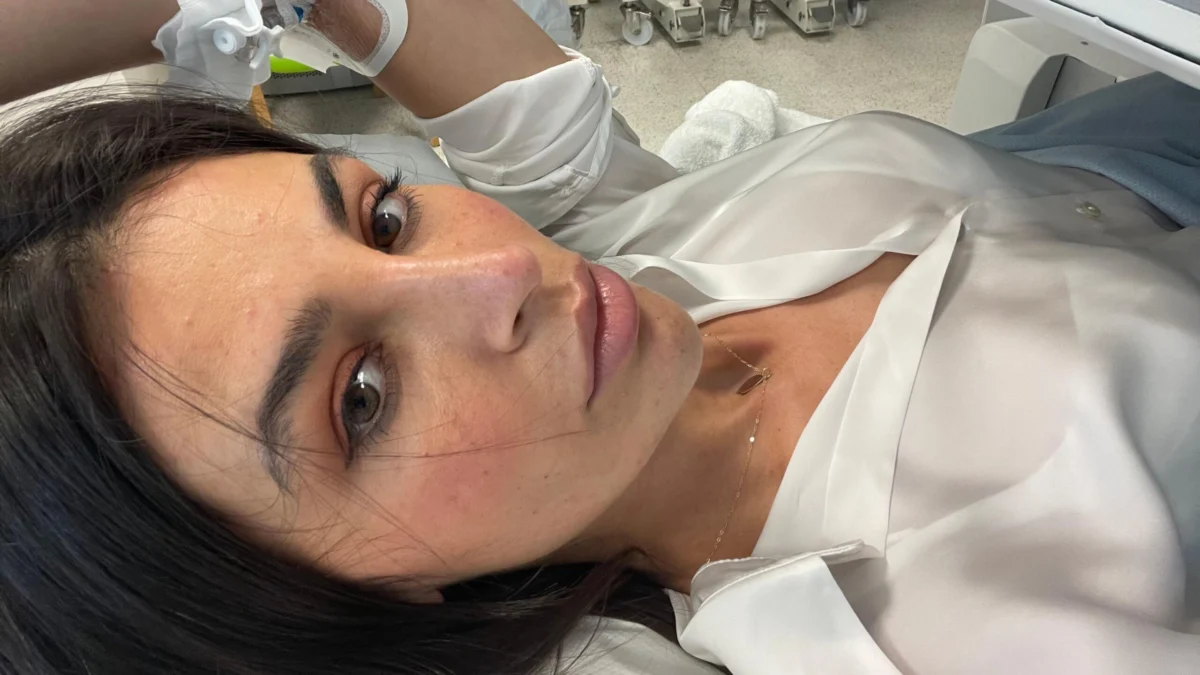
"A silent epidemic is driving countless women out of their careers, leaving them in debilitating pain, battling misdiagnosis, and facing a stark lack of workplace support. Endometriosis, far more than ‘just a period condition,’ demands urgent recognition and systemic change to protect women’s health and professional lives."

Endometriosis, a chronic and often debilitating condition where tissue similar to the lining of the womb grows outside the uterus, is systematically undermining the careers and quality of life for millions of women worldwide. Characterized by excruciating pain, heavy bleeding, fatigue, and potential infertility, the disease frequently goes undiagnosed for years, leading to severe complications and forcing many women to abandon their professional aspirations. This pervasive issue highlights significant gaps in healthcare provision, workplace understanding, and legislative protection, creating a profound societal challenge.
Carla Cressy’s experience epitomizes the devastating impact of endometriosis. From the tender age of five, Carla embarked on a promising career as a model, a path abruptly derailed by the onset of severe symptoms at 13 when her periods began. She recounts a harrowing period of collapsing on shoots, a deeply embarrassing and ultimately career-ending consequence of her escalating pain. For twelve years, Carla endured what she describes as excruciating, incapacitating pain, yet medical professionals repeatedly misdiagnosed her. Doctors initially removed her appendix, believing she had acute appendicitis, and later dismissed her severe vomiting, inability to eat, and chronic constipation as mere "stomach bugs." It wasn’t until she was 25 that she finally received the correct diagnosis of endometriosis.
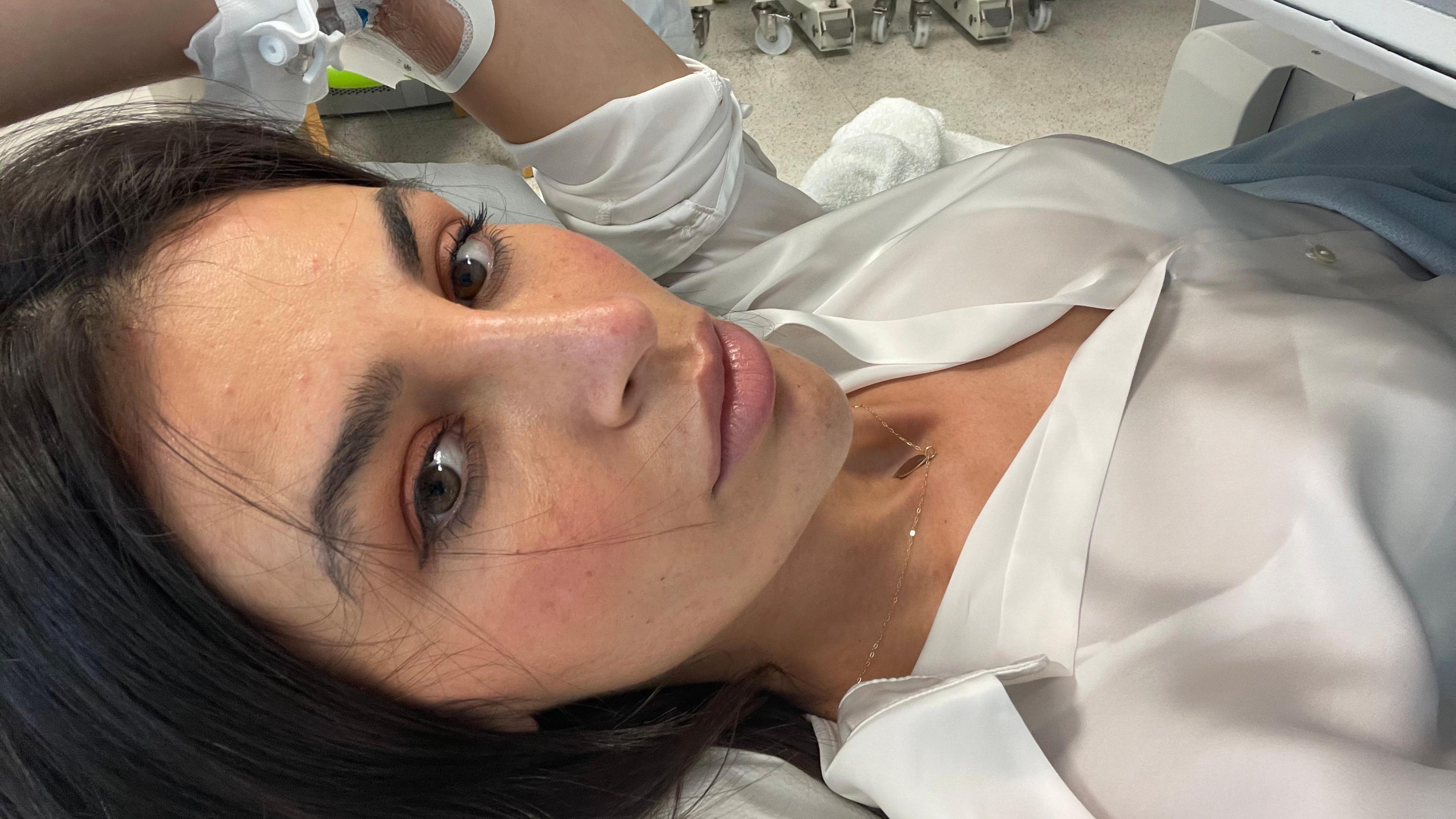
The prolonged diagnostic delay had irreversible consequences for Carla’s career trajectory. Feeling "unemployable and unreliable" due to her unpredictable health crises, she was compelled to retrain as a beauty therapist, a profession that offered the flexibility to manage her symptoms, even if it meant retreating to a boiling hot bath between clients to alleviate abdominal agony. Her story is not unique; estimates suggest that one in six women with endometriosis are ultimately forced to leave the workplace due to the relentless demands of the condition.
The prevalence of endometriosis is striking, affecting approximately one in ten women of reproductive age globally – a staggering 176 million individuals. Despite its widespread nature, the average diagnostic delay often spans 7 to 10 years, during which the disease can progress unchecked, causing extensive damage. This delay is compounded by a lack of specific legislation in the UK to ensure fair treatment and necessary time off work for employees suffering from menstrual health conditions. Recognizing this critical gap, Carla Cressy recently provided evidence to an ongoing inquiry into how endometriosis impacts women in the workplace, advocating for systemic change. Her tireless efforts in raising awareness led to her being awarded an OBE earlier this year, a testament to her dedication in making endometriosis a more visible and understood condition.

Carla’s delayed diagnosis meant her endometriosis had advanced to a severe stage known as "frozen pelvis disease," where organs become fused together by scar tissue. This extensive damage necessitated bladder reconstruction surgery and a total hysterectomy, effectively destroying her reproductive organs. While she managed to freeze her eggs, her ability to carry a child has been lost, meaning any future children would require surrogacy. These profound personal losses underscore the severity of the disease when left untreated. Confined to bed after her surgeries, Carla channeled her adversity into advocacy, connecting with other women online and eventually founding The Endometriosis Foundation. She passionately challenges the misconception that endometriosis is "just a period condition," highlighting its potential for lung collapse, kidney loss, extensive surgeries, infertility, and the premature termination of promising careers.
Abi Smith, 27, shares a similar narrative of early onset and medical dismissal. At age 10, struggling with pelvic pain, she was prescribed a gut health yoghurt. When her periods began shortly after, the pain became so intense she felt "like [she] was dying." Working at a post office, Abi often found herself hunched over, serving customers while battling nausea, frequently vomiting into a bin, and making constant trips to the toilet. Like Carla, her diagnosis was delayed, finally confirmed at 21. Abi expresses deep frustration at how doctors failed to take her seriously for so many years. She is currently undergoing her third medically induced menopause, a treatment designed to "shut down" her ovaries and manage her severe pain. The emotional toll has been immense, leading her to describe herself as a "very bitter person." Despite her pain, Abi continues to work as a sales administrator, having been rejected for disability benefits three times. While she finds the ongoing inquiry into workplace impact encouraging, she hopes for a broader examination of the systemic failures that affect women with endometriosis.
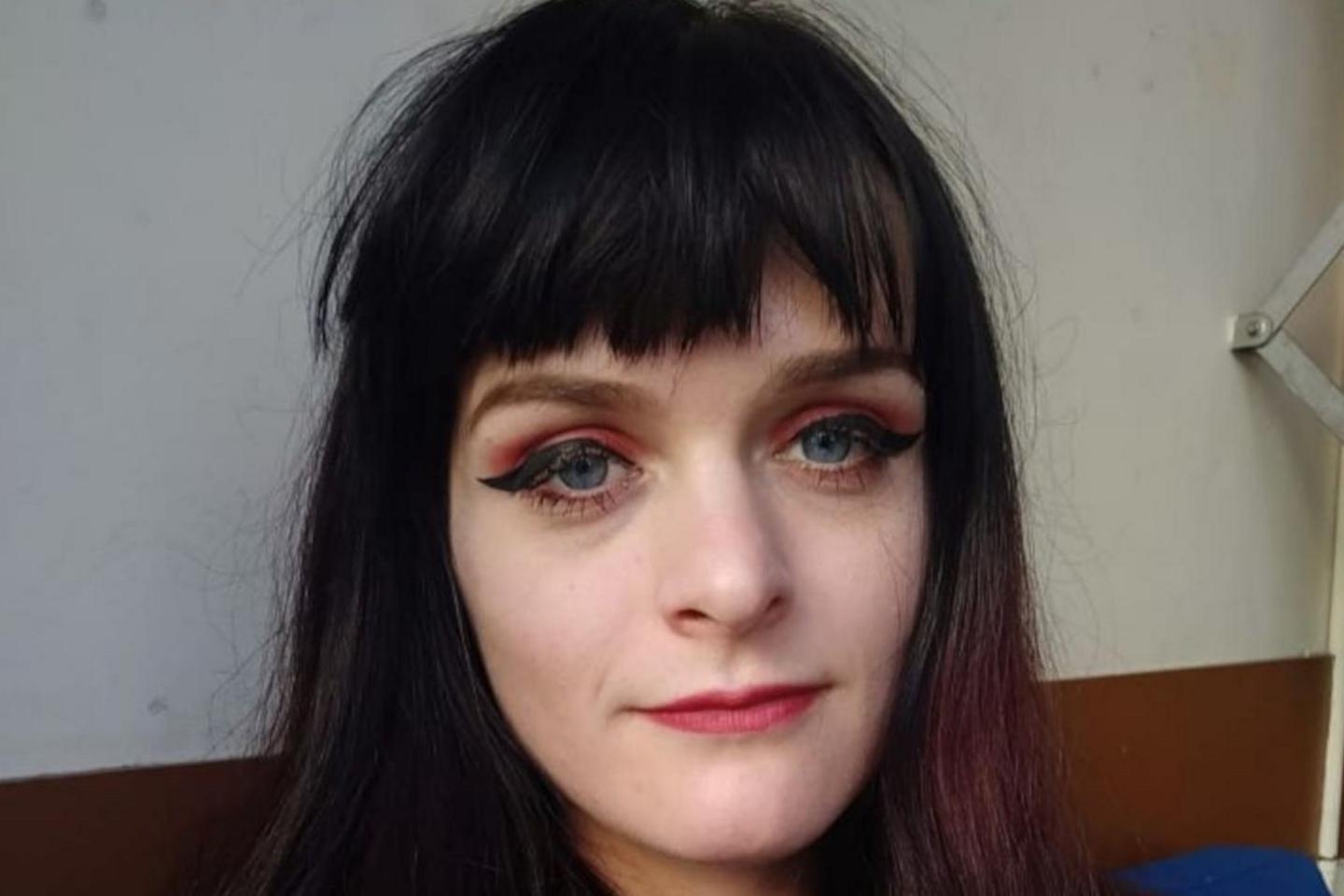
Psychotherapist Dr. Sula Windgassen sheds light on the psychological burden faced by women with endometriosis. She notes that many patients are told their symptoms are "all in their head," a form of medical gaslighting that exacerbates their suffering. This dismissal often forces women to quit their jobs, leading to isolation and heightened anxiety. Dr. Windgassen explains that therapy frequently becomes a space for patients to explore drastic career changes, such as seeking hybrid working arrangements or alternative employment, decisions that are far from simple. She has encountered women who describe pain "beyond 10 out of 10," leaving them bedridden and unable to function normally. Dr. Windgassen is actively researching medical gaslighting and unconscious bias within healthcare, asserting that repeated medical dismissal can worsen health outcomes, leading to physiological changes like increased inflammation and altered cortisol patterns. She unequivocally labels the systemic failures as "medical misogyny."
Monica Thomas, 34, from Ipswich, also endured years of delayed diagnosis. Her endometriosis has aggressively spread, affecting her lungs, requiring imminent surgery, and necessitating future operations on her bowels and pelvis. Adding to her complex health profile, Monica also lives with adenomyosis (where the womb lining grows into the muscular wall of the womb), pelvic congestion syndrome (a cause of chronic pelvic pain), and Lichen Sclerosus (a chronic inflammatory skin condition affecting the genitals). This constellation of conditions left Monica feeling "incredibly isolated, lonely, confused," and without support. She questions whether her extensive health issues could have been mitigated had her pain been believed earlier.

Inspired by her own struggles and the similar stories of countless other women who felt "unheard and unsupported," Monica established the charity Women’s Health Hope. The organization is set to open a dedicated women’s health hub at the Unity Centre in Ipswich next month. Monica emphasizes the critical need for such spaces, citing a recent study revealing that 84% of women feel unheard by healthcare professionals. Her initiative aims to provide a vital sanctuary where women can openly express their emotions, find support, and feel validated.
An NHS spokesperson has affirmed that "Medical professionals, including GPs, should follow National Institute for Health and Care Excellence guidelines to diagnose endometriosis," and that "Struggling patients can also receive specialist care for menstrual problems and endometriosis through women’s health hubs, which are available in most areas." While these guidelines and hubs represent progress, the lived experiences of women like Carla, Abi, and Monica underscore the urgent need for more consistent implementation, enhanced clinician training, and a fundamental shift in how women’s pain and reproductive health conditions are perceived and treated. Addressing this silent epidemic requires a multi-faceted approach, encompassing faster diagnosis, comprehensive treatment, robust workplace accommodations, and an unwavering commitment to believing and supporting women.
