
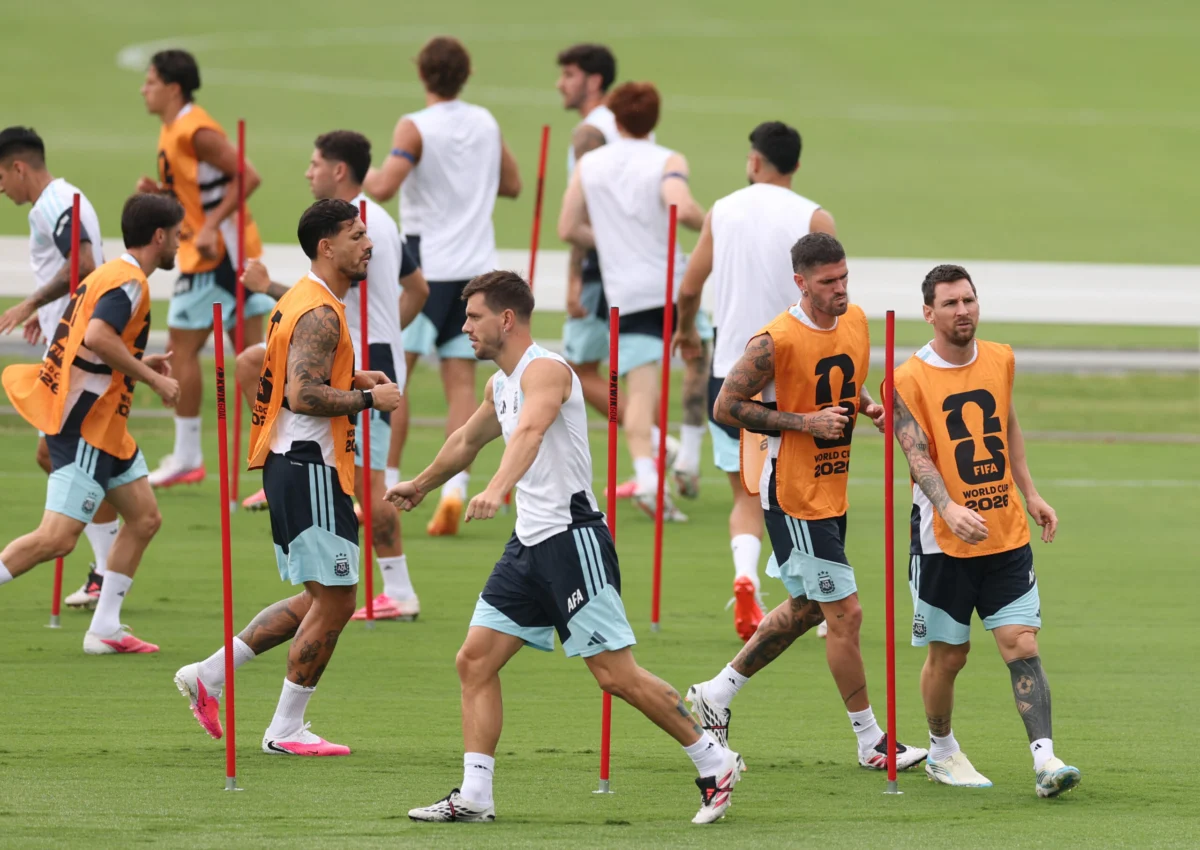
"Beyond the roar of the crowd and the glory of the final whistle lies a hidden, relentless battle waged within each player’s body. This intricate medical marathon, powered by a dedicated army of sports scientists, physicians, and nutritionists, is as crucial to lifting the World Cup trophy as any game-winning goal."
As billions of eyes turn towards the FIFA World Cup final, fixated on breathtaking goals, nail-biting finishes, and the potential drama of penalty shootouts, another, less visible contest is already reaching its climax. This is the grueling medical battle waged inside the bodies of the elite athletes who have endured weeks of high-stakes competition. By the time the championship match kicks off, the finalists are not just carrying the weight of expectation, but also the accumulated burden of significant physical exertion: pervasive muscle fatigue, microscopic tissue damage, and severely depleted energy reserves. The prospect of extra time, a common feature in knockout stages, amplifies this physiological challenge, escalating the risk of dehydration, debilitating cramps, and muscle injuries at the precise moments when every sprint, every tackle, and every touch can define a nation’s destiny. Behind every team vying for football’s ultimate prize stands an unseen legion of medical professionals – physicians, physiotherapists, nutritionists, and sports scientists – whose tireless efforts are dedicated to ensuring their athletes can withstand the relentless 90, or potentially 120, minutes of ultra-high-intensity play. Their indispensable work, often overlooked by the highlight reels, frequently becomes the decisive factor separating the joy of championship victory from the disappointment of a hobbled exit from the field.
The physical toll of a World Cup final escalates dramatically when regulation time proves insufficient, pushing players beyond their predicted physical limits. A comprehensive systematic review published in PLOS ONE unequivocally demonstrates that prolonged match play, particularly when coupled with accumulating fatigue, significantly diminishes physical performance. This decline manifests as reduced sprint capacity, impaired technical execution, and a markedly elevated susceptibility to muscle injuries. The demands placed upon a professional footballer are immense. On average, players cover between 10 to 13 kilometers per match, a distance punctuated by repeated, explosive bursts of sprinting, abrupt decelerations, and rapid changes in direction. This dynamic movement pattern exerts extraordinary stress on key muscle groups, including the hamstrings, calves, and quadriceps. Unlike endurance athletes who typically maintain a more consistent pace, soccer players engage in a complex interplay of locomotion, cycling between walking, jogging, sprinting, and explosive, multi-directional movements. This unique physiological demand creates a distinct pattern of muscular fatigue that becomes particularly pronounced and detrimental during the extended periods of extra time. The medical staff are therefore engaged in a continuous, vigilant process of monitoring players for even the most subtle indicators of declining performance. These can include alterations in running mechanics, a slight lag in reaction times, or an increase in perceived exertion, all of which can serve as early warning signs of an elevated risk of injury. This proactive approach to identifying and mitigating risk is fundamental to the medical team’s strategy.
Hydration, while undeniably critical, represents only one facet of the complex physiological support required by elite footballers. During intense matches, particularly in warmer climates, players can lose several liters of fluid through sweat. However, simply replenishing water volume is insufficient to maintain optimal performance and prevent heat-related complications. Athletes engaged in prolonged, high-intensity exercise require meticulously individualized hydration strategies. These protocols go beyond mere water intake, focusing on the replenishment of essential electrolytes, particularly sodium, and carbohydrates. This comprehensive approach is vital for sustaining energy levels, supporting muscle function, and mitigating the risks associated with heat stress. Even mild dehydration, often characterized by a loss of just 1-2% of body weight, can have a profound negative impact on crucial cognitive functions and physical capabilities. Decision-making, concentration, and the ability to execute explosive sprints – skills that are paramount in matches frequently decided by a single defensive lapse or a perfectly timed attacking run – can be significantly compromised. Complementing hydration efforts, nutrition specialists play an equally vital role throughout the tournament. Their primary objective is to ensure the restoration of depleted glycogen stores. Glycogen, the stored form of glucose in muscles and the liver, serves as the body’s primary fuel source for repeated high-intensity efforts, and its depletion directly correlates with performance decline.
The science of recovery in elite sports has evolved into a sophisticated and multifaceted discipline, with interventions commencing long before the final whistle of a match. Immediately following strenuous competition, players typically engage in a series of targeted recovery protocols. These often include active recovery exercises, designed to promote blood flow and reduce muscle stiffness, precise nutritional interventions aimed at kick-starting the repair process, and optimized sleep strategies. Some high-profile teams employ advanced recovery modalities such as cold-water immersion therapy, compression garments, and specialized massage techniques. While the efficacy of some of these methods remains a subject of ongoing scientific debate, the fundamental principle is to accelerate muscle repair and reduce inflammation. Nevertheless, the foundational pillar of recovery, and arguably the most potent predictor of both cognitive function and injury prevention in elite athletes, remains adequate and high-quality sleep. The tournament schedule, with its tight turnaround between crucial knockout matches, leaves minimal margin for error. Medical staff must constantly navigate the delicate equilibrium between maintaining adequate training intensity to preserve match fitness and prioritizing sufficient recovery to prevent overtraining and mitigate injury risk. This intricate balancing act requires a deep understanding of each player’s individual physiological response to training and competition.
Modern sports medicine is increasingly leveraging the power of advanced technology, transforming wearable devices and sophisticated data analytics into indispensable teammates. Heart-rate monitors, accelerometers, and biomechanical sensors are now routinely employed to detect the subtle, often imperceptible, signs of accumulating fatigue before they manifest as overt injuries. Many professional clubs and national teams meticulously collect real-time data on players’ workloads, acceleration patterns, and movement dynamics. This influx of information allows medical staff to meticulously individualize training sessions, tailoring them to each player’s specific recovery status and readiness to perform. While these technological advancements cannot guarantee the complete elimination of injuries, they possess a remarkable capacity to identify critical warning signs that might otherwise go unnoticed until it is too late. This proactive, data-driven approach represents a significant paradigm shift in how player health and performance are managed.
For the legions of fans celebrating the World Cup, the final whistle signifies the triumphant conclusion of a month-long global spectacle. However, for many of the athletes who have poured their heart and soul onto the pitch, the journey of recovery has only just begun. Some players face weeks, or even months, of rehabilitation to address muscle strains, ligament tears, or persistent inflammation before they can contemplate a return to their club duties. Others, unfortunately, find themselves carrying the cumulative physical burden of the tournament into the demanding domestic season, where congested fixture lists offer little respite or opportunity for comprehensive recovery. In essence, achieving World Cup success mirrors the experience of enduring an exceptionally demanding, extended match. Victory hinges not solely on tactical brilliance or moments of individual genius, but critically on a sustained and sophisticated medical effort that ensures players remain healthy and capable of seizing those pivotal moments. When the coveted World Cup trophy is finally hoisted aloft, it represents not only a triumph of athletic prowess and strategic acumen but also a profound victory for the dedicated physicians, physiotherapists, nutritionists, and sports scientists whose unseen, relentless work empowered their team to go the distance, even when the game demanded the extraordinary effort of extra time.
