
"The debilitating impact of endometriosis, often compounded by years of diagnostic delay, underscores an urgent need for enhanced medical training, increased funding, and dedicated support systems within healthcare, ensuring no patient endures such profound suffering in silence."
The chronic and often excruciating pain associated with endometriosis, a condition affecting millions globally, frequently subjects individuals to a protracted and frustrating diagnostic journey. Jessica Lewis’s experience, enduring symptoms from age 14 and waiting over a decade for a diagnosis, exemplifies a systemic challenge within healthcare that demands immediate attention and comprehensive reform. Her story, echoed by countless others, highlights not only the severe personal toll of the disease but also the critical need for improved medical education, increased research funding, and accessible, holistic support networks.
Endometriosis, a condition where tissue similar to the lining of the uterus grows outside the uterus, affects an estimated one in ten women and individuals assigned female at birth worldwide. This misplaced tissue behaves like the uterine lining, thickening, breaking down, and bleeding with each menstrual cycle. However, unlike menstrual blood, this blood has no exit from the body, leading to inflammation, scar tissue formation, adhesions, and cysts. The resulting pain can be debilitating, often manifesting as severe pelvic pain, heavy periods, painful intercourse, and discomfort with bowel movements or urination. Beyond physical symptoms, endometriosis frequently contributes to chronic fatigue, anxiety, depression, and infertility, profoundly impacting quality of life.
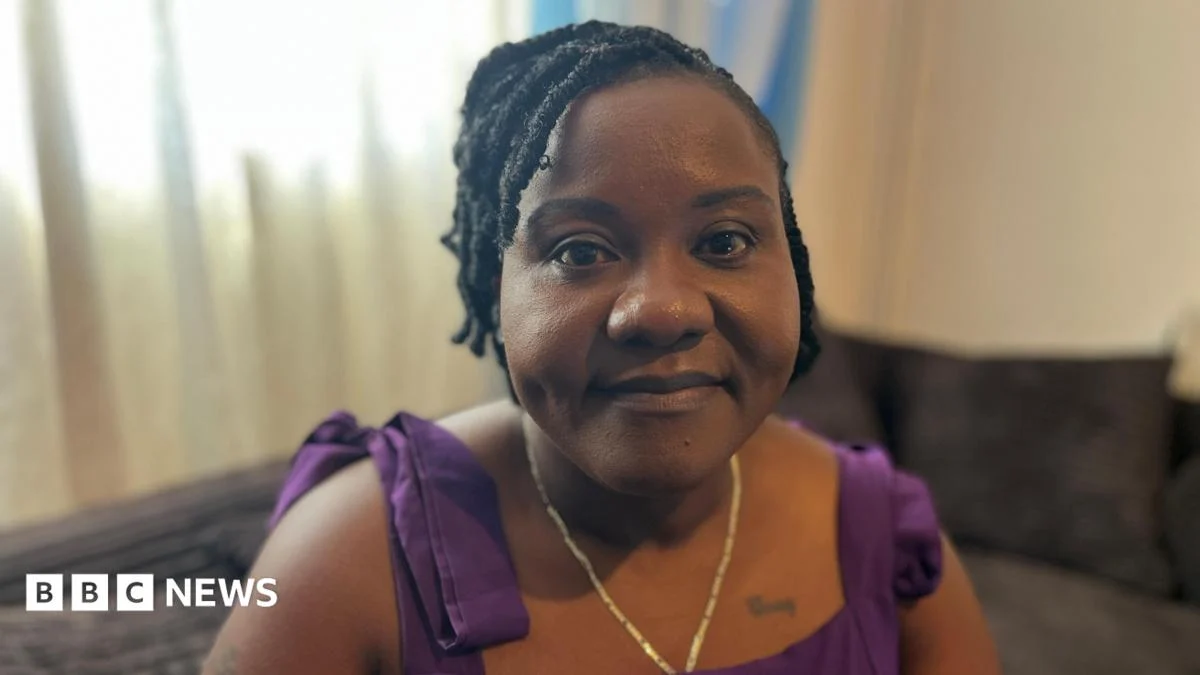
Jessica Lewis, a 25-year-old from Broadstairs, vividly articulates the profound impact of this invisible illness on her daily existence. Diagnosed only two years ago after a decade of suffering, she describes her pain as "excruciating." "There have been times that I have literally collapsed on my way home from work because I am in agony," Lewis recounted, underscoring the severity that goes far beyond typical menstrual discomfort. This level of pain infiltrates every facet of life, dictating plans, social engagements, and even professional capacity. "It affects every single thing I do day to day, the plans I make," she stated, adding, "It is just really sad because I feel like a lot of the things I used to really look forward to I would now dread." This sentiment captures the insidious erosion of joy and spontaneity that chronic pain inflicts, transforming anticipated pleasures into sources of anxiety and potential physical anguish.
Lewis’s arduous journey to diagnosis is tragically common. According to her NHS notes, she visited medical professionals 22 times before finally receiving a definitive diagnosis following surgery in 2024. The average diagnostic delay for endometriosis is a staggering 7 to 10 years, a period during which patients often endure escalating pain, misdiagnoses, and psychological distress. This delay can be attributed to several factors: the wide range of symptoms that mimic other conditions like irritable bowel syndrome (IBS) or pelvic inflammatory disease; a societal tendency to normalize severe menstrual pain, often dismissing it as "just part of being a woman"; and a critical lack of specific training for primary care physicians in recognizing and investigating endometriosis symptoms effectively. Without adequate knowledge, general practitioners may not consider endometriosis as a primary differential diagnosis, leading to protracted referrals, multiple ineffective treatments, and a perpetuation of suffering. The definitive diagnosis of endometriosis often requires laparoscopic surgery, a minimally invasive procedure where a surgeon examines the pelvic organs and takes biopsies for confirmation. This invasive diagnostic pathway further contributes to delays, as patients must first navigate a labyrinth of non-definitive tests and specialist consultations.
The implications of such prolonged diagnostic delays extend far beyond individual suffering. The chronic inflammation and lesion growth can progress unchecked, potentially leading to more extensive disease, greater organ involvement, and increased complexity of future treatment. The economic burden of endometriosis is also substantial, with studies indicating significant costs related to healthcare utilization, lost productivity, and reduced quality of life. Jessica Lewis’s plea for systemic change within the NHS, specifically advocating for improved training for medical professionals and increased funding, resonates deeply within the endometriosis community. A paradigm shift is needed in how women’s pain is perceived and investigated, moving away from dismissive attitudes towards a proactive, evidence-based approach that prioritizes early detection and comprehensive management.
Beyond the critical need for improved diagnosis and medical treatment, the emotional and psychological toll of endometriosis necessitates robust support systems. This is where the vision championed by local advocate Hansen, and supported by local MP Tristan Osborne, becomes particularly pertinent. Hansen advocates for a local wellbeing hub that would include a safe space for sharing experiences, alongside a fitness centre. This holistic approach recognizes that managing a chronic condition like endometriosis requires more than just medical intervention; it demands psychological support, community connection, and opportunities for physical activity tailored to individual needs. A safe space for sharing experiences can combat the isolation often felt by those with chronic pain, fostering peer support and a sense of understanding that is invaluable. Furthermore, gentle, consistent physical activity, often overlooked in chronic pain management, can play a crucial role in pain modulation, mood regulation, and maintaining overall physical function.
Tristan Osborne, the Member of Parliament for Chatham and Aylesford, has publicly expressed his strong support for Hansen’s initiative. "We have wellbeing hubs already – I think having one dedicated to women’s and girls’ issues is not only sensible, it is also appropriate," Osborne stated. His commitment to working with Medway and Tonbridge and Malling councils to establish similar provisions highlights the vital role of political advocacy in translating community needs into tangible healthcare resources. Local political engagement is essential for securing funding, allocating space, and integrating such hubs into existing health and social care frameworks. Dedicated women’s and girls’ hubs acknowledge the specific health challenges faced by this demographic, providing targeted support that is often lacking in more general services.
The calls for increased funding, championed by both Lewis and Hansen, extend beyond diagnostic pathways to encompass research and the development of new treatments. Despite its prevalence, endometriosis remains significantly underfunded in research compared to other conditions affecting similar numbers of people. This disparity contributes to a lack of understanding regarding the disease’s origins, progression, and ultimately, a cure. Investment in research is crucial for identifying biomarkers for non-invasive diagnosis, developing more effective and less invasive treatments, and ultimately finding a cure that can alleviate suffering for millions.
National organizations, such as Endometriosis UK, have long campaigned for these very changes, advocating for improved GP training, faster access to specialist care, and increased research funding. Their efforts, combined with the powerful personal testimonies of individuals like Jessica Lewis, are slowly shifting the narrative around endometriosis, bringing it out of the shadows and into the mainstream public health discourse. Public awareness campaigns are also vital, empowering individuals to recognize symptoms, seek medical advice, and advocate for themselves effectively within the healthcare system.
The future of endometriosis care hinges on a multifaceted approach that addresses the entirety of the patient experience. This includes systemic reforms within medical education to ensure all healthcare professionals are equipped to recognize and respond to endometriosis symptoms; increased government and charitable funding for both research and specialist services; the establishment of accessible, multidisciplinary care teams; and the widespread provision of holistic support systems like wellbeing hubs. By listening to the voices of those directly affected, such as Jessica Lewis, and leveraging political will, as demonstrated by Tristan Osborne, it is possible to forge a path towards a future where an endometriosis diagnosis is not a decade-long battle but a timely intervention that leads to effective management and a restored quality of life. The time for change is now, to ensure that no one else has to dread the plans they once looked forward to, simply because of a condition that, with the right care, can be managed, understood, and eventually, overcome.
