
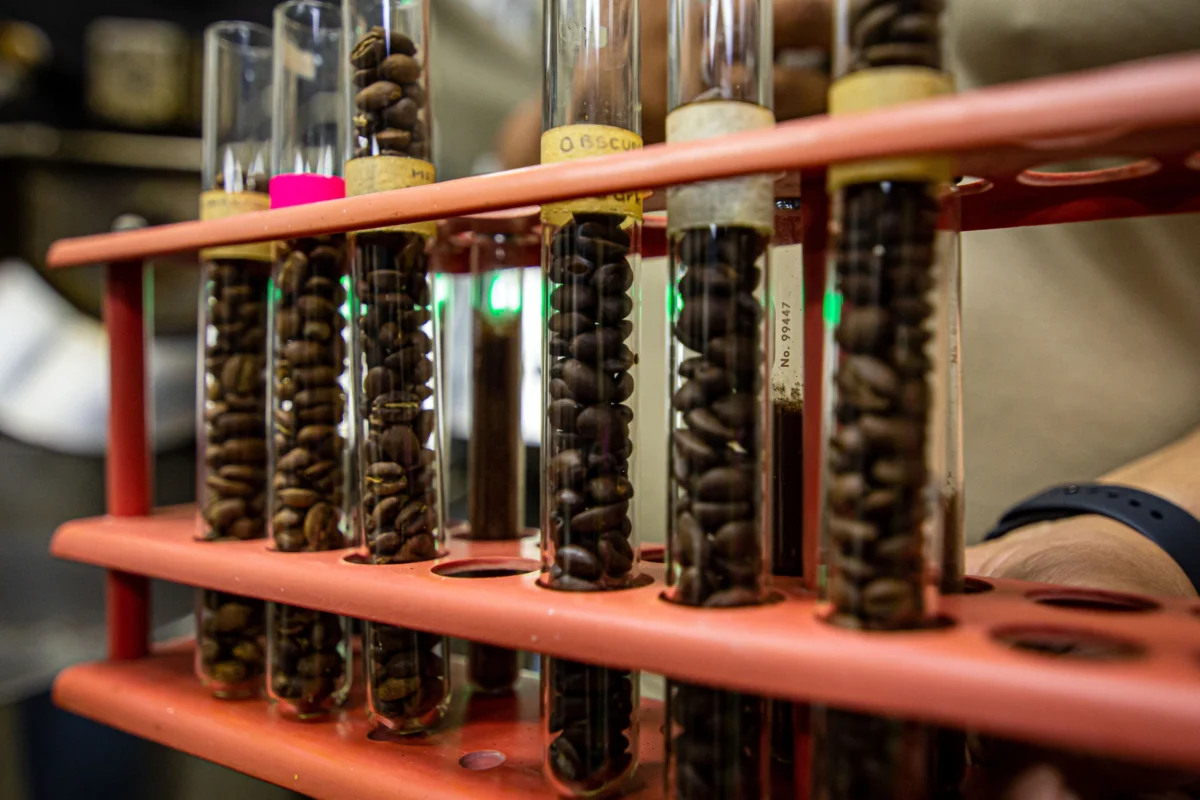
"New research from Texas A&M University reveals that compounds in coffee activate NR4A1, a cellular defense receptor crucial for fighting stress, inflammation, and age-related damage, offering a scientific explanation for coffee’s association with increased longevity and reduced chronic disease risk."
Groundbreaking research conducted by scientists at Texas A&M University has illuminated a significant biological mechanism that may finally bridge the gap between population studies linking coffee consumption to a longer, healthier life and the underlying cellular processes. The study, published in the journal Nutrients, pinpoints specific compounds within brewed coffee that activate a critical receptor known as NR4A1. This receptor acts as an intrinsic cellular defense system, playing a vital role in protecting the body against the ravages of stress, inflammation, and the cumulative damage associated with aging. This discovery provides a compelling, scientifically grounded explanation for the consistent epidemiological findings that have, for years, associated moderate coffee intake with a reduced risk of various chronic diseases and increased lifespan.
The research, spearheaded by Dr. Stephen Safe and his team at Texas A&M’s College of Veterinary Medicine and Biomedical Sciences, was recently highlighted by ScienceDaily on July 19, 2026. It represents one of the first direct scientific connections drawn between the complex array of compounds found in coffee and the NR4A1 receptor. NR4A1, a subject of increasing interest in longevity and disease research, is known to have a declining activity with age. Animal studies have strongly suggested its significant involvement in tissue protection and extending lifespan, making this new link to a universally consumed beverage particularly noteworthy.
The Significance of the NR4A1 Pathway
Coffee stands as one of the most popular beverages globally, enjoyed daily by millions. Its widespread consumption has been consistently correlated in numerous population studies with a lower incidence of serious health conditions, including type 2 diabetes, certain types of cancer, Parkinson’s disease, liver disease, and a general reduction in all-cause mortality. However, the precise biological underpinnings of these observed health benefits have remained somewhat elusive. While caffeine has often been the primary focus of scientific inquiry, the contributions of the dozens of other bioactive compounds present in coffee have been largely overlooked.
The identification of the NR4A1 pathway by the Texas A&M researchers offers a crucial mechanistic link that could explain a substantial portion of these observed health associations. This finding is particularly relevant to the observation that decaffeinated coffee often exhibits similar health benefits to its caffeinated counterpart. If the beneficial compounds are primarily polyphenols rather than caffeine, this pattern becomes far more biologically plausible and scientifically coherent. This suggests that the health-promoting properties of coffee are not solely dependent on its stimulant effects but rather on a broader spectrum of its chemical constituents.
Understanding the NR4A1 Receptor: A Cellular Guardian
NR4A1, also known scientifically as Nur77, belongs to a class of proteins called orphan nuclear receptors. These receptors are integral components of our cells, residing within the cell and exerting their influence by regulating gene activity in response to various cellular signals, including stress, damage, and other environmental cues. In essence, NR4A1 functions as a sophisticated damage-response switch. When cells or tissues experience injury or significant stress, NR4A1 is activated, initiating a cascade of events designed to mitigate the damage and promote repair.
Dr. Safe eloquently described its function: "If you damage almost any tissue, NR4A1 responds to bring that damage down," he explained, as quoted by ScienceDaily. "If you take that receptor away, the damage is worse." This highlights the critical protective role of NR4A1 in maintaining cellular and tissue integrity.
Further underscoring its importance, animal research has provided compelling evidence. Mice genetically engineered to lack the NR4A1 receptor exhibit significantly more severe organ injuries when subjected to stress. Conversely, animals possessing a functional NR4A1 receptor demonstrate a greater capacity to withstand damage and tend to live longer. Crucially, studies in humans have revealed that NR4A1 expression naturally declines with advancing age. This means that one of the body’s most vital cellular defense mechanisms becomes less potent precisely when the cumulative burden of biological stress is at its peak, making interventions that can boost its activity particularly valuable.
The Coffee Connection: Empirical Evidence
The Texas A&M research team conducted rigorous laboratory experiments using coffee extracts derived from beans sourced from Colombia and Guatemala. These extracts were prepared using methods that accurately reflect common, everyday brewing techniques. Their findings demonstrated that these coffee extracts were capable of binding to and activating the NR4A1 receptor in various cell models. To further pinpoint the active agents, the researchers then tested individual coffee compounds. Several compounds exhibited clear binding activity with NR4A1, including:
- Caffeic acid
- Cafestol
- Kahweol
- Ferulic acid
- Chlorogenic acid
The significance of the final finding cannot be overstated: the primary drivers of coffee’s interaction with the NR4A1 receptor appear to be polyphenols, a class of plant-based compounds, rather than caffeine. This insight provides a strong rationale for why decaffeinated coffee might share many of the health benefits associated with regular coffee. Furthermore, the researchers extended their investigation to cancer cell lines that rely on NR4A1 for their growth and proliferation. They observed that coffee extracts effectively slowed the growth of these cancer cells, a result consistent with NR4A1’s known role in cancer biology and its potential as a target for anti-cancer therapies.
Current Standing and Future Directions of the Research
It is essential to contextualize this research within the scientific landscape. This study represents fundamental mechanistic cell-biology research, conducted through laboratory experiments using cell lines. It is not a clinical trial or a direct study involving human participants. However, the findings are highly valuable as they establish a plausible biological pathway through which coffee compounds can interact with a cellular defense system that has documented relevance to both aging processes and disease development. It is crucial to emphasize that these findings do not definitively prove that drinking coffee slows aging in humans, prevents cancer, or directly extends life expectancy. Such conclusions are derived from large-scale population epidemiological studies, which observe correlations, whereas this research delves into the ‘how’ at a molecular level.
Dr. Safe acknowledged the ongoing nature of the investigation, stating, "There’s still a lot of work to be done. We’ve made the connection, but we need to better understand how important that connection is." The researchers have explicitly stated that their findings do not alter current recommendations regarding coffee consumption. Looking ahead, the team is actively exploring whether synthetic compounds that can activate NR4A1 more potently than coffee itself could be developed as novel therapeutic agents for conditions such as cancer and other age-related diseases.
Expert Perspectives on the Findings
"Coffee has well-known health-promoting properties," stated Dr. Safe in a press release from Texas A&M. "What we’ve shown is that some of those effects may be linked to how coffee compounds interact with this receptor, which is involved in protecting the body from stress-induced damage." This research provides a concrete molecular mechanism that aligns with the observed health benefits of coffee.
As ScienceAlert noted in its coverage of the study, coffee’s impact on health is multifaceted and likely involves several interconnected biological pathways. Beyond its interaction with NR4A1, coffee is known to directly inhibit certain enzymes, modulate immune responses, and influence the composition of the gut microbiome. Therefore, the NR4A1 pathway is probably one of several mechanisms contributing to coffee’s overall health profile. The researchers also rightly point out that individual responses to coffee can vary, meaning that no single mechanism or study can provide a personalized dietary recommendation.
The question of whether decaffeinated coffee offers similar NR4A1-activating benefits is a natural one, and based on this research, the answer appears to be a resounding yes. The key compounds identified as having the strongest NR4A1 binding activity – caffeic acid, chlorogenic acid, and ferulic acid – are present in significant amounts in both caffeinated and decaffeinated coffee varieties, as the decaffeination process primarily targets caffeine.
Evidence Summary: What the Research Shows and What It Doesn’t
-
What the Evidence Shows:
- Compounds in brewed coffee, particularly polyphenols, activate the NR4A1 receptor.
- NR4A1 acts as an internal cellular defense system against stress, inflammation, and age-related damage.
- NR4A1 activity declines with age, potentially making individuals more vulnerable to cellular damage.
- Animal studies suggest NR4A1 plays a role in tissue protection and longevity.
- Coffee extracts reduced the proliferation of cancer cells dependent on NR4A1.
- The findings offer a potential mechanistic explanation for observed health benefits of coffee.
-
What the Evidence Does Not Show:
- Direct proof that drinking coffee slows human aging or extends lifespan.
- A recommendation to increase coffee consumption for health benefits.
- Evidence that NR4A1 activation by coffee is the sole or primary driver of its health associations.
- Clinical efficacy of coffee compounds as treatments for specific diseases.
Implications for Researchers and the General Public
For the scientific community, this mechanistic finding is of considerable interest to researchers specializing in aging biology, the molecular pathways of NR4A1, and the complex phytochemistry of coffee. For the general reader, this study provides a scientifically validated reason to understand why the repeatedly observed health benefits of coffee might not be solely attributable to caffeine. This has practical implications for how we view the role of different compounds in food and beverages in promoting health. It shifts the focus from a single ingredient to the synergistic effects of a complex matrix of bioactive molecules. This understanding encourages a more holistic approach to dietary health, recognizing that many foods and drinks offer benefits through multiple biological pathways.
Conditions Potentially Influenced by NR4A1 Activity
While NR4A1 is not currently a direct therapeutic target with established clinical applications, its known biological functions connect it to several disease processes that are of significant interest to the public. The receptor’s role in modulating inflammatory responses and cellular stress makes it relevant to:
- Inflammatory Diseases: Conditions characterized by chronic inflammation, such as arthritis, inflammatory bowel disease, and neuroinflammatory disorders.
- Metabolic Disorders: Including obesity and type 2 diabetes, where cellular stress and insulin resistance play key roles.
- Neurodegenerative Diseases: Such as Alzheimer’s and Parkinson’s disease, where neuronal damage and inflammation are central pathological features.
- Cardiovascular Disease: Where processes like endothelial dysfunction and atherosclerosis are influenced by inflammation and cellular stress.
- Cancer: As indicated by the study’s findings, NR4A1’s influence on cell proliferation and survival makes it relevant to cancer biology and potentially cancer prevention or treatment.
These connections are precisely why researchers are actively investigating synthetic NR4A1 activators as potential drug candidates. However, it is critical to reiterate that these findings do not endorse the consumption of coffee as a medicinal treatment.
Practical Takeaways for Consumers
- Enjoy Coffee in Moderation: The research does not advocate for increased coffee intake. Existing guidelines on moderate coffee consumption (typically up to 3-4 cups per day for most adults) remain relevant.
- Consider Decaf: If you are sensitive to caffeine or prefer to avoid it, decaffeinated coffee may offer similar benefits related to NR4A1 activation.
- Focus on Overall Diet: Coffee is just one component of a healthy lifestyle. A balanced diet rich in fruits, vegetables, whole grains, and lean proteins, combined with regular physical activity and adequate sleep, remains paramount for long-term health.
- Stay Informed: As research into NR4A1 and its role in health and disease progresses, stay updated on scientific developments.
Cost and Accessibility of Coffee
Coffee is one of the most affordable and widely accessible beverages worldwide, making its potential health benefits broadly attainable. The current research has no direct consumer cost implications. Should synthetic NR4A1-targeted therapies emerge from this research, they would undergo the rigorous FDA drug approval process and would likely be years away from clinical availability, with associated costs determined by their development and market introduction.
The Path Forward in NR4A1 Research
The Texas A&M team is actively pursuing the development of synthetic compounds that can activate NR4A1 with greater selectivity and potency than coffee components. The ultimate goal is to explore their potential therapeutic applications, particularly in the fields of cancer treatment and other diseases where cellular defense mechanisms are compromised. This is an early-stage drug discovery effort, and any clinical applications are not expected in the immediate future. MedicalDaily will continue to monitor and report on significant advancements in NR4A1-targeted drug development as they progress towards human trials.
Conclusion: A Deeper Understanding of Coffee’s Health Endowment
In summary, researchers at Texas A&M University have made a significant breakthrough by identifying that specific compounds within coffee, notably polyphenols such as caffeic acid and cafestol, effectively activate the NR4A1 receptor. This receptor plays a crucial role in cellular defense, protecting cells from stress and damage, and its activity naturally diminishes with age. This discovery adds a vital mechanistic layer to the long-observed population-level associations between coffee consumption and various health benefits. While this research does not definitively prove that coffee slows human aging or extends life expectancy, nor does it alter current health guidance, it provides a compelling scientific basis for understanding the biological pathways involved. It firmly establishes the NR4A1 pathway as a legitimate and exciting focus for future aging research and the development of novel therapeutic strategies.
