
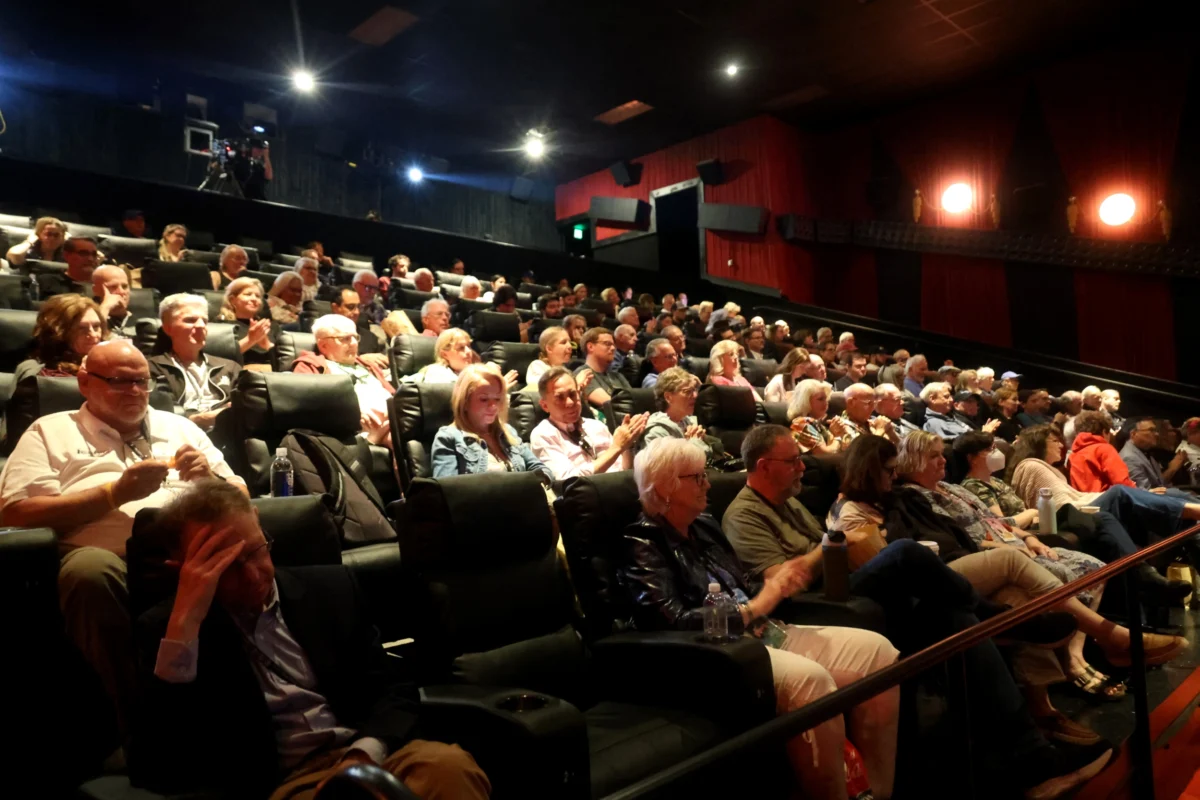
"Regular participation in cultural activities like theater, museums, and concerts is associated with a measurable decrease in physiological age, suggesting that engaging with the arts may be a significant factor in healthy aging."
New research published in the Journal of Epidemiology and Community Health on July 14, 2026, reveals a compelling link between consistent engagement in cultural activities and a demonstrably younger physiological age in older adults. The study, which analyzed data from nearly 2,000 adults aged 50 and above in England, found that individuals who regularly attended theaters, museums, cinemas, and concerts exhibited a physiological age approximately three years lower than their less culturally engaged peers. This significant difference remained robust even after researchers employed advanced statistical techniques to account for lifestyle factors and stable personal characteristics, underscoring the potential health benefits of cultural participation.
The findings stem from the comprehensive English Longitudinal Study of Ageing (ELSA), a long-term, nationally representative cohort that has been meticulously tracking the health and lifestyle trajectories of older adults in England for years. Researchers at the Institute of Science Tokyo led this specific investigation, utilizing ELSA data to examine the intricate relationship between cultural engagement and biological aging. The study’s examination of 1,899 participants, who underwent repeated health and lifestyle assessments, provides a rich dataset for understanding the multifaceted nature of aging.
Understanding Biological vs. Chronological Age
It is crucial to differentiate between chronological age, the simple passage of time since birth, and biological or physiological age. While chronological age is a fixed metric, biological age reflects the functional state of an individual’s body systems. Two people of the same chronological age can exhibit vastly different levels of physical and cognitive vitality, influenced by a complex interplay of genetics, lifestyle choices, and accumulated life experiences. Physiological age, measured through a suite of biomarkers spanning multiple organ systems, is increasingly recognized as a more accurate predictor of an individual’s health trajectory and potential for disease than calendar age alone. This research highlights that what we do with our time, particularly activities that are cognitively, socially, and emotionally stimulating, can have a tangible impact on how our bodies age. Cultural pursuits, often not considered traditional health interventions, are now being positioned as potentially powerful tools in promoting healthy aging.
Methodology and Key Findings
The study meticulously gathered data by asking participants to report the frequency of their visits to cinemas, museums, art galleries, theaters, concerts, and operas. Each activity was assigned a score from 0 (never) to 5 (twice a month or more), culminating in an overall cultural participation index ranging from 0 to 15. Concurrently, physiological age was calculated using ten distinct physical measurements across five critical body systems: cardiovascular, pulmonary, hematological, metabolic, and musculoskeletal. This multimarker composite, derived from standard clinical assessments, provides a comprehensive estimate of functional wear-and-tear across the body, offering a robust measure of biological aging.
The core findings revealed a striking disparity: adults with high levels of cultural engagement, defined as participating in some form of cultural activity at least every few months, had an average physiological age of 66.9 years. In contrast, those with low cultural engagement averaged a physiological age of 69.9 years, a difference of precisely three years. The research further indicated that for every one-point increase on the cultural engagement score, there was an associated reduction of approximately 0.085 years in physiological age, even after accounting for confounding variables. These associations were not merely cross-sectional; they held true across four-year and eight-year follow-up periods. Notably, the pace of biological aging over four years was also observed to be slower among participants with higher levels of cultural engagement.
To mitigate potential biases, the researchers employed a fixed-effects statistical analysis. This sophisticated technique controls for stable individual characteristics that remain constant over time, such as genetic predispositions, early life circumstances, and inherent personality traits. By accounting for these enduring factors, the analysis significantly reduces the likelihood that the observed association between cultural engagement and slower aging is due to pre-existing differences in individuals rather than a direct effect of the cultural activities themselves.
Geographic and Socioeconomic Considerations
The study’s reliance on the English Longitudinal Study of Ageing means its findings are primarily drawn from a Western, predominantly English-speaking older adult population. The researchers acknowledge that the generalizability of these results to culturally diverse settings or populations with differing levels of access to cultural institutions remains an open question. Furthermore, the study identified certain demographic patterns among those with higher cultural engagement. These individuals were more likely to be women, possess higher socioeconomic status, be engaged in paid employment, and report better baseline health conditions. While the fixed-effects analysis helps to control for some of these factors, the possibility of reverse causation—where healthier individuals are simply more inclined and able to participate in cultural events—remains a consideration.
Potential Mechanisms of Action
Dr. Yusuke Matsuyama of the Institute of Science Tokyo, the study’s corresponding author, along with colleagues Sakura Kiuchi and Jun Aida, proposed several plausible pathways through which cultural engagement might exert its beneficial effects on biological aging. These include the strengthening of social ties fostered by shared cultural experiences, improvements in mental well-being through emotionally engaging artistic content, the adoption of healthier behaviors often associated with active participation in cultural life, and cognitive stimulation derived from exposure to art, narrative, and music.
The authors cautiously suggest that the impact of cultural engagement may be "comparable in impact to frequent physical activity." This comparison is made in terms of effect size within the context of similar analytical frameworks used in exercise studies. They are not asserting that cultural engagement can replace exercise but rather that the magnitude of the observed physiological age association is in a similar range to findings from studies on physical activity. Dr. Thi-Thuy-Linh Trinh, a lead researcher, emphasized that while the study was observational and cannot definitively prove direct causation, the consistency of the findings over time makes cultural engagement a promising avenue for broader healthy-aging strategies. She also highlighted the need for further research to explore the impact of different types and frequencies of cultural activities on biological age across diverse populations.
Broader Implications and Expert Perspectives
The research adds to a growing body of evidence suggesting that how individuals spend their time, particularly engaging in activities that are mentally, socially, and emotionally enriching, can have a measurable impact on the aging process. Cultural activities, in this context, may be functioning as informal health interventions, contributing to a more robust and resilient aging experience. Experts suggest that the benefits observed likely stem from a synergistic combination of factors. The cognitive demands of appreciating art, music, or performance can help maintain neural plasticity and cognitive function. The social aspect of attending events with others can combat loneliness and isolation, critical factors in the well-being of older adults. Furthermore, the emotional resonance of cultural experiences can contribute to stress reduction and improved mood, both of which are linked to better physical health.
Addressing Cost and Access
While the benefits of cultural engagement are becoming clearer, issues of cost and access remain significant considerations. Participation in cultural activities can vary considerably based on geographic location and socioeconomic status. Major metropolitan areas often offer a wealth of free or low-cost options, including free museum days, library pass programs, and community theater productions. However, individuals in rural areas may face greater challenges in accessing such opportunities. National and state arts organizations, such as the National Endowment for the Arts and various state arts councils, play a vital role in supporting community arts programs that aim to improve access in underserved communities. Many prominent art museums also provide free general admission on certain days or for specific demographic groups, making cultural experiences more attainable.
Future Directions and Conclusion
The research team has expressed a strong interest in delving deeper into the specific mechanisms that underpin the observed association between cultural engagement and slower biological aging. Future research will also focus on studying the effects in more diverse populations. A critical next step will be to design and conduct intervention trials. These studies would aim to actively increase cultural engagement among older adults and then measure whether these interventions lead to measurable biological improvements, thereby moving from association to establishing potential causation. MedicalDaily will continue to monitor and report on advancements in this area.
In conclusion, the longitudinal study involving 1,899 older adults in England provides compelling evidence that regular engagement in cultural activities—attending cinema, museums, theaters, and concerts—is associated with a physiological age approximately three years lower than that of individuals who rarely participate. This effect remained consistent across multiple follow-up periods. While the observational nature of the study precludes definitive claims of causation, and acknowledges that healthier individuals may be more likely to engage in cultural pursuits, the robust and persistent association suggests that cultural participation is a valuable component of a comprehensive healthy-aging strategy. Alongside established pillars such as physical activity, a balanced diet, adequate sleep, and strong social connections, embracing cultural engagement offers a promising avenue for promoting vitality and well-being in later life.
