
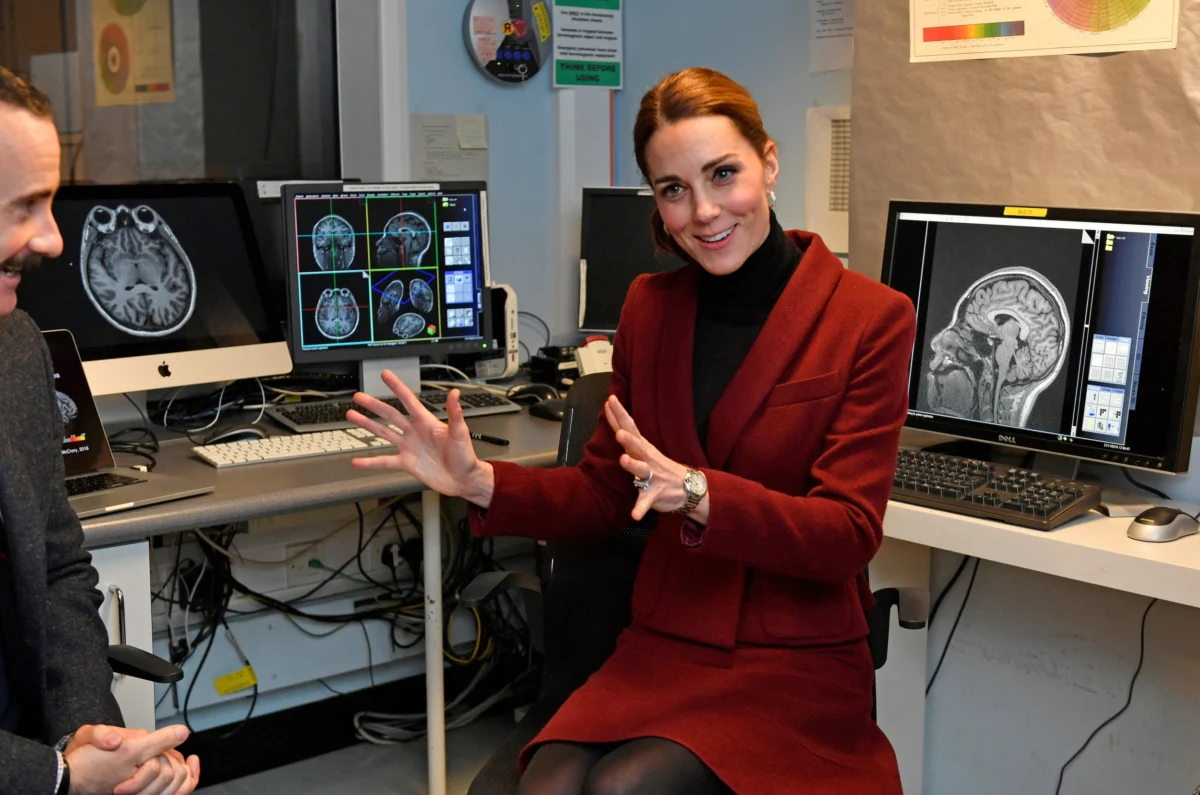
"It’s a stark reminder that the effects of cancer treatment extend far beyond the physical, impacting the very way we think and process the world. The Princess’s candor offers a vital lifeline of understanding and validation for countless individuals navigating the often-invisible terrain of ‘chemo brain’."
Kate Middleton, the Princess of Wales, has recently offered a deeply personal and unexpectedly candid insight into one of the most challenging and often overlooked side effects of her cancer treatment: the cognitive impairment commonly referred to as "chemo fog" or "chemo brain." During a visit to The Christie NHS Foundation Trust in Manchester, a leading cancer treatment center, the Princess shared her personal struggle with reading and maintaining focus during chemotherapy. Her remarks have not only resonated with fellow patients and healthcare professionals but have also brought renewed attention to the profound and lasting mental and emotional toll that cancer treatment can exact, even after the active therapy has concluded. This disclosure highlights a critical aspect of the cancer recovery journey that is frequently less visible than physical symptoms but can be equally, if not more, debilitating for those affected.
The Princess of Wales’s courageous sharing of her experience with "chemo fog" during a visit to patients at The Christie NHS Foundation Trust has illuminated a significant and often underestimated aspect of cancer treatment recovery. She articulated how the cognitive difficulties associated with chemotherapy made even simple activities challenging. "I don’t know about you, but I didn’t have the ability to read or really focus on anything," she confided to fellow patients, a statement that has undoubtedly struck a chord with many who have endured similar experiences. This inability to concentrate and engage with familiar activities can be profoundly disorienting and isolating, impacting not only daily life but also a person’s sense of self and their ability to find comfort and distraction.
In stark contrast to her previous ability to engage with complex information and literature, Kate revealed that she found an unexpected source of solace and mental engagement in the seemingly simple act of coloring. This hobby provided a much-needed outlet for creativity without the pressure of producing a tangible, finished product, a concept that can be overwhelming for someone experiencing cognitive impairment. "Coloring… was my way of exploring interesting things and being able to do something that did not require an end product, or an end finished piece," she explained. This creative respite allowed her to maintain a sense of agency and engagement during a period of significant vulnerability. As the Princess continues her journey of remission, her increasing willingness to discuss the realities of recovery underscores the fact that the impact of cancer treatment extends far beyond the completion of chemotherapy. Her openness is being widely lauded by patient advocacy groups and individuals alike, as it helps to normalize conversations around the less visible, yet equally impactful, side effects of cancer treatment.
"Chemo fog," also formally recognized as cancer-related cognitive impairment (CRCI), is a complex neurological phenomenon that can manifest during or after cancer treatment. While chemotherapy is a primary culprit, leading medical institutions like the Mayo Clinic and Cleveland Clinic indicate that a confluence of factors likely contributes to its development. These can include the cancer itself, radiation therapy, certain hormonal treatments, the medications used in treatment regimens, as well as systemic factors such as fatigue, disrupted sleep patterns, heightened stress, anxiety, and depression. The interplay of these elements can create a cascade of cognitive disturbances that affect a patient’s ability to think clearly, remember information, and process thoughts effectively.
The symptoms associated with chemo fog are highly variable, both in their presentation and their duration. Individuals may experience a range of difficulties, including problems with short-term memory, impaired concentration and attention span, slower processing of information, difficulties with word-finding, and challenges with executive functions such as planning and organization. Some individuals report mild, transient changes that resolve relatively quickly, while others continue to experience persistent cognitive deficits that can last for months or even years following the cessation of treatment. This variability underscores the need for personalized assessment and management strategies, as what might be a minor inconvenience for one person could be a significant impediment to daily functioning for another.
The diagnosis of chemo fog is typically not reliant on a single definitive test. Instead, healthcare providers often arrive at a diagnosis through a comprehensive evaluation that includes a detailed medical history, a thorough review of the patient’s treatment regimen, and a careful assessment of their cognitive symptoms. This often involves direct questioning about memory, concentration, and problem-solving abilities, as well as ruling out other potential causes for these cognitive changes, such as thyroid dysfunction, vitamin deficiencies, or other neurological conditions. Neuropsychological testing may also be employed in some cases to objectively measure cognitive abilities and identify specific areas of impairment.
Currently, there is no specific pharmacological cure for chemo fog. However, many patients experience significant improvement over time, and various management strategies can help alleviate symptoms and improve quality of life. Medical professionals often recommend a multi-faceted approach that includes optimizing sleep hygiene, managing stress through relaxation techniques and mindfulness, and engaging in regular physical activity, which has been shown to have positive effects on cognitive function. Cognitive rehabilitation therapy, which involves targeted exercises and strategies to improve memory, attention, and problem-solving skills, can also be highly beneficial. Furthermore, the development of coping mechanisms, such as using memory aids like planners and to-do lists, breaking down complex tasks into smaller steps, and seeking emotional support, are crucial components of managing this condition. The Princess’s experience with coloring highlights the value of engaging in creative hobbies as a means of mental stimulation and stress reduction, a strategy that can be particularly helpful for maintaining cognitive engagement without the pressure of demanding cognitive tasks.
The Princess of Wales’s candidness about her struggles with concentration and her discovery of coloring as a coping mechanism serves as a powerful reminder that the impact of cancer treatment extends far beyond the commonly recognized physical manifestations such as hair loss, nausea, and fatigue. Cognitive changes can be profoundly disruptive, affecting an individual’s ability to return to work, manage family responsibilities, and navigate everyday life long after the active phase of treatment has ended. Her willingness to share these deeply personal challenges helps to validate the experiences of countless patients who may feel alone or misunderstood in their struggles with "chemo brain." This openness reinforces the critical importance of comprehensive cancer care that not only addresses the physical aspects of the disease and its treatment but also prioritizes the emotional and cognitive well-being of survivors.
For the general public, Kate’s story provides a valuable opportunity to deepen understanding of the long-term challenges faced by cancer survivors, fostering greater empathy and support. For individuals currently undergoing chemotherapy or in the midst of recovery, her experience offers reassurance that their cognitive difficulties are common and valid, and that seeking help for these symptoms is as important as managing any physical side effect. The journey of recovery from cancer is often a gradual and complex process, and with appropriate coping strategies, expert medical guidance, and sustained patience, many individuals can regain their confidence and significantly improve their cognitive function, ultimately leading to a more fulfilling life post-treatment.
