
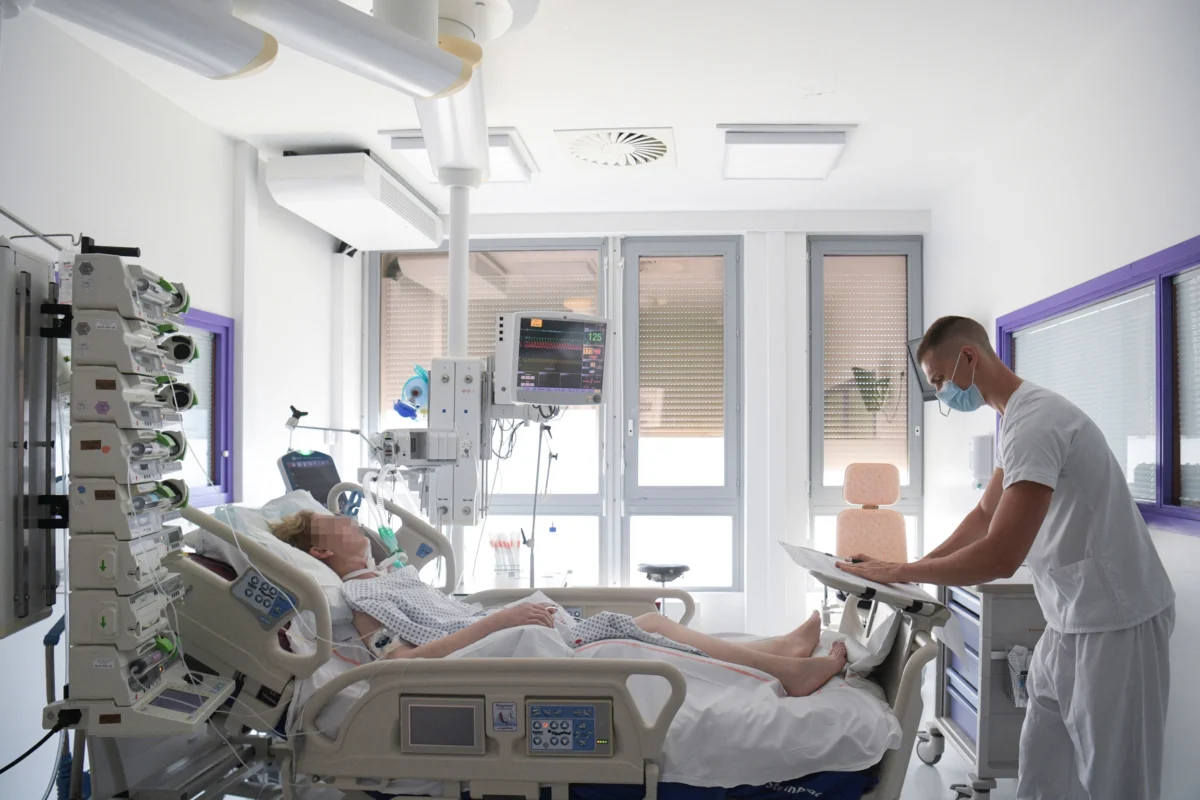
"As nursing shortages intensify, a significant demographic shift is underway, with men increasingly entering the profession, particularly in the Southern United States, driven by robust job prospects and targeted recruitment efforts."
The healthcare system in the United States is grappling with an unprecedented demand for nursing professionals, a situation exacerbated by an aging workforce and a growing patient population. Projections from the Labor Department indicate a persistent need for approximately 189,000 registered nurse (RN) positions annually for the next decade. This critical shortage is manifesting acutely in areas such as understaffed emergency departments and rural hospitals forced to curtail essential services like labor and delivery units. Amidst this pressing need, a notable demographic trend is emerging: a growing influx of men into the nursing profession. Historically perceived as a female-dominated field, nursing’s evolving perception, coupled with strategic outreach by educational institutions and the undeniable appeal of a stable, well-compensated career, is reshaping its gender composition. This shift is not merely a statistical anomaly but a vital development that holds the potential to alleviate workforce pressures and enhance patient care by diversifying the nursing pool.
Nursing, a cornerstone of the American healthcare system, is currently experiencing one of its most significant workforce challenges. The U.S. Bureau of Labor Statistics projects a demand for 189,000 new registered nurses each year for the next ten years, a figure that accounts for both job growth and the retirement of existing nurses. This demand is not uniform; emergency departments are frequently operating with fewer staff than ideal, and rural hospitals are increasingly struggling to maintain vital services such as labor and delivery units, directly impacting access to care for vulnerable populations. The healthcare industry is actively seeking qualified individuals to fill these roles, casting a wide net across various demographic groups.
Historically, nursing has been predominantly a female profession. While men constitute approximately half of the total U.S. workforce, their representation in nursing has remained significantly lower, hovering around 1 in 8 RNs in recent years. This disparity represents more than just an untapped talent pool; it reflects deeply ingrained cultural assumptions that have often pigeonholed nursing as "women’s work." These assumptions have, over time, inadvertently suppressed enrollment numbers, discouraged qualified male candidates from considering nursing as a career, and consequently narrowed the hiring pool for a profession that is experiencing an urgent and growing need for personnel.
However, this traditional ratio is beginning to shift, as highlighted by NPR’s labor and workplace correspondent Andrea Hsu. The proportion of men in nursing is on an upward trajectory, a trend attributed to a confluence of factors. The robust job market conditions, characterized by high demand and competitive compensation, make nursing an attractive career choice. Concurrently, a concerted effort by many nursing schools to actively recruit men is yielding positive results. This strategic recruitment is particularly evident in the Southern United States, a region facing some of the most acute nursing shortages.
One institution at the forefront of this recruitment drive is the University of Alabama at Birmingham (UAB) School of Nursing. Their approach involves a multifaceted strategy designed to attract and retain male students. This includes direct outreach initiatives, the establishment of male peer mentorship programs, and a deliberate effort to reframe nursing not as a subordinate or gender-specific support role, but as a high-skill, well-compensated career path that offers opportunities for leadership within the healthcare sector. This reframing is crucial in dismantling long-standing stereotypes and presenting nursing as a dynamic and rewarding profession for individuals of all genders.
The pathways through which men are discovering and pursuing nursing careers are also diversifying. Male nursing students interviewed in NPR’s report shared that their journeys into the profession often originated from fields such as athletic training, an initial interest in pharmacy, or through healthcare service in the military. These are routes that, historically, may have channeled men away from nursing rather than toward it, underscoring the evolving perceptions and opportunities within the field.
The statistic that approximately 1 in 8 registered nurses is now male represents a significant and sustained increase from earlier decades. In 1970, for instance, roughly 1 in 40 nurses was male. This growth has been a gradual, multi-decade trend, but recent years have witnessed an acceleration, particularly in states experiencing the most rapid expansion in nursing employment opportunities. This acceleration suggests that the factors driving men into nursing are gaining momentum and becoming more widespread.
The growth in the male nursing share is particularly pronounced in the Southern United States. This region is characterized by a confluence of factors that contribute to this trend: a high demand for healthcare professionals, significant nursing shortages, and a proactive approach by educational institutions to recruit a more diverse nursing workforce. The UAB School of Nursing’s enrollment patterns are indicative of a broader demographic shift occurring within the healthcare labor market. As healthcare roles have become increasingly recognized as some of the most stable, well-paying, and benefit-rich employment opportunities available, particularly in the post-pandemic era, more men are re-evaluating career paths that may have previously been subject to gender-based stigmas within their social and professional circles.
The implications of a more gender-diverse nursing workforce extend beyond mere numbers, impacting patient care and outcomes. Research indicates that a nursing workforce that mirrors the demographic diversity of the population it serves, including gender diversity, can lead to improved patient experiences. For male patients, in particular, the presence of male nurses may foster greater comfort and openness when discussing sensitive health concerns. This concordance between patient and provider gender can be instrumental in reducing barriers to disclosure, especially for men navigating chronic disease management, mental health challenges, and preventive care initiatives.
Nursing faculty and administrators emphasize that the core competencies of nursing—clinical judgment, effective interpersonal communication, meticulous attention to detail, and the ability to perform under pressure—are not gender-specific. The historical barriers to men entering nursing have been primarily cultural and representational rather than based on inherent ability or skill. By actively challenging these cultural norms and promoting a more inclusive image of the nursing profession, institutions are unlocking a vital talent pipeline.
The Labor Department’s projection of 189,000 annual RN job openings underscores the urgent need to fill these positions through all available demographic channels. The aging nursing workforce is necessitating a substantial influx of new professionals, while an aging patient population further amplifies the demand for care. Expanding the male nursing workforce is therefore not just a matter of demographic balance but a critical component in closing the existing gap and ensuring the continued provision of high-quality healthcare services.
The widely cited figure of approximately 1 in 8 U.S. registered nurses being male is derived from current workforce data. While the NPR report frames this statistic, it aligns with broader occupational workforce data from sources like the Bureau of Labor Statistics, which consistently show the male RN proportion hovering between 12% and 14% in recent years. Similarly, the assertion that male nursing growth is occurring "fastest in the South" is supported by the geographic focus of NPR’s reporting, particularly on institutions like UAB and other Southern nursing programs. However, it is important to note that this is a directional claim based on reported patterns rather than a formally quantified regional ranking with comprehensive state-by-state enrollment data.
The benefits of increased male representation in nursing are multifaceted. For individuals, it offers access to a stable, in-demand, and financially rewarding career path that was previously less accessible or visible. For the healthcare system, it expands the talent pool, helping to alleviate critical workforce shortages and potentially improving patient care through greater diversity. For patients, especially male patients, it can enhance comfort and communication, leading to better health outcomes. Furthermore, a more diverse nursing workforce can challenge and dismantle outdated gender stereotypes within society, promoting a more equitable understanding of professional roles.
Individuals considering a career in nursing are encouraged to explore the diverse range of specialties and roles available within the profession. Many nursing programs are actively seeking to recruit a diverse student body, and prospective students should investigate institutions that offer robust support systems and mentorship opportunities for men in nursing. For healthcare employers and policymakers, continued investment in targeted recruitment strategies, the promotion of inclusive workplace environments, and the development of retention programs that address the unique needs of male nurses are essential steps.
The ongoing nursing workforce shortage has direct and tangible consequences for patient care. These include longer waiting times in emergency departments, reduced availability of crucial home health nursing services, and diminished capacity for essential preventive and chronic disease management, particularly in underserved communities. Addressing this shortage through the expansion and diversification of the nursing pipeline is therefore not solely a labor market concern but a critical patient safety issue that requires comprehensive attention and proactive solutions.
Looking ahead, institutions like the UAB School of Nursing, which are actively engaged in male recruitment initiatives, are expected to provide valuable data on enrollment trends. The Labor Department will also update its occupational projections with more recent data, offering a clearer picture of future workforce needs. The ultimate trajectory of male nursing representation—whether it reaches proportions like 1 in 5 or higher within the next decade—will depend on the widespread adoption of these inclusive recruitment strategies and the sustained cultural shift in the perception of nursing as a profession accessible and rewarding for all.
In conclusion, the growing presence of men in the nursing profession, with approximately 1 in 8 RNs now identifying as male, signifies a critical and encouraging development. This trend, which is accelerating most rapidly in the Southern United States where nursing shortages are most acute, is propelled by a combination of strong job market fundamentals, intentional recruitment efforts by educational institutions, and a gradual societal re-evaluation of nursing’s professional identity. Given the persistent demand for nurses, projected at 189,000 annually for the next decade, the increasing diversification of this vital workforce, particularly in regions facing the deepest shortfalls, represents a crucial trend that warrants continued attention and support.
