
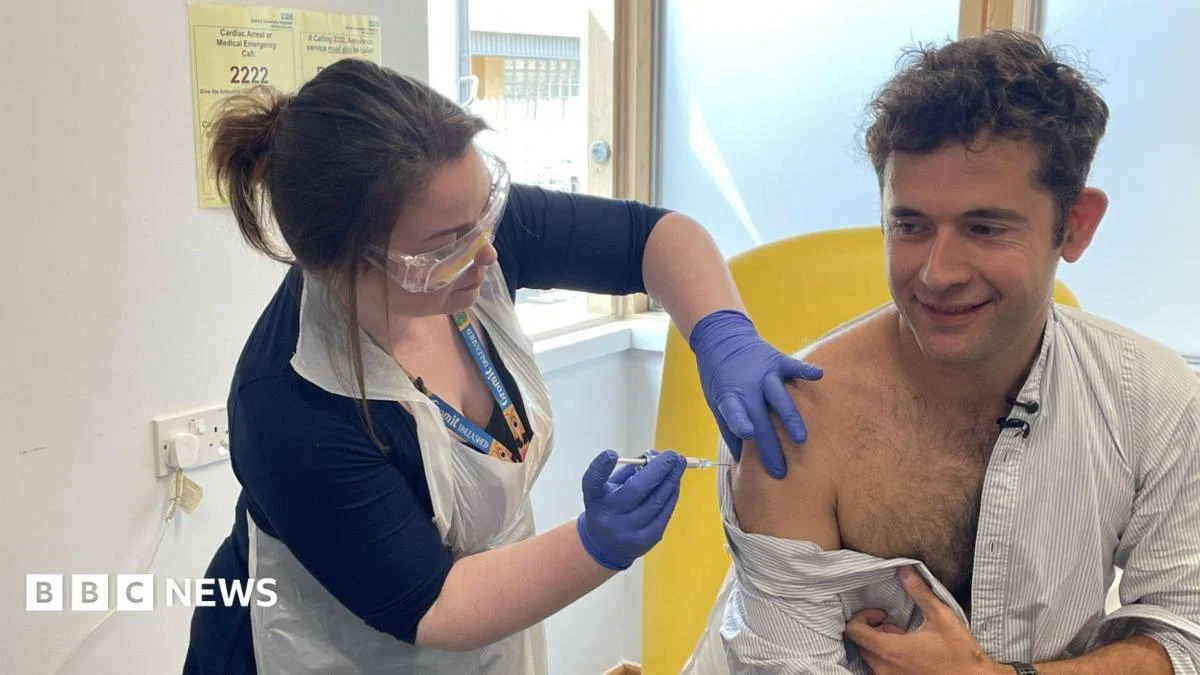
An innovative Ebola vaccine developed by the University of Oxford, targeting the currently untreatable Bundibugyo species, has commenced human trials. This critical step, accelerated by decades of foundational research, offers a beacon of hope against an outbreak that has claimed over a thousand lives in the Democratic Republic of Congo.
The initiation of human clinical trials for a new Ebola vaccine, specifically designed to combat the Bundibugyo species, marks a significant moment in global public health. This development, spearheaded by researchers at the University of Oxford, addresses a critical gap in the fight against Ebola Virus Disease (EVD), as existing licensed vaccines are ineffective against the Bundibugyo strain currently causing a devastating outbreak in the Democratic Republic of Congo (DRC). The rapid progression of this vaccine from research to human trials underscores the power of sustained scientific investment and collaborative international efforts in pandemic preparedness and response.
Professor Teresa Lambe, a leading figure in the Oxford team and previously instrumental in the development of the Ebola vaccine platform, emphasized that the swift advancement of this candidate vaccine is not a sudden breakthrough but rather the culmination of extensive, foundational research spanning decades. This long-term commitment to understanding viral diseases and developing robust vaccine technologies has allowed scientists to rapidly adapt their expertise to emergent threats. The underlying vaccine platform, often based on a modified chimpanzee adenovirus (ChAdOx1, similar to the platform used for the Oxford/AstraZeneca COVID-19 vaccine), provides a well-understood and adaptable framework for presenting viral antigens to the immune system, thereby stimulating a protective response. This pre-existing knowledge significantly shortens the development timeline compared to starting from scratch.
The immediate objective of the ongoing Phase One clinical study is twofold: to rigorously assess the safety profile of the vaccine in human volunteers and to determine its capacity to elicit a robust immune response. This initial phase is paramount for any new medical intervention, ensuring that the vaccine itself does not pose undue risks to recipients. Prof. Lambe categorically stated that participants in the trial would not be exposed to the Ebola virus. Instead, the study focuses on the vaccine’s ability to trigger the body’s natural defenses, looking for specific antibodies and T-cell responses that are indicative of potential protection against the Bundibugyo species of Ebola. A strong and sustained immune response is a crucial prerequisite for advancing to later stages of clinical development, where efficacy – the vaccine’s ability to prevent disease – will be directly evaluated.
Ebola Virus Disease remains one of the most formidable infectious diseases globally, characterized by severe hemorrhagic fever and high fatality rates. It is caused by viruses belonging to the Ebolavirus genus, of which there are several distinct species known to cause human disease. Historically, the Zaire ebolavirus species has been responsible for the largest and most frequent outbreaks, including the devastating West African epidemic of 2014-2016. Significant progress has been made against this strain, with a highly effective licensed vaccine (rVSV-ZEBOV) now available, proving instrumental in controlling Zaire ebolavirus outbreaks.
However, the current outbreak in the Democratic Republic of Congo is driven by the Bundibugyo ebolavirus species. This presents a unique and urgent challenge because the licensed Zaire vaccine offers no protection against Bundibugyo. The genetic and antigenic differences between the species mean that a vaccine developed for one typically does not confer cross-protection against the other. This critical gap has left communities vulnerable and underscored the pressing need for species-specific vaccines. The Oxford vaccine is one of four candidates in development specifically targeting Bundibugyo, but it holds the distinction of being the first to enter human trials, marking a significant leap forward in addressing this unmet medical need.
Following the initial safety and immunogenicity assessments in the ongoing Phase One trial, the Oxford team has outlined plans for subsequent studies. A second, smaller Ebola vaccine trial is slated to commence shortly in Uganda, a country that shares borders with the DRC and has historically faced risks from cross-border disease transmission. This trial will likely further evaluate safety and immune responses in a population closer to the endemic region. Crucially, a larger efficacy study is planned for the Democratic Republic of Congo itself, the epicenter of the current Bundibugyo outbreak. This large-scale trial will be designed to directly determine whether the vaccine can effectively prevent infection or severe disease in people exposed to the virus, a critical step towards regulatory approval and widespread deployment. Conducting such trials in an active outbreak zone presents considerable logistical and ethical challenges, requiring robust community engagement, careful participant monitoring, and rapid data analysis.
In a proactive move to ensure rapid deployment if the trials prove successful, the Serum Institute of India (SII) has already manufactured 600,000 doses of the Oxford Ebola vaccine. The SII, one of the world’s largest vaccine manufacturers, has a proven track record of producing high volumes of vaccines for global health initiatives. This pre-emptive manufacturing decision, often referred to as "at-risk manufacturing," reflects the urgency of the Bundibugyo situation and the confidence in the vaccine platform. It means that should the vaccine demonstrate safety and efficacy, a substantial supply will be immediately available for emergency use, significantly shortening the time between trial success and real-world impact. This strategic foresight is vital in controlling rapidly spreading outbreaks and mitigating their human cost.
The current Ebola outbreak in the Democratic Republic of Congo represents a severe public health crisis. To date, the outbreak has recorded more than 2,500 confirmed cases of Ebola, leading to just over 1,000 deaths. These figures highlight the devastating impact of the Bundibugyo strain and the urgent need for effective interventions. The outbreak has been particularly challenging to control due to a confluence of factors, including ongoing conflict in affected regions, which hinders access for health workers and disrupts public health interventions. Furthermore, community mistrust, misinformation, and the remote nature of many affected areas complicate contact tracing, safe burial practices, and vaccine deployment efforts. The recurrent nature of Ebola outbreaks in the DRC, a country that has experienced more than a dozen outbreaks since the virus was first identified, underscores the need for sustainable public health infrastructure and long-term preparedness strategies.
The development of the Oxford Bundibugyo vaccine, and its rapid progression through trials, exemplifies the evolving landscape of global health security. The ability to quickly pivot research platforms developed for other diseases, or even other strains of the same disease, demonstrates a growing scientific agility. This approach is increasingly vital in a world where new pathogens and variants can emerge rapidly, posing unpredictable threats. The collaborative effort between academic institutions like Oxford, major manufacturing partners like the Serum Institute of India, and the governments of affected nations like Uganda and the DRC, underscores the international cooperation essential for tackling such complex global health challenges. Beyond the immediate crisis, this initiative contributes to the broader goal of pandemic preparedness, building a toolkit of adaptable vaccine technologies that can be deployed against known and emerging threats, including potential "Disease X" scenarios. The hope is that this new vaccine will not only bring an end to the current Bundibugyo outbreak but also lay the groundwork for a more resilient global response to future Ebolavirus epidemics.
