
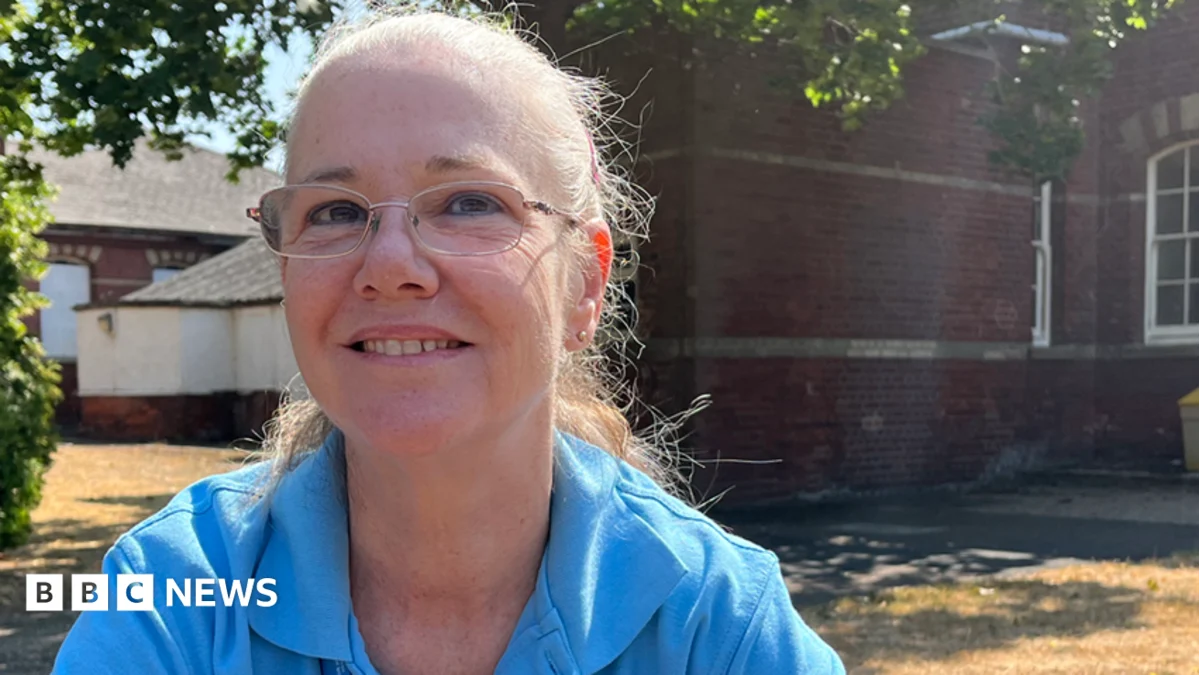
"My experience with PTSD left me desperate at times, battling low moods, nightmares, and a profound sense of self-doubt. It profoundly affects the way your brain thinks, underscoring the vital importance of dedicated mental health support for those who serve."
The harrowing personal journey of Chelley Tulloch, a former RAF medic, vividly illustrates the profound and often invisible toll of military service, particularly the challenges of post-traumatic stress disorder (PTSD). Her story highlights not only the severe impact of war zone deployments on mental well-being but also the growing recognition of the specific needs of female veterans within the broader landscape of military mental health support. As more women take on frontline and demanding roles in the armed forces, understanding and addressing their unique experiences with trauma and recovery becomes an increasingly urgent imperative for both military and civilian health systems.
Chelley Tulloch’s dedication to service led her through multiple deployments to some of the world’s most perilous conflict zones. As an RAF medic, her role was critical and deeply impactful, involving the immediate care and evacuation of injured soldiers from battlefields to medical facilities. Each rescue, each life saved, came with an inherent cost, exposing her to scenes of extreme trauma, suffering, and the raw realities of warfare. These cumulative experiences, a mosaic of high-stress situations, constant vigilance, and the visceral proximity to human vulnerability, eventually manifested as severe PTSD.
Her description of the condition paints a stark picture of its insidious nature. "I just went through a lot of low moods, nightmares, seeing things, hearing things, smelling things, doubting myself, not being able to do things that I could do," Tulloch recounts. These symptoms are classic indicators of PTSD, a complex anxiety disorder that develops in some individuals who have experienced a shocking, scary, or dangerous event. The "seeing things, hearing things, smelling things" points to re-experiencing symptoms, where traumatic events are replayed in vivid flashbacks, nightmares, or intrusive thoughts, often triggered by sensory cues reminiscent of the original trauma. These aren’t merely memories; they are often felt with the same intensity and physiological response as the initial event, plunging the individual back into a state of terror or distress.
The "low moods" and "doubting myself" reflect the pervasive negative alterations in mood and cognition associated with PTSD. Individuals often experience persistent negative emotional states, anhedonia (inability to feel pleasure), distorted beliefs about themselves or the world, and feelings of detachment or estrangement from others. The inability to perform tasks that were once routine speaks to the cognitive and functional impairments that can severely disrupt daily life, affecting work, relationships, and self-care. Tulloch’s poignant observation that "It really does affect the way your brain thinks" resonates deeply with contemporary understanding of trauma’s neurological impact, where prolonged stress and fear can alter brain structures and functions related to memory, emotion regulation, and threat response, making it challenging to process information, regulate emotions, and feel safe.
For Tulloch, finding support through a veteran’s group proved to be a critical turning point in her recovery journey. The communal aspect of such groups offers invaluable benefits, providing a safe space where individuals can share their experiences without fear of judgment, find validation in shared understanding, and build a sense of belonging that is often lost in the isolation of trauma. Peer support, in particular, can de-stigmatize mental health struggles, fostering an environment where individuals realize they are not alone in their battles. This collective healing environment is a testament to the power of human connection in confronting the profound isolation that PTSD can impose.
Tulloch’s experience also casts a spotlight on a broader, evolving challenge: the increasing need for dedicated mental health support for women in the military and veteran community. Historically, military mental health services were predominantly designed with the experiences of male combat veterans in mind. However, the landscape of military service has dramatically shifted over the past few decades, with women taking on expanded roles, including combat and combat-support positions, across all branches of the armed forces. This demographic shift necessitates a re-evaluation and adaptation of mental health services to address the unique contexts and challenges faced by female service members and veterans.
Women veterans, while sharing many common experiences with their male counterparts, also face specific stressors and barriers to care. These can include a higher prevalence of military sexual trauma (MST), which can profoundly complicate the presentation and treatment of PTSD and other mental health conditions. Additionally, women veterans may encounter unique forms of social stigma, sometimes feeling invisible or less recognized for their service compared to men, which can hinder their willingness to seek help. They may also face challenges related to gender-specific healthcare needs, family responsibilities, and reintegration into civilian life that are not always adequately addressed by generic veteran support programs.
Tulloch’s active engagement with a growing network of female veterans underscores the burgeoning recognition of these distinct needs. "I talk to people in Scotland, I talk to people in Wales, and I’m talking to so many different ladies at the moment about what they’re doing," she explains. This cross-regional dialogue points to a grassroots movement of women veterans connecting, sharing resources, and advocating for their collective well-being. "There’s all sorts of different organisations out there now for the female veterans, and we are all pulling together," she adds, highlighting the collaborative spirit driving these initiatives. These organizations often provide tailored support, from peer mentoring and specialized therapeutic programs to advocacy for policy changes that better serve women veterans. Their collective effort is crucial for creating a comprehensive support system that acknowledges and responds to the multifaceted needs of this demographic.
The Ministry of Defence (MOD) acknowledges its responsibility in this evolving landscape, stating its commitment to improving mental health support for all personnel and veterans. A spokesperson confirmed, "We owe a debt of gratitude to all those who serve, and since 2024, we have made significant changes to improve mental health support for personnel and veterans – including for the growing number of women in our armed forces." This statement reflects a vital recognition of the moral and ethical imperative to care for those who have sacrificed for their country. The MOD’s investment in NHS services for veterans is a crucial step, aiming to ensure that specialized care pathways are available within the broader healthcare system, bridging the gap between military and civilian support structures.
Specific provisions, such as a 24-hour helpline and access to mental health professionals for serving personnel, demonstrate an effort to provide immediate and professional support during critical times. This ‘continuum of care’ approach, from initial mental health screening during service to robust transitional support and long-term veteran care, is essential. However, the effectiveness of these initiatives hinges on their ability to be truly inclusive and responsive to the diverse experiences within the veteran community, particularly for women who may face unique barriers to accessing or feeling comfortable within existing services. Continued investment in research, training for healthcare providers on gender-specific trauma, and fostering partnerships with specialized female veteran organizations will be vital to ensuring that these commitments translate into tangible, effective support.
Chelley Tulloch’s candid account serves as a powerful reminder that while the physical wounds of war may heal, the psychological scars can linger for decades. Her journey from the depths of despair to finding solace and purpose through community highlights the transformative power of dedicated mental health support. As the number of women in the armed forces continues to grow, their stories, challenges, and triumphs must remain at the forefront of policy-making and service provision, ensuring that the debt of gratitude owed to all who serve is met with comprehensive, compassionate, and truly equitable care.
