
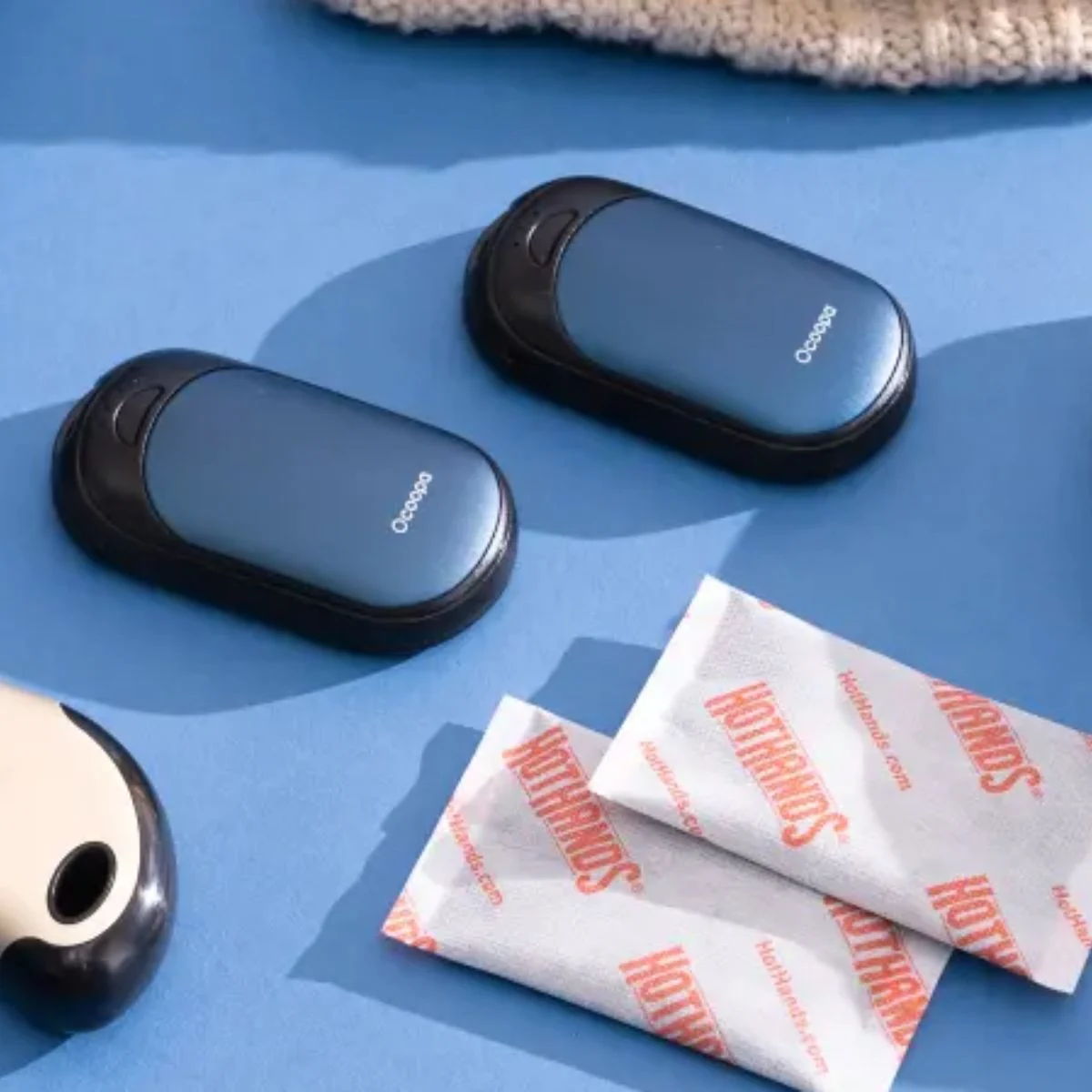
"A nationwide recall of approximately 1.5 million rechargeable hand warmers serves as a stark reminder of the potential dangers lurking in everyday consumer electronics, particularly those powered by lithium-ion batteries, with devastating consequences highlighted by a recent fatality and hundreds of injuries."
Federal regulators have issued a comprehensive recall for an estimated 1.5 million OCOOPA-branded rechargeable hand warmers, a decision prompted by a staggering 1,480 reports of the devices overheating. This alarming incident tally includes a tragic death, 15 reported fires, and a substantial 350 burn injuries. The Consumer Product Safety Commission (CPSC) announced the recall of these lithium-ion powered devices, imported by Shenzhen Street Cat Technology Co. and sold under the OCOOPA Direct brand. The most severe consequence, the death of an 83-year-old man in San Diego, occurred in February 2026, though specific circumstances surrounding the fatality have not yet been fully disclosed by the CPSC.
The sheer volume of burn injuries associated with this recall is exceptionally high for a single consumer product safety action. Typically, CPSC recalls involving lithium-ion devices are triggered by a much smaller number of reported incidents. This extensive recall follows a pattern of accumulating reports over several years, with the product remaining available for purchase until May of this year. This extended sales period means that millions of these hand warmers could be in circulation in households across the country, potentially stored in coat pockets, ski bags, glove compartments, or drawers, awaiting their next seasonal use. Given that hand warmers are primarily seasonal items, a recall issued in late July provides consumers with several months before they might next consider using the product, underscoring the urgency of checking for affected devices now.
Identifying the Recalled OCOOPA Hand Warmers
Consumers are urged to identify and cease using any OCOOPA-branded rechargeable hand warmers that fall under the recall. The affected products can be identified by seven specific model numbers: UT3053, UT3056, ZLS-118, ZLS-118S, ZLS-118D, H01, and H01(PD). These devices are characterized by their dual-sided heating capability and are often sold in pairs that can be magnetically joined. They typically feature a hard plastic shell, LED indicator lights, a USB-C charging port, and a silicone lanyard. The OCOOPA brand name is printed on the top of each hand warmer. These devices were available in a wide array of colors and designs.
The window of sale for these potentially hazardous hand warmers spans from September 2018 through May 2026. They were sold through major online retailers including Amazon.com, Walmart.com, Ocoopa.com, and Ocoopa.net. The retail price ranged between $15 and $60, making them an accessible and popular choice for consumers seeking portable warmth. The extended sales period, nearly eight years, significantly increases the likelihood of widespread ownership. The timing of the recall, towards the end of July, is strategically placed to reach consumers before the onset of colder weather, when the hand warmers would typically be brought back into use. Therefore, an immediate check for these devices is paramount to prevent potential harm.
Immediate Actions and Proper Disposal of Recalled Devices
Consumers in possession of the recalled OCOOPA hand warmers must immediately discontinue their use and refrain from charging the devices, regardless of the current season. Prompt action is crucial to mitigate any further risk.
To initiate the refund process, consumers are instructed to contact OCOOPA Direct directly via email at [email protected] or through the dedicated recall page on the company’s website. The offered remedy is a full refund, which can be provided either as an OCOOPA gift card or a refund in the original form of payment. To qualify for the refund, consumers will be required to mark the hand warmer by writing the word "RECALLED" in permanent marker on the device itself. A photograph clearly showing this marking, along with the model number and the three-digit batch code, must then be submitted to OCOOPA Direct.
A critical and often overlooked aspect of this recall pertains to the proper disposal of the devices. These hand warmers contain lithium-ion batteries, which pose a significant fire risk if not handled correctly. Under no circumstances should these devices be placed in household trash, curbside recycling bins, or standard used-battery drop-off boxes commonly found at retail stores. Damaged or defective lithium-ion cells can ignite when subjected to the crushing forces experienced in garbage trucks or recycling sorting facilities. Battery fires at waste management sites are a documented and escalating concern. Owners are strongly advised to contact their local household hazardous waste collection program for specific disposal instructions tailored to their state and municipality. Most counties offer designated collection sites or scheduled drop-off events for hazardous materials.
Until proper disposal can be arranged, consumers should store the recalled hand warmers in a safe location, away from any flammable materials. This includes keeping them out of bedrooms and away from exits. Crucially, they should not be left on a charger. In the event that a lithium-ion battery device begins to exhibit signs of distress, such as swelling, hissing, emitting smoke, or an unusual odor, individuals should immediately move away from the device and contact the fire department. Attempting to move or extinguish a malfunctioning battery pack can be extremely dangerous.
Understanding the Risks of Lithium-Ion Hand Warmer Failures
The failure mechanism underlying these overheating incidents is known as "thermal runaway." This phenomenon occurs when a lithium-ion cell, due to an internal defect, physical damage, or improper charging, begins to generate heat at an accelerating rate. If this heat generation exceeds the device’s capacity for dissipation, a self-sustaining chemical reaction is triggered. The escalating heat leads to further chemical breakdown within the battery, which in turn produces even more heat. This cycle can result in the venting of flammable gases, reaching temperatures of several hundred degrees Fahrenheit, and ultimately leading to ignition and fire.
Rechargeable hand warmers present a confluence of risk factors that exacerbate the potential for thermal runaway and subsequent injury. The very design of these devices is intended to generate heat, often directly against the skin. This makes it difficult for users to distinguish between normal, intended warmth and the initial stages of a dangerous malfunction. Because they are held in the hand or kept in close proximity to the body, a failure occurs in direct contact, explaining the high incidence of burn injuries relative to fires. Furthermore, these devices are frequently stored in enclosed spaces like bags or glove compartments, where heat can accumulate and contribute to a rise in temperature. The use of thick winter clothing can also delay a user’s perception of an overheating device, as the sensation of excessive heat may be masked.
Certain demographics are at a significantly higher risk of experiencing severe injury from these malfunctioning devices. This includes older adults, individuals with diminished sensation in their hands due to conditions such as diabetic neuropathy or Raynaud’s phenomenon, and those with limited mobility who may struggle to quickly remove an overheating device. Reduced hand sensation is a particularly concerning factor, as the population most likely to benefit from hand warmers for cold hands often overlaps with those least able to detect if a device is becoming dangerously hot.
Anyone who sustains a burn injury from one of these recalled hand warmers should follow standard burn care protocols. This involves cooling the affected area under cool, running water for a full 20 minutes. It is crucial to avoid applying ice directly to the burn or using ointments. Medical attention should be sought for any burns that result in blistering, are larger than the palm of the hand, or are located on sensitive areas such as the hands, face, or joints. Exposure to chemicals from a vented battery also warrants immediate medical evaluation.
Federal law strictly prohibits the sale or resale of recalled products. This includes listing them on resale platforms or transferring them secondhand. The CPSC strongly encourages consumers who experience any incidents with consumer products to report them through SaferProducts.gov. These reports are instrumental in identifying patterns of product failure and informing future safety actions. MedicalDaily will continue to monitor this situation and report on any further developments, including potential expansions of this recall or additional CPSC actions concerning similar devices.
Frequently Asked Questions
Which products are recalled?
The recall encompasses OCOOPA-branded rechargeable lithium-ion hand warmers identified by model numbers UT3053, UT3056, ZLS-118, ZLS-118S, ZLS-118D, H01, and H01(PD). These are typically sold in pairs that magnetically join together.
Where and when were they sold?
These recalled hand warmers were sold online through Amazon.com, Walmart.com, Ocoopa.com, and Ocoopa.net. The sales period extended from September 2018 through May 2026, with prices ranging from $15 to $60.
How many people were hurt?
The manufacturer has received 1,480 reports of overheating incidents. These reports detail 15 fires and 350 burn injuries. Tragically, these incidents include the death of an 83-year-old consumer in San Diego in February 2026.
How do I get a refund?
To receive a refund, contact OCOOPA Direct at [email protected]. You will be instructed to write the word "RECALLED" on the device using a permanent marker and submit a photograph showing this marking, along with the model number and the three-digit batch code.
Can I throw it in the trash?
No, absolutely not. Lithium-ion batteries must not be disposed of in household trash, curbside recycling, or standard retail battery drop-off boxes. Contact your local household hazardous waste program for appropriate disposal instructions specific to your area.
What are the warning signs of a failing battery?
Warning signs include swelling of the device, hissing sounds, smoke emission, an unusual odor, or a continuous rise in temperature even after the device has been switched off. If any of these signs are observed, move away from the device immediately and contact the fire department. Do not attempt to handle or move a malfunctioning battery.
Who faces the highest risk of injury?
Individuals at the highest risk of injury include those with reduced hand sensation, such as individuals with diabetic neuropathy or Raynaud’s phenomenon. Older adults and people with limited mobility who may not be able to quickly remove an overheating device also face increased risk.
