
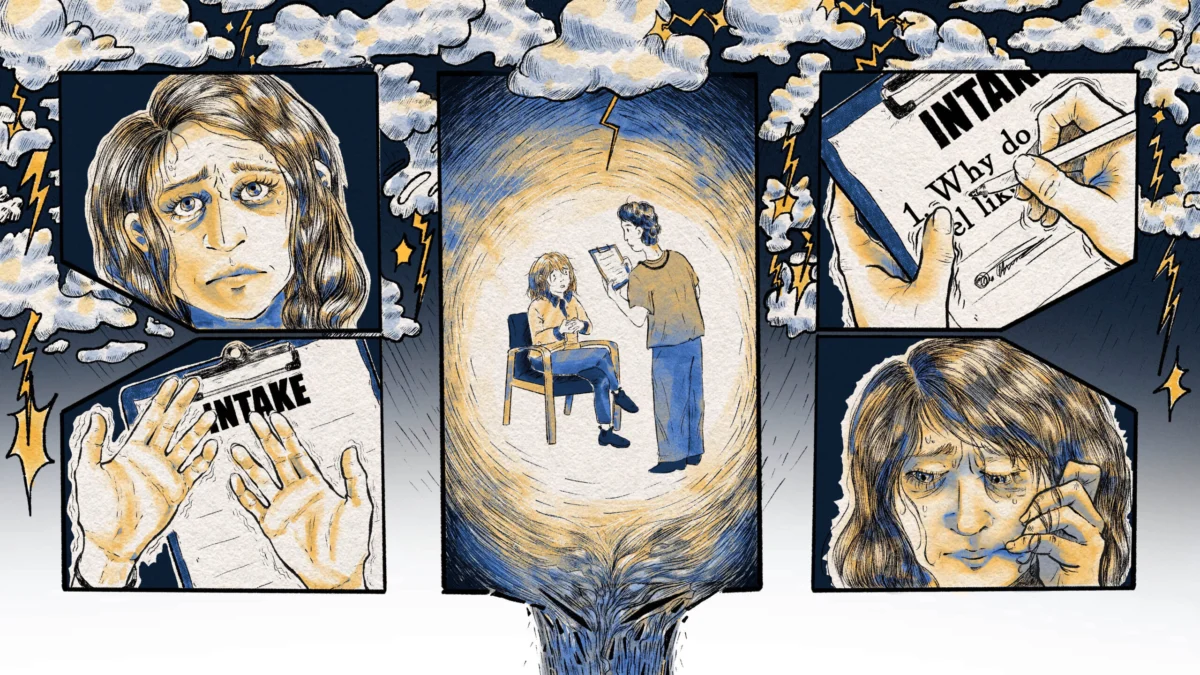
"The search for a bed became the treatment itself. This personal narrative exposes the stark reality of a severely fractured mental healthcare system where individuals in crisis often face longer waits for care than for the crisis to pass."
Eight days before her 33rd birthday, the author found herself at a crisis clinic near Denver, involuntarily placed on a 72-hour mental health hold. What followed was not immediate treatment, but an arduous search for an inpatient psychiatric bed. Clinic staff, facing a regional shortage, contacted multiple hospitals with psychiatric units, only to be met with unavailability. Consequently, the author spent the night in a recliner at the clinic, a 24/7 facility, grappling with disassociation and fragmented sleep. This experience serves as a poignant, real-world illustration of a systemic crisis that has been decades in the making, impacting millions and leaving many without the critical care they desperately need.
The United States has witnessed a dramatic and persistent decline in the availability of inpatient psychiatric beds since the mid-20th century. This trend, driven by factors including deinstitutionalization and the advent of antipsychotic medications, has resulted in a critical shortage for individuals requiring acute mental health care. A 2025 study revealed a significant drop in the number of hospitals offering inpatient psychiatric units between 2011 and 2023. Compounding this issue, another study from the same year indicated that the U.S. possesses only 28.4 inpatient psychiatric beds per 100,000 people, falling far short of the 60-bed ratio frequently cited by researchers as an optimal benchmark for adequate care. This scarcity has led the American Psychiatric Association to declare a crisis, characterized by overburdened emergency rooms, premature shortening of inpatient stays to accelerate bed turnover, and a distressing lack of critical care for the acutely ill.

The author’s personal journey into this fractured system was preceded by profound loss. Years before her own crisis, she witnessed the devastating consequences of inadequate mental healthcare through her wife, who died by suicide after their separation. This personal tragedy, marked by her wife’s struggles with waitlists, overburdened outpatient programs, and the scarcity of inpatient psychiatric care, left the author with an intimate understanding of the system’s failings, even before she became a patient herself. The lingering grief and anxiety eventually propelled her from observer to participant in the very system she had long scrutinized.
Waking up disoriented and groggy the morning after her hold began, the author found herself in the clinic’s bathroom, the door designed to swing both ways for staff access in emergencies. Staring at the running faucet, the fragmented reality of her situation began to coalesce. This experience underscores the vulnerability of individuals in acute mental distress and the often dehumanizing circumstances they face while navigating a system designed to help but frequently failing to deliver.
America’s approach to treating mental illness is deeply rooted in a complex and often painful history. In the 19th and 20th centuries, a movement away from housing individuals with severe mental disorders in jails and poorhouses – notoriously squalid facilities for the impoverished – led to the establishment of state asylums. These institutions initially promised "moral treatment," a humane approach to care, but often devolved into overcrowded and under-resourced hospitals for the poor. Between the 1860s and the 1930s, the number of psychiatric hospitals surged, and by 1955, the nation reached its peak with over half a million psychiatric beds.
However, this landscape began to shift dramatically. The development of antipsychotic medications, a growing recognition of the inhumane conditions in some institutions, and President John F. Kennedy’s 1963 Community Mental Health Act, which aimed to deinstitutionalize thousands of Americans, led to the closure of many state hospitals. This period of reform, while well-intentioned, resulted in a significant reduction of inpatient psychiatric beds. An estimated 61,000 inpatient psychiatric beds for children and adults were lost in a country where over 14 million individuals experience severe mental illness annually.
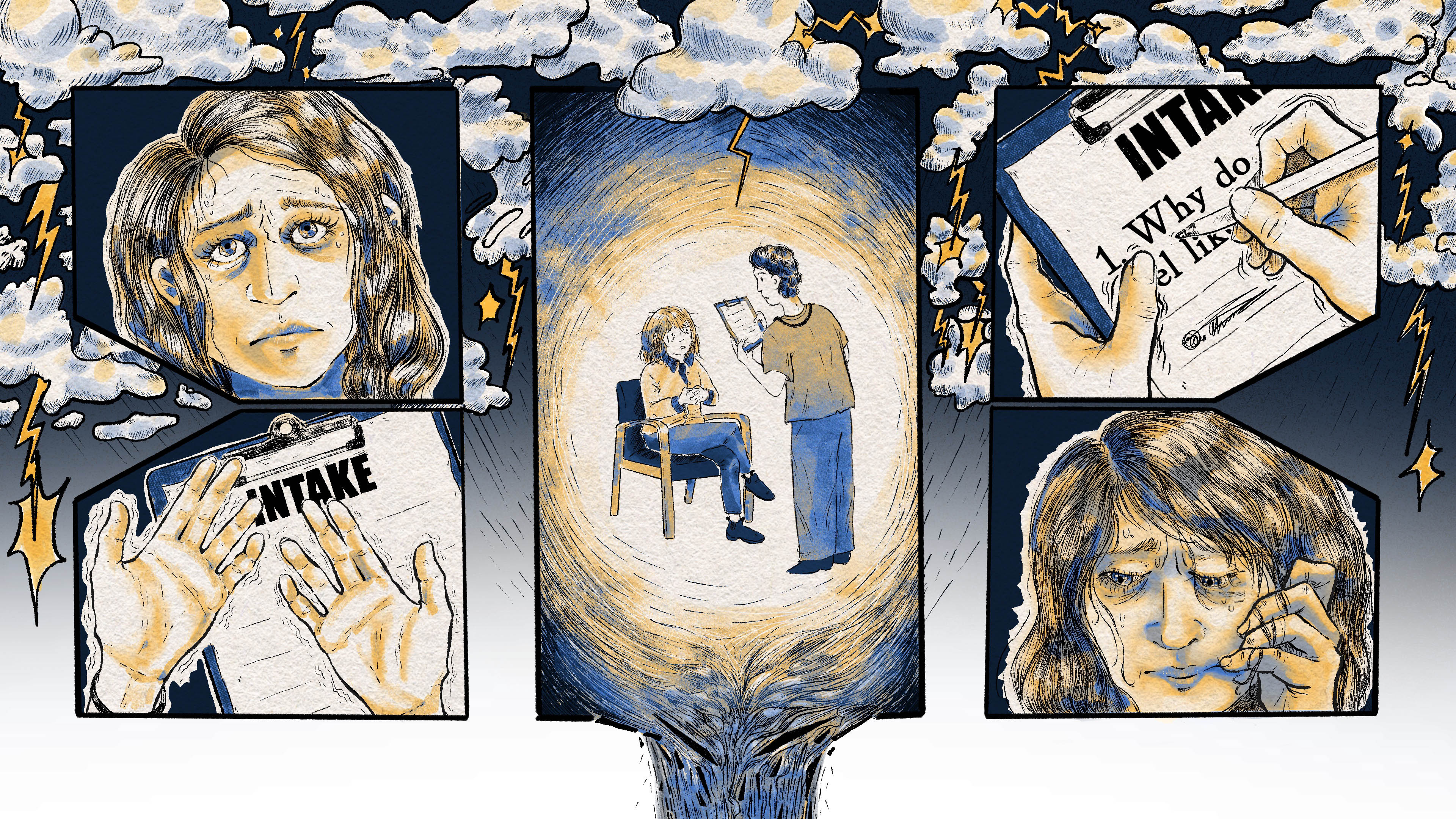
Further complicating matters, a policy enacted two years after JFK’s legislation prohibited federal Medicaid funds from covering inpatient psychiatric care in facilities with more than 16 beds. The stated objective was to encourage states to transition patients from large, often substandard institutions to community-based care. While the goal was to foster more integrated and community-focused mental health services, the unintended consequences have been profound.
Individuals with severe mental illnesses are now frequently found "boarding" in emergency departments, awaiting an available psychiatric bed. Research by the Treatment Advocacy Center, an organization dedicated to eliminating barriers to severe mental illness treatment, indicates that the length of stay in state psychiatric hospitals is shrinking while readmission rates are concurrently rising. Alarmingly, some individuals with mental illness languish in jail for extended periods, sometimes months or even years, due to the lack of appropriate care.
The escalating behavioral health crisis between 1986 and 2014 saw mental health expenditures in the U.S. skyrocket from $32 billion to $186 billion. Despite this increased spending, the proportion allocated to inpatient care paradoxically decreased, falling from 42% to 27%. This period also marked significant policy shifts that impacted inpatient hospitalization rates, most notably the 1999 U.S. Supreme Court decision in Olmstead v. L.C. This ruling mandated that states provide home and community-based services to individuals with developmental and mental disabilities, further shifting the focus away from psychiatric facilities. Leslie Carpenter, legislative advocacy manager at the Treatment Advocacy Center, aptly summarized this complex historical trajectory: "The road to hell is paved with good intentions. A lot of these bills, including the Community Mental Health Act, were really well intended and ended up with adverse consequences."
For the author, the passage of time at the crisis clinic was a disorienting blur. A new staff member informed her that the search for an available bed was ongoing, highlighting the persistent challenge of bed scarcity. This prolonged waiting period, while awaiting necessary treatment, itself becomes a form of psychological distress and a testament to the system’s inefficiencies.
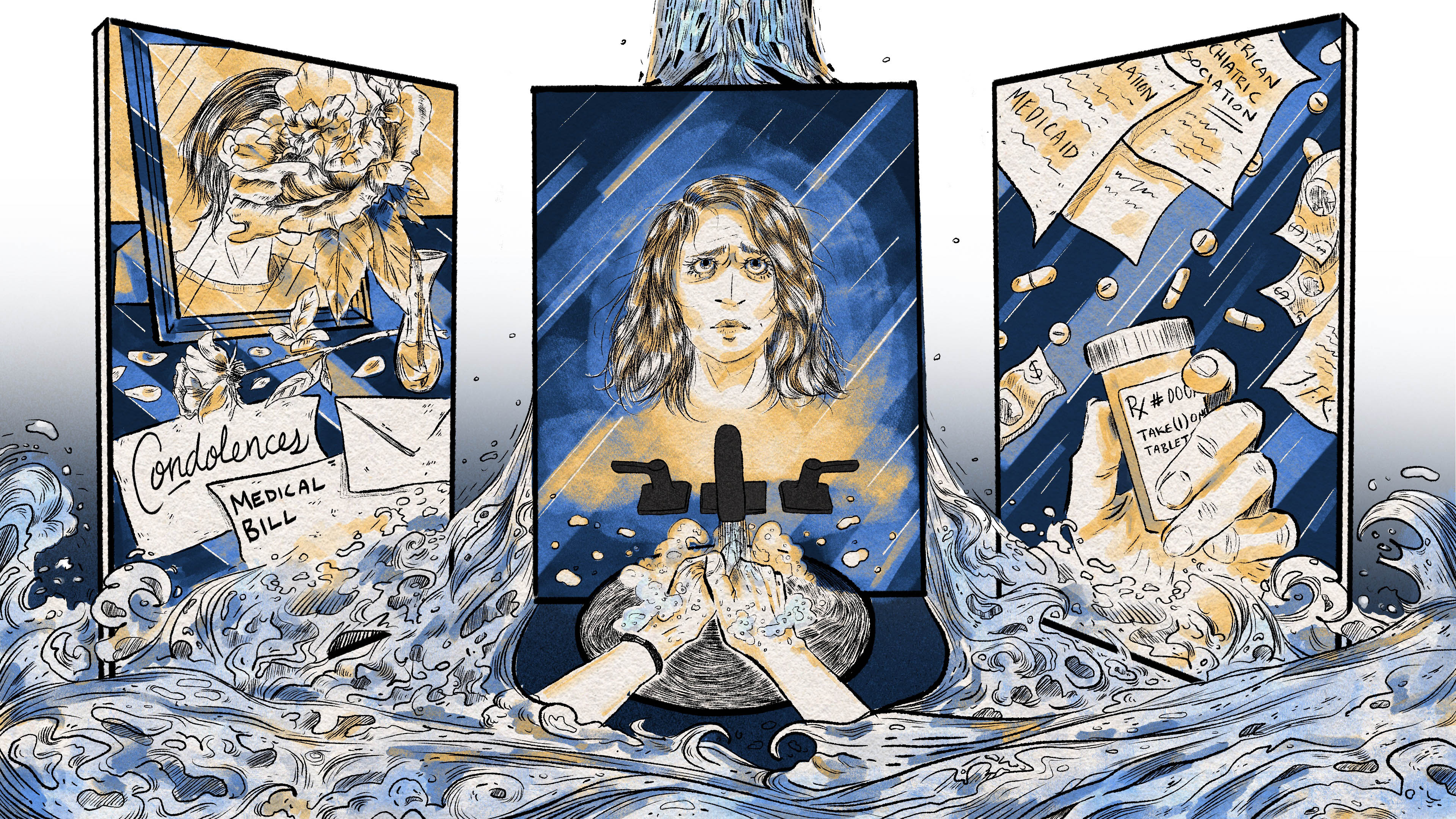
The financial implications of addressing the psychiatric bed shortage are substantial. In the previous year, members of Congress introduced two bills aimed at amending the 16-bed Medicaid funding cap for inpatient psychiatric facilities: the "Repealing the Institution for Mental Diseases Exclusion Act" and the "Michelle Alyssa Go Act," which proposed increasing the cap to 36 beds. Both legislative efforts have stalled in the House. According to the Congressional Budget Office, eliminating the 16-bed limit would incur an estimated $33.5 billion in increased Medicaid expenditures between 2024 and 2033. "No one wants to pay for any of this care that people need," stated Colorado state Sen. Judy Amabile, a Democrat whose son has schizoaffective disorder, illustrating the financial and political hurdles.
In the absence of federal action, states are actively seeking innovative solutions to bridge the care gap. Colorado, along with 15 other states and Washington, D.C., now operate under waivers that permit Medicaid to fund inpatient facilities with more than 16 beds for mental health treatment. KFF data indicates that seven additional states have pending waiver requests. A 2025 study suggests these waivers may correlate with reduced hospitalizations, emergency department visits, and incarcerations among adults with serious mental illness.
However, even localized efforts to expand mental healthcare infrastructure face significant opposition. In states like California, Colorado, Iowa, Missouri, Nebraska, and New York, community members have voiced concerns against proposed psychiatric facilities for minors, citing fears of diminished safety and declining property values. Behavioral health advocates have contested these claims, attributing them to deeply ingrained stigma surrounding mental illness. Despite such local resistance, a proposed psychiatric facility in Colorado was ultimately approved, signaling a partial victory for advocates.
The availability of inpatient psychiatric beds varies significantly across the nation. According to 2022 data collected by the Treatment Advocacy Center, Colorado ranks 24th nationwide with nearly 20 inpatient beds per 100,000 people. Wyoming leads the nation with 47.3 beds per 100,000 residents, though its small population means a total of only 275 beds, compared to California’s 5,703. Minnesota ranks last, with a meager 4.3 inpatient beds per 100,000 residents.
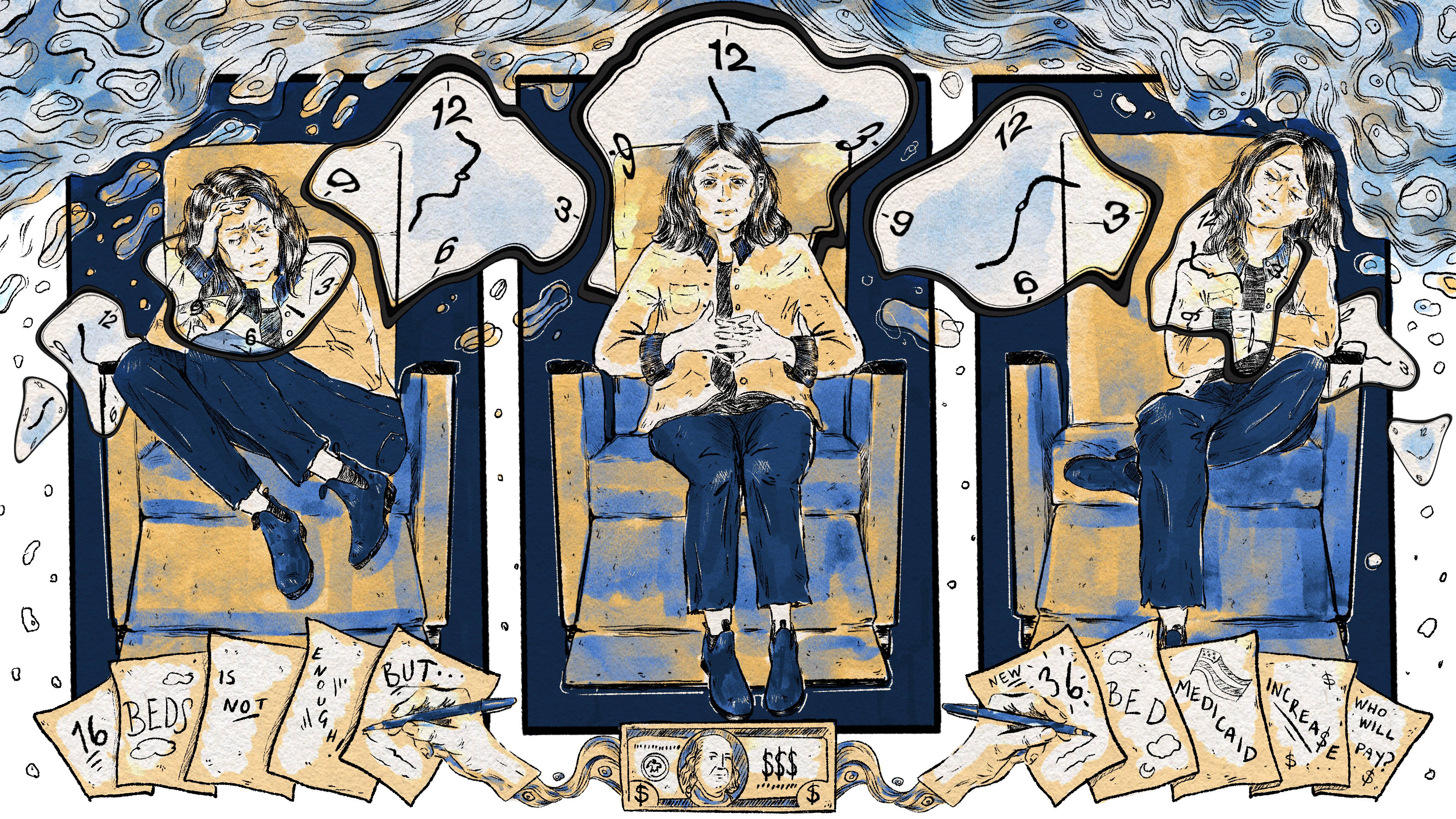
While advocating for an increase in inpatient psychiatric beds is crucial, mental health advocates also emphasize the need for enhanced community-based supports. These include peer support specialists and "clubhouses" – community centers where individuals with serious mental illnesses can acquire life skills, find social connections, and receive ongoing support.
The author’s personal experience concluded with a fortunate, albeit rare, outcome. At noon on the day following her involuntary hold, a bed became available at a Denver hospital – a stark contrast to the days or weeks many individuals wait for essential care. Transferred by ambulance at 3 p.m., marking 21 hours into her 72-hour hold, she had secured a place in a system where such luck is a significant factor in receiving timely treatment.
Two days later, on her final day at the psychiatric hospital, while awaiting discharge papers, she encountered another patient. He asked if she was leaving, and upon her affirmative response, inquired if she was being admitted. His reply, "Yeah, this is my third time being hospitalized in a year," was a somber reminder of the cyclical nature of the crisis and the ongoing struggle many face. With a handshake and a simple "Good luck," the author walked out the door, leaving behind a system that, despite its flaws, had provided her with a critical, albeit temporary, reprieve. Her experience highlights the urgent need for systemic reform to ensure that individuals in mental health crisis receive consistent, accessible, and effective care, rather than facing a prolonged and often debilitating search for it.
