
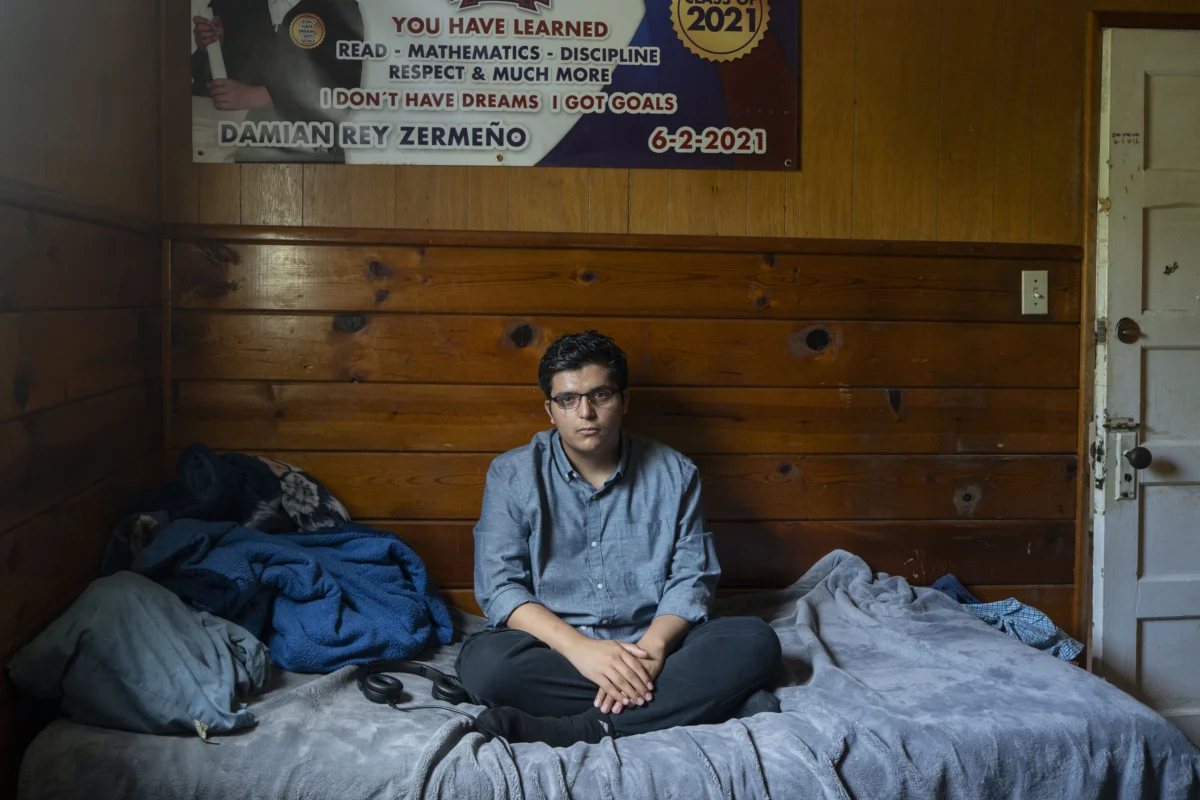
"Suddenly, a 15-year-old U.S. citizen found himself separated from his sole caregiver by thousands of miles and a heavily guarded border, a stark illustration of the profound mental and emotional toll of U.S. deportation policies on children."
The deportation of a parent can plunge a child’s life into fear and uncertainty, with potentially lifelong consequences for their mental and physical health. This article explores the devastating impact of such separations, highlighting the experiences of children and families affected by immigration enforcement, and underscoring the growing body of evidence detailing the adverse health outcomes associated with parental loss.
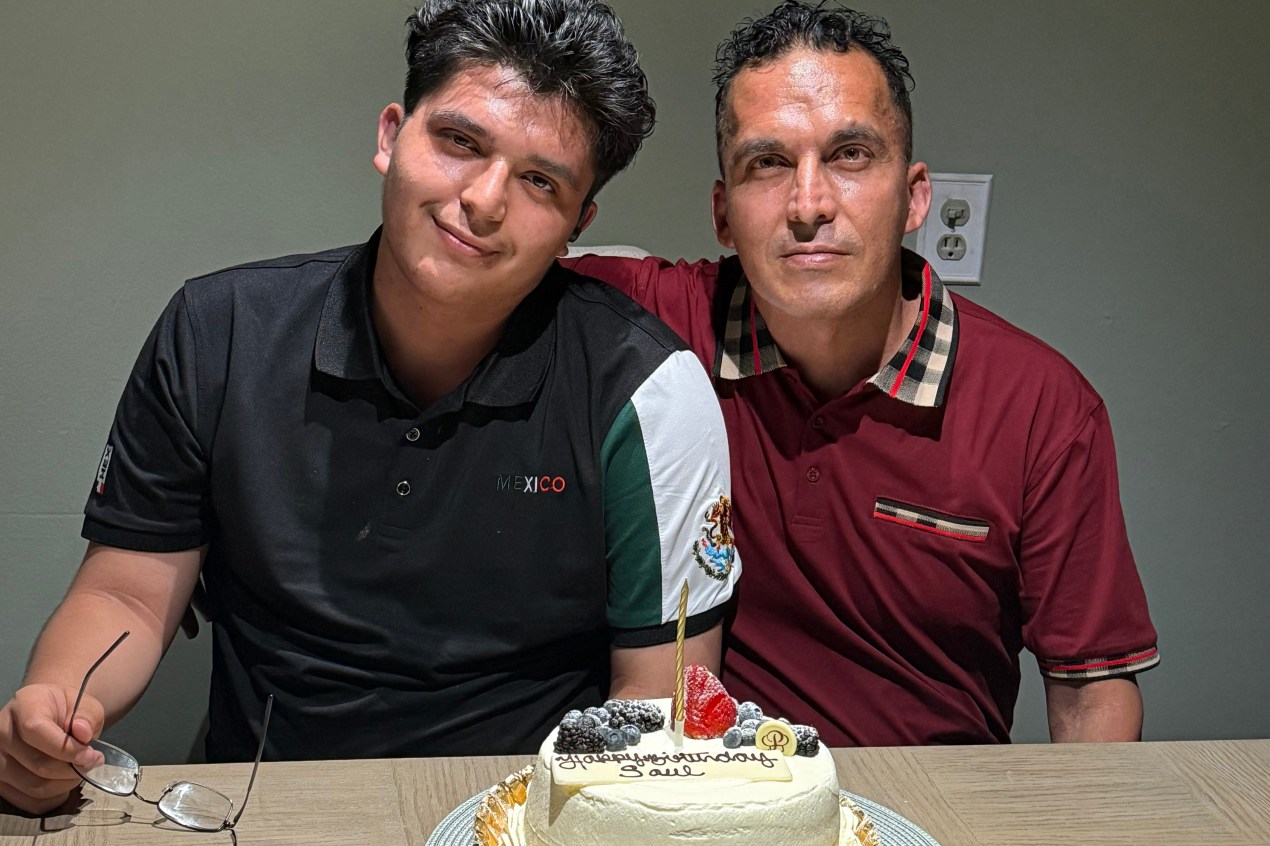
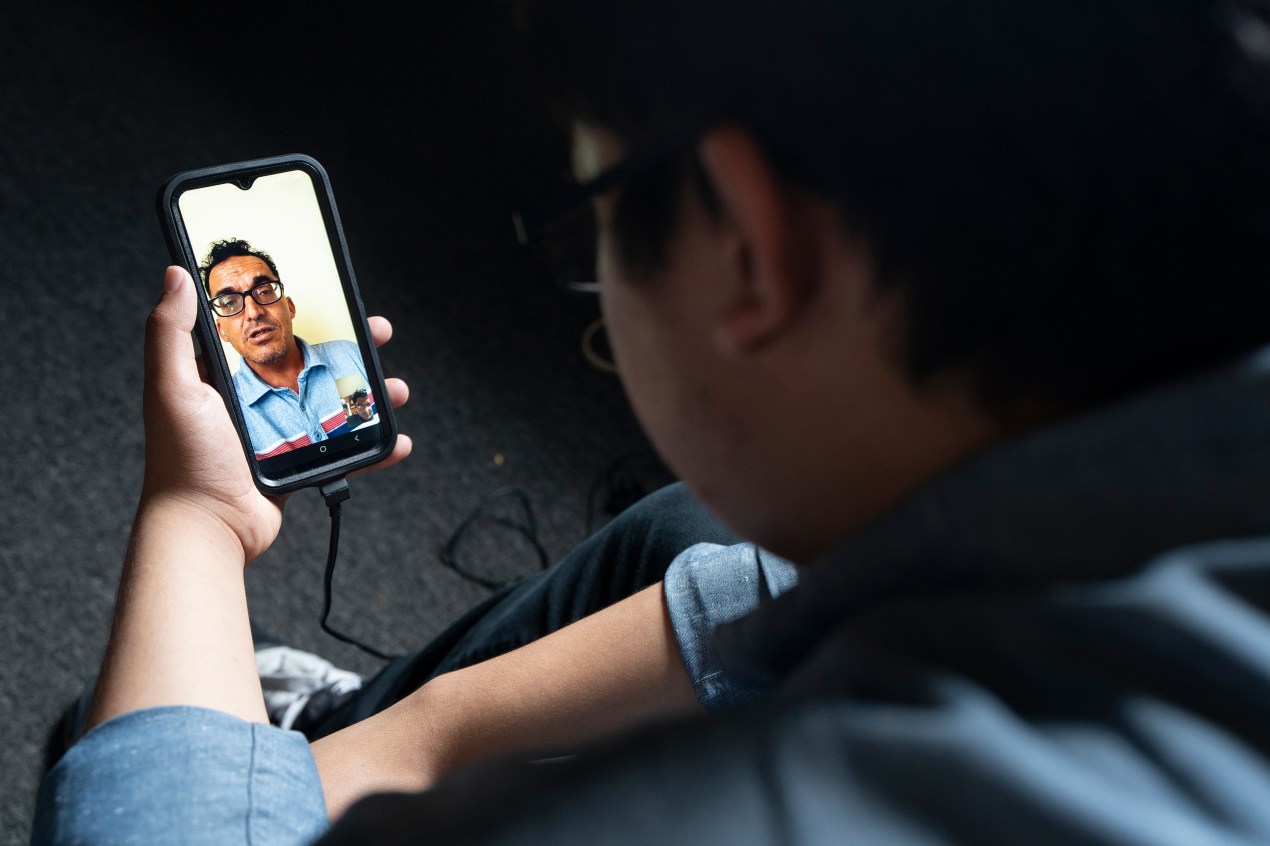
When 15-year-old Damian Zermeño returned home from school on October 3rd, he sensed an immediate shift in the atmosphere. His aunt sat at the dining table, her face etched with sorrow, sobbing. His father, Saúl Zermeño, a 45-year-old single parent who had walked him to the bus stop that morning with promises of dinner, was nowhere to be found. This sudden absence marked the beginning of a profound disruption in Damian’s life. Saúl Zermeño, who had been a consistent presence and sole caregiver since Damian’s infancy due to his mother’s absence, had attended a routine check-in appointment with Immigration and Customs Enforcement (ICE). Despite having deferred action that allowed him to reside and work in the United States for years, he was deported to Mexico that day, a country he had not lived in since he was nine years old. Damian, a U.S. citizen born in Los Angeles, was now separated from his father by a vast geographical distance and a formidable border. The previously cheerful 10th grader, who lacked a driver’s license and possessed only basic cooking skills, was suddenly thrust into navigating his teenage years without his primary caregiver, his father’s presence reduced to a digital image on his phone. "I thought it wasn’t true," Damian recalled, his voice heavy with the memory of that day. "I just went to my room. I didn’t want to leave. I didn’t even want to eat."
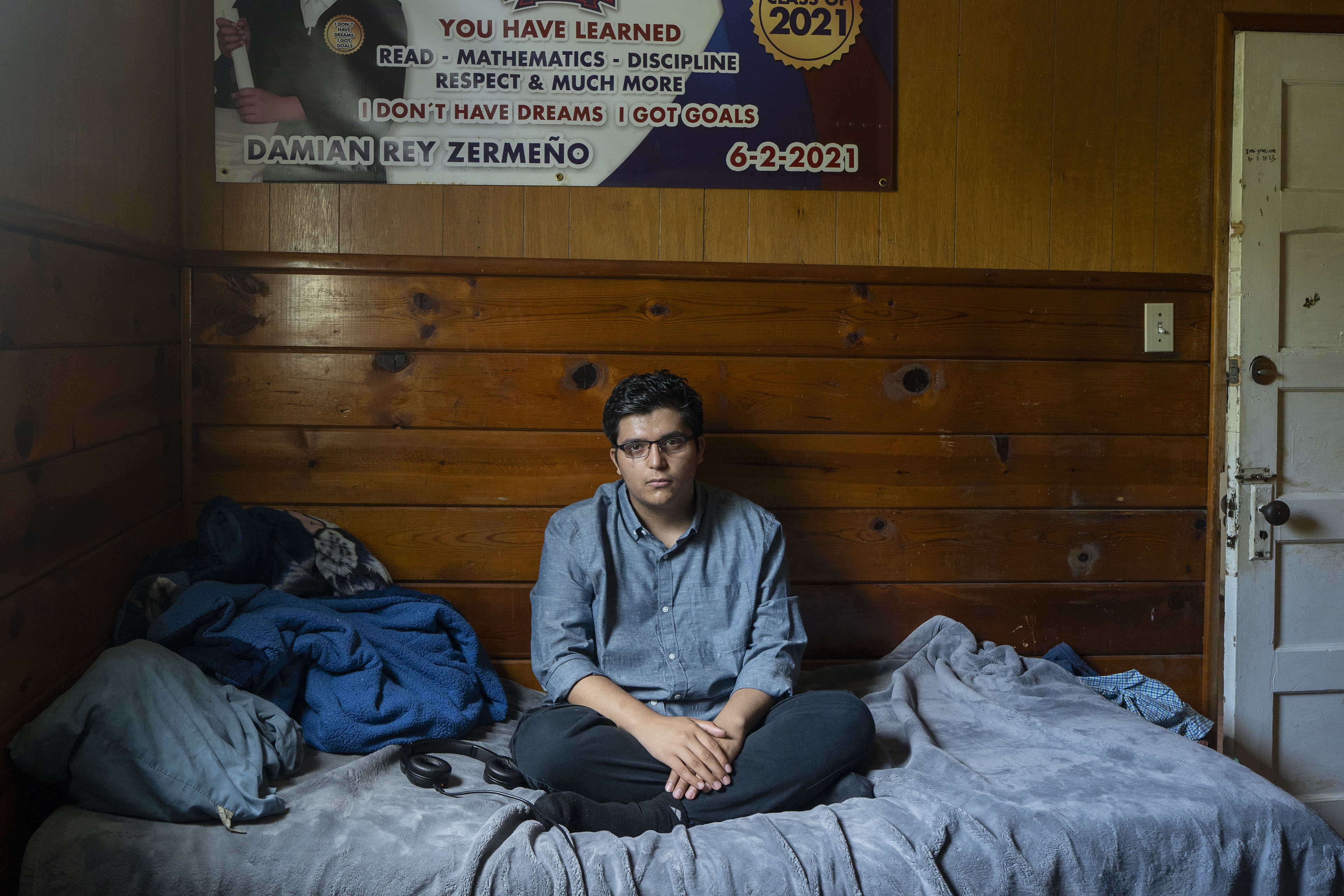
Damian’s experience is not isolated. He is one of an estimated hundreds of thousands of children, a significant majority of whom are U.S. citizens, who have been separated from a parent due to the immigration enforcement policies of the Trump administration. Parents have been deported or detained for months in facilities often located far from their families, leading to separations that are sometimes described as violent. These detentions have occurred in various contexts, including while parents were dropping off children at school, within their own homes, or during immigration check-ins, sometimes with their children present. Crucially, a substantial portion of individuals detained by ICE have no criminal convictions; their presence in the U.S. without authorization is typically classified as a civil offense. The absence of a parent, particularly a primary caregiver, precipitates a cascade of fear and uncertainty into the lives of these children, creating a generation grappling with the psychological fallout.
The long-term ramifications of these separations are manifesting as significant mental health challenges that could affect children for years to come. Therapists, parents, and professionals working with immigrant families report encountering a range of issues, from preschoolers experiencing speech delays to elementary school children expressing suicidal ideations and teenagers suffering from debilitating anxiety that prevents them from leaving their homes. Extensive research consistently demonstrates that separating children from their parents is detrimental to their health and development. The intense stress induced by the loss of a primary caregiver can disrupt a child’s brain and body, elevating their risk for a spectrum of mental and physical health problems. These include depression, anxiety, post-traumatic stress disorder (PTSD), a compromised immune system, and developmental delays. Reverend Tanya Lopez, a pastor at Downey Memorial Christian Church who supports immigrant families through a Los Angeles-area religious leader’s organization, observed, "You can just see it in their faces; it’s almost like the light has been dimmed in their eyes." The health risks associated with this chronic stress response are not transient. Individuals who experience parental separation and other traumatic events during childhood are at a higher risk for developing chronic conditions such as heart disease, diabetes, and cancer in adulthood.
In response to these concerns, the Department of Homeland Security has stated that ICE does not intentionally separate families and that parents are typically asked about their wishes regarding removal with their children or the designation of a safe guardian in the U.S. However, reports from organizations like the Women’s Refugee Commission and Physicians for Human Rights indicate that this choice is often not genuinely afforded to parents. These investigations suggest that ICE frequently fails to inquire about detainees’ children or to take adequate measures to ensure the safety of those left behind. Saúl Zermeño’s experience supports these findings, as he reported that ICE officers did not ask about his son or assess Damian’s well-being prior to his deportation.
The immediate aftermath of Saúl Zermeño’s deportation was deeply distressing for Damian. For several days, he remained confined to his room, refusing to eat or attend school, and isolating himself from friends. His engagement with activities he once enjoyed, such as playing the video game Fears To Fathom, ceased. Upon his return to school a week later, he would frequently cry in class or leave overwhelmed by sadness. Even his favorite subject, English, lost its appeal. Damian and his father shared an exceptionally close bond, often described as inseparable. Saúl Zermeño was instrumental in managing Damian’s health conditions, which include attention-deficit/hyperactivity disorder (ADHD) and autism, attending his medical appointments, preparing his meals, and attending to his personal care, such as styling his hair. Their routines included regular outings to Damian’s favorite Thai restaurant or for boba drinks after school. Beyond their playful interactions and pranks, Saúl instilled in Damian a sense of responsibility by involving him in construction jobs and trips to Home Depot for supplies. Damian once found his father’s motivational talks about responsibility to be irksome, but now he cherishes them as something he deeply misses. "I thank my dad every day for teaching me to be strong before he left," Damian stated.
Elsewhere in Los Angeles, nine-year-old Jacob, a shy boy with cropped curly hair and a serious demeanor, was experiencing his own profound sense of loss. One Saturday in May, he clung to his father’s hand as they navigated the streets of their neighborhood, a stark environment marked by the presence of homeless individuals, street vendors, and the pervasive odor of urine emanating from their cramped apartment building. Jacob expressed a simple, yet deeply felt, desire: "If my mom was here, I’d be happy. Right now, I’m not." Jacob, in many respects, is a typical nine-year-old, enjoying games like Roblox and Street Fighter, and aspiring to become a police officer with a guard dog for protection. However, his life has been marked by harrowing experiences even before his separation from his mother in January. His family had fled Colombia in 2024 due to threats from a paramilitary group. Their journey to the United States was fraught with peril; Jacob witnessed dead bodies in the jungle, endured a kidnapping and armed robbery with his parents, observed a rape, and was forced to sell candy and beg for money. For safety and privacy reasons, KFF Health News is withholding the family’s real names as they fear it could jeopardize their asylum cases.
Upon their arrival in Los Angeles, Jacob began suffering from nightmares and an intense fear of being alone. His father, Andreis, reported that Jacob started to recover after enrolling in school and receiving therapy through the school district, bringing a period of perceived peace for the family. This fragile stability was shattered when Jacob’s mother was detained at a routine check-in appointment, while Jacob and Andreis waited in the adjacent room. Andreis stated that his wife has a pending asylum application and no criminal record. The father recounted that both he and Jacob were overcome with emotion upon being informed of her detention, receiving a bag containing her wallet and cellphone. They returned home without her, leaving Jacob inconsolable. "He was terrified," Andreis said, his voice trembling as he described his son’s reaction, "He was crying with rage."
Following his mother’s detention, Jacob experienced a significant decline in his well-being. He lost his appetite, refused to attend school, and when he did, his teacher reported him crying in class. He suffered from sleeplessness and exhibited behavioral issues, often blaming his father. "When will my mom come back?" he would ask his dad, his voice filled with anguish. "Why do they have my mom? I miss my mom." Concurrently, Andreis was navigating his own crisis, attempting to comfort his son while wrestling with grief, anxiety, and despair over his wife’s situation. He suspended his work as a laborer for two weeks to care for Jacob, a decision that brought financial strain and, at times, prevented him from funding his wife’s commissary account, which limited her access to better food and essential phone calls. Jacob deeply missed his mother’s cooking, their park outings, her taking him for haircuts and to McDonald’s on weekends, and attending church together. Most profoundly, he missed their physical closeness. "I would lie down with her, and I’d watch videos with her," he recalled, his voice soft. "My mom would hug me and I’d hug her." In an attempt to feel her presence, he sometimes sprayed her perfume on himself.
After nearly five months at the Adelanto ICE Processing Center, Jacob’s mother was released in May following a habeas corpus petition. Despite this release, the family continues to live under the constant threat of detention or deportation. Andreis worries about his own potential detention and the implications for Jacob. He is currently appealing a removal order that affects both him and his son. A recent analysis by the Brookings Institution estimates that over 200,000 children, including 145,000 U.S. citizen children, have had at least one parent detained since President Trump’s return to office. Approximately one-third of these children are under the age of six. This number is projected to increase as the federal government allocates substantial funding towards immigration enforcement, including significant appropriations. The report further indicates that more than 4.6 million U.S. citizen children live with a parent at risk of deportation.
Families Broken
The emotional devastation of parental separation is vividly illustrated by the experience of Noemi, a Guatemalan mother and asylum seeker. Standing in the parking lot outside an ICE office north of Los Angeles, she witnessed her partner being forcibly removed from their car by immigration agents, who smashed a window. Their three young children, aged 9, 7, and 1, were wailing and clinging to Noemi inside the vehicle. While officers attempted to separate Noemi from her children during their check-in appointment, the children’s screams deterred them. Meanwhile, her partner, a Mexican national who had resided in the U.S. for nearly two decades, was sent to the ICE detention center in Adelanto. "It was something tragic, something inexplicable that happened that day," Noemi recounted, her voice strained. "It’s something that marks you for your whole life. My family was broken." The Adelanto ICE Processing Center, a privately run facility in the Mojave Desert, is one of the largest immigration detention centers in the U.S. and serves as the closest to Los Angeles. As of April, it held an average of over 1,700 individuals daily, with a neighboring facility, the Desert View Annex, holding an additional 426.
Since her partner’s detention in December, Noemi’s children have exhibited significant behavioral changes. Her typically cheerful 7-year-old daughter became withdrawn and depressed, refusing to eat. Her academic performance declined sharply, and she began forgetting basic knowledge like letters and numbers in both English and Spanish. Both she and her 9-year-old brother struggled with sleep and constantly inquired about their father, questioning if his detention was a consequence of their own wrongdoing. "Why is this happening to us?" they would ask her. "We’re good. We’re studying." Noemi’s youngest daughter, who had already learned to walk, regressed to crawling for three months, crying out for "Pa! Pa!" in her sleep.
Sofia Mendoza, a therapist specializing in immigrant families at a community clinic in Los Angeles County, explains that separated children often experience a unique form of grief. The ongoing existence of the parent, yet their physical absence, makes it difficult for children to achieve closure, potentially disrupting their bond with the absent parent and their capacity to form secure relationships in the future. Many children develop intense anxiety, anger, and fear. Younger children may present with physical symptoms like stomachaches, separation anxiety, and behavioral regressions such as bed-wetting. Older children might experience panic attacks, nightmares, and difficulties with concentration. The loss of a caregiver is also associated with an increased risk of suicidal ideation and substance use among children. Norma Gómez, a project manager for the Mixteco Indigena Community Organizing Project in Oxnard, shared an instance where, following immigration raids in her community, her 9-year-old daughter refused to attend school for a week and exhibited extreme clinginess, fearing separation from her parents, despite their legal residency status. Having witnessed classmates crying over detained family members, the child requested copies of her parents’ residency documents, hoping they would offer similar protection to her classmates.
"Time To Be an Adult"
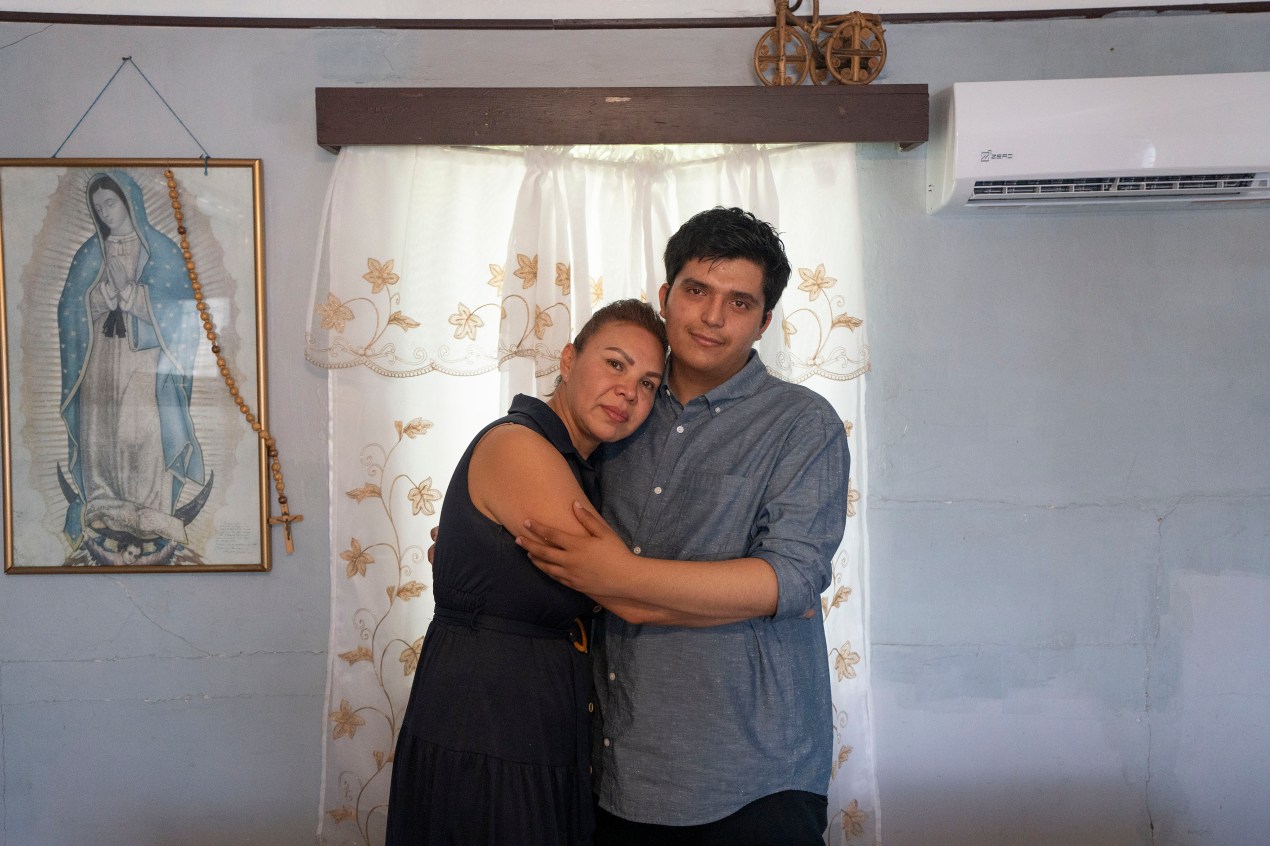
Back in East Los Angeles, Damian continues to reside with his aunt, grappling with the profound absence of his father. His academic performance has suffered due to an inability to focus in school, and he has lost interest in activities he once enjoyed with his father, such as dining out. "Fun is over," he stated, his young voice reflecting a premature sense of responsibility. "It’s time to be an adult right now." This forced maturation has led Damian to take on more independence. He now handles his own laundry, contributes to household chores, and styles his own hair. He has also become a source of comfort for his aunts, who are deeply affected by their brother’s absence. He frequently embraces them and uses humor to uplift their spirits, consciously withholding his own sadness to avoid causing them further distress.
Damian is receiving therapy both in and outside of school. While he has found some relief through learned breathing exercises, he continues to experience persistent sadness, worry, and occasional anger. "I try my hardest to think, to stay focused," he explained. "But with everything that’s going on, I can’t keep the facade of ‘everything’s normal’ when I feel heartbroken." Saúl Zermeño, now living in Guadalajara, Mexico, expresses deep concern for his son’s health. Damian has neurofibromatosis Type 1, a genetic condition that can cause tumors to grow on nerve tissue, including one in his head that requires regular medical monitoring to prevent potential brain interference. He also suffers from epilepsy and was born with a single kidney, which limits his physical stamina and ability to participate in sports. Saúl fears Damian may not receive the necessary medical care without his direct involvement. Although Damian’s aunt, Claudia Zermeño, has assumed legal guardianship and is diligently caring for him, she is also managing her own two children and her mother, who has neurological issues stemming from a stroke.
Damian maintains regular contact with his father via video calls, cherishing these conversations. He harbors a desire to visit his father in Mexico, but he lacks a passport, and as a minor under 16, obtaining one without his father’s presence presents additional complexities. Saúl is actively working with an attorney to explore the possibility of legally returning to the U.S., though the process is intricate and uncertain. For the present, Damian is holding onto the hope of his father’s return and striving to embody the qualities he believes his father instilled in him. He is preparing to obtain his driver’s license upon turning 16 this month. His aspirations have shifted from attending college to entering the workforce immediately after high school, with the aim of supporting his aunts and sending financial assistance to his father. His tears are now reserved for moments of solitude in his room.
